How to Rank Higher on Google in 2026: A Clear Step by Step Guide to SEO Success
“Focus on the user and all else will follow.” This principle, stated by Google cofounder Larry Page, still defines how websites succeed in search rankings. Google’s algorithms have evolved dramatically, but the core idea remains the same. Websites that deliver clear value, strong structure and reliable information are the ones that appear higher in search results.
In 2026, ranking on Google is no longer about shortcuts or tricks. It is about building a technically sound website, understanding your audience and consistently optimizing content. The following step by step guide explains the most reliable and proven ways to improve your visibility on Google and why working with an experienced professional can make the process far more effective.
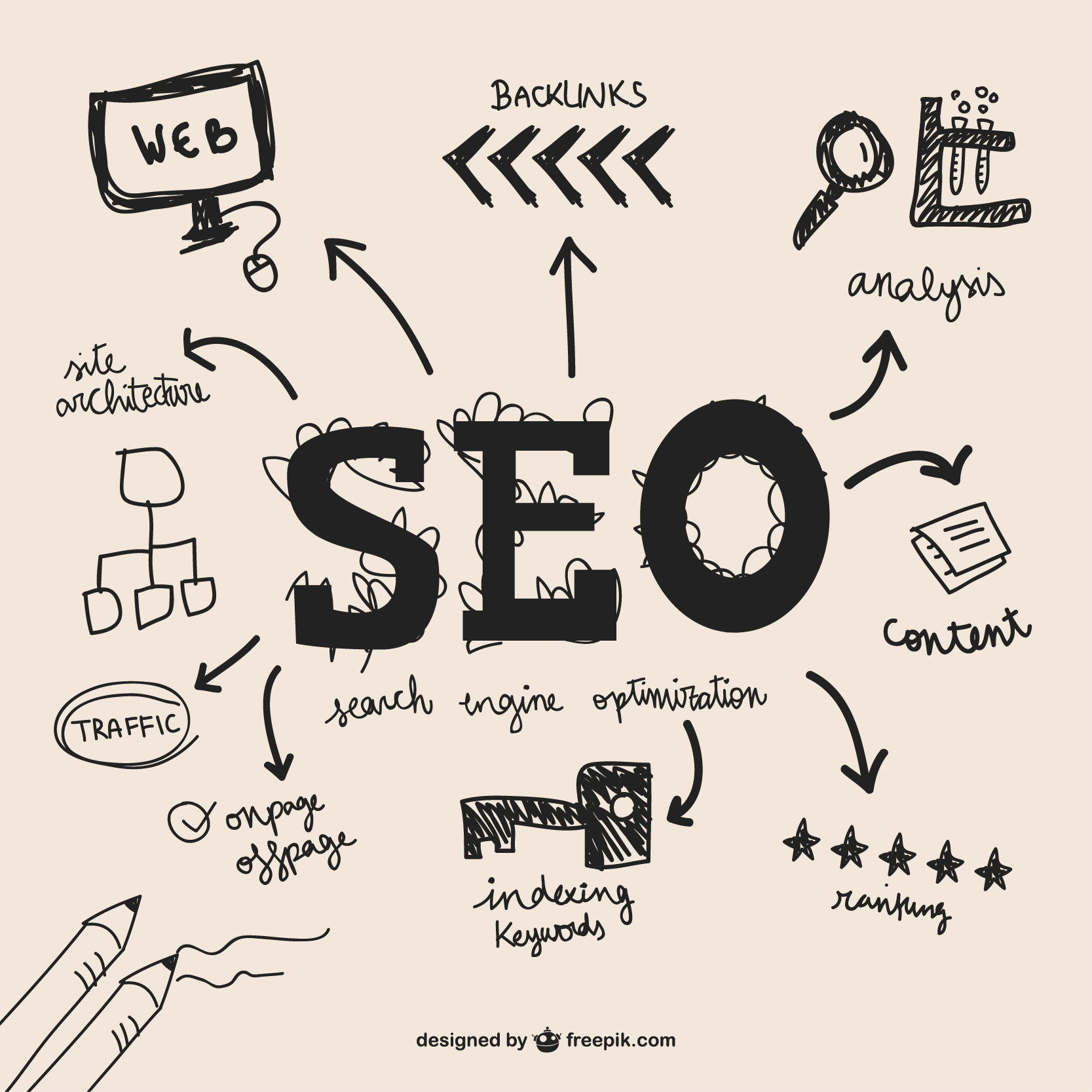
Understanding Your Target Audience
Before optimizing a website, it is essential to understand who the website is meant to reach. Search engines try to match user intent with the most relevant content. If a business does not clearly define its target audience, it becomes difficult to create pages that answer real search queries.
Start by identifying the type of customer you want to attract. Consider their problems, the services they need and the words they are likely to type into search engines. A small business offering website design services, for example, may target searches such as web design agency, ecommerce website design or website redesign services.
When the target audience is clearly defined, every page on the site can be written with that user in mind. This alignment between search intent and content is one of the strongest signals that helps Google determine rankings.
Researching the Right Keywords
Keyword research remains one of the most important steps in search engine optimization. Keywords are the phrases people use when searching online, and choosing the right ones determines whether a website can attract meaningful traffic.
Professional SEO specialists use research tools such as Semrush, Ahrefs and Google Keyword Planner to identify keywords with strong search volume and realistic competition levels. For example, high volume keywords like web design and website design generate large traffic but can be competitive. Long tail keywords such as responsive web design for ecommerce or best CMS for SEO often bring more targeted visitors.
The goal is to identify keywords that reflect real search behavior while matching the services or content offered on the website. Once selected, these keywords should appear naturally in page titles, headings and written content.
Setting Up Google Search Console
One of the first technical steps in any SEO strategy is registering the website with Google Search Console. This free tool from Google allows website owners to monitor how their site appears in search results.
After creating an account and verifying ownership of the domain, the website can begin sending data to Google. Search Console shows which keywords are generating impressions, how often users click on pages and whether there are technical issues affecting visibility.
Search Console also alerts website owners to indexing problems, security concerns or mobile usability issues. Monitoring this data regularly helps identify opportunities to improve search performance.
Submitting a Sitemap
A sitemap is a file that lists all the important pages of a website. Submitting a sitemap helps search engines discover and understand the structure of a site.
Most modern CMS platforms automatically generate a sitemap, which can then be submitted through Google Search Console. This step ensures that search engines can crawl new pages quickly and recognize updates.
Although Google can find pages without a sitemap, providing one makes the process faster and more reliable. For larger websites or ecommerce platforms, a properly structured sitemap is essential for efficient indexing.
Optimizing Website Structure
Search engines rely on clear site architecture to understand how content is organized. A well structured website makes it easier for both users and search engines to navigate pages.
Important pages should be reachable within a few clicks from the homepage. Categories should group related content logically, and internal links should guide visitors to additional relevant information.
For example, a website offering website development services may organize content into sections such as web design services, ecommerce website design and SEO optimization. This clear hierarchy improves both user experience and search engine understanding.
Improving Site Speed and Mobile Performance
Google has confirmed that page speed and mobile usability influence rankings. With most internet traffic coming from smartphones, websites must load quickly and function smoothly on mobile devices.
Improving site speed can involve optimizing images, reducing unnecessary scripts and using reliable hosting infrastructure. Core Web Vitals metrics such as loading performance, visual stability and interaction responsiveness help measure how well a page performs.
Websites that load quickly not only rank better but also keep visitors engaged longer. A slow website often leads to higher bounce rates and lost opportunities.
Creating High Quality Content
Content remains the foundation of search visibility. Google prioritizes content that demonstrates expertise, authority and trustworthiness. This concept is often referred to as EEAT.
High quality content should answer real questions, provide useful information and use language that is clear and accessible. Articles, guides and service pages should naturally incorporate relevant keywords while remaining informative and engaging.
Regularly publishing helpful content signals to search engines that a website is active and valuable. This approach also increases the likelihood of earning backlinks from other websites, which further improves rankings.
Building Authority Through Links
Backlinks, which are links from other websites pointing to your site, remain one of Google’s strongest ranking signals. When reputable websites link to a page, it indicates that the content is credible and useful.
Links can be earned through publishing high quality articles, contributing expert insights or collaborating with industry partners. The focus should always be on quality rather than quantity. A few links from respected websites often carry more value than many low quality links.
Professional SEO specialists often develop outreach strategies that help websites earn these authoritative links naturally.
Monitoring and Improving Performance
SEO is not a one time activity. It is an ongoing process that requires monitoring and adjustment. Tools such as Google Search Console and Google Analytics provide valuable data about how users interact with a website.
Regular analysis helps identify which pages attract traffic, which keywords perform best and where improvements can be made. Pages that rank on the second page of search results often present strong opportunities for optimization.
Updating content, improving internal links and refining keywords can gradually move these pages toward the first page of Google results.
Why Professional SEO Support Matters
While the steps above are straightforward in theory, implementing them effectively requires experience, technical knowledge and consistent effort. Search algorithms evolve constantly, and strategies that work today must be refined over time.
Working with a professional who specializes in web design, SEO strategy and website development ensures that every aspect of the website supports higher rankings. From technical setup and keyword research to content creation and performance monitoring, expert guidance can dramatically accelerate results.
A professional approach also helps avoid common mistakes such as targeting the wrong keywords, neglecting technical issues or publishing content that fails to match user intent.
Achieving long term visibility on Google requires strategy, patience and attention to detail. Businesses that invest in proper SEO foundations and expert support are far more likely to build strong online presence and attract consistent organic traffic.
In a competitive digital environment, the difference between appearing on the first page of Google or remaining invisible often comes down to the quality of the strategy behind the website. With the right process and the right expertise, ranking higher becomes not only possible but sustainable.


More
more
like this
like this
On this blog, I write about what I love: AI, web design, graphic design, SEO, tech, and cinema, with a personal twist.

.png)