Best AI Website Builders 2026: Create a Site in Seconds, But Can It Really Replace a Web Designer?
You type a few words about your business into a box. You click a button. Thirty seconds later, you have a complete website with images, text, and a contact form. It sounds like magic. And in 2026, it is real.
AI website builders have become powerful enough that anyone can publish a decent looking site in minutes. Tools like Wix ADI, Hostinger, Durable, and Framer AI are transforming how people get online. But here is the truth most tool vendors do not tell you. Creating the website is just the first 5 percent of the journey. The other 95 percent is what happens after you publish.
This guide covers the best AI website builders available in 2026, their real prices, their pros and cons, and most importantly, why AI alone will never be enough to grow a successful website.

The Rise of AI Website Builders in 2026
AI website builders have quietly turned into full stack co pilots for anyone who wants a professional website without learning to code. Tools like Nicepage, Wix ADI, Squarespace, Framer, 10Web, Durable, and Hostinger can take a few prompts about your business and transform them into fast, mobile ready sites with on brand copy, images, and even basic SEO taken care of.
Instead of wrestling with templates, plugins, and hosting, you answer a few questions, review what the AI creates, and spend your time refining your message. Modern web design is becoming less about technical skills and more about clarity of ideas.
Tool 1: Nicepage – Design Freedom With Tradeoffs
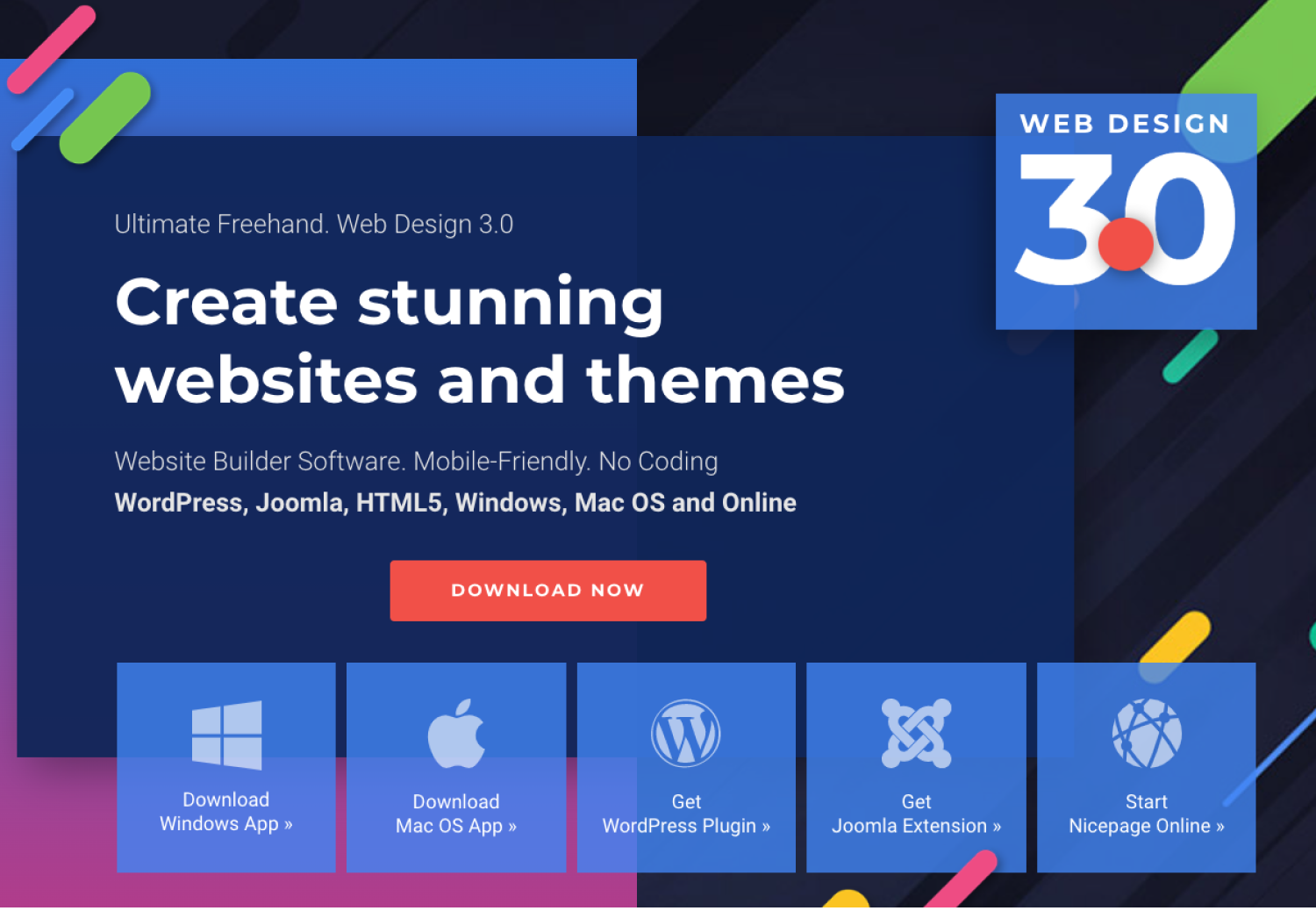
Nicepage is a visual website builder that combines AI-powered tools with advanced design controls, making it ideal for designers, small businesses, and agencies who want pixel-perfect results. It sits somewhere between a desktop design tool and a traditional website builder. You can design pages in the Nicepage desktop application, work online in the browser, or use dedicated WordPress and Joomla plugins.
Key features. Nicepage offers a powerful drag-and-drop editor with freehand positioning of elements on the canvas. It includes over 15,000 customizable templates and blocks, an AI page builder and AI block builder that generate initial layouts from short prompts, and multi-platform publishing to WordPress, Joomla, or static HTML. The editor works offline via desktop apps for Windows and Mac, with full responsive design controls, built-in animations, and global theme customization.
Main strengths. Nicepage gives you more layout freedom with absolute positioning and detailed responsive controls. Designers who want pixel-level adjustments often prefer it over structured editors like Wix. Users on Trustpilot rate it 4.8 to 4.9 out of 5, with reviews calling it "the most flexible, friendly, complete tool of its kind" and "easier than Dreamweaver with many templates". The export to HTML, WordPress, and Joomla makes it more flexible for developers who need full code ownership.
Major disadvantages. The AI content generation is limited. The AI only allows prompts around 40 characters, making it difficult to generate high-quality pages. The interface can feel complex for beginners. Mac users report the desktop version feels clunky. WordPress integration has limitations: many standard WordPress plugins do not work with Nicepage pages, and ecommerce features depend entirely on the CMS you use. Customer support experiences are mixed, with most praising fast help but some reporting ignored issues.
Pricing. Starter plan at $0 with 2 App Projects and 2 HTML Sites. Personal plan at $6.75 per month with 5 App Projects and 5 HTML Sites. Business plan at $12.75 per month with 50 App Projects and 50 HTML Sites. Pro plan at $18.75 per month with unlimited App and HTML Sites. Ultimate plan at $31.75 per month with unlimited projects and 20 connected domains. One-time license options are also available starting at $89.
Best use case. Designers, freelancers, and small agencies who prioritise design flexibility and creative control, especially those building landing pages, portfolio sites, or brochure websites. It is best for users who want pixel-perfect, freeform design without coding and need to export designs to multiple platforms. Not recommended for content-heavy sites or users who rely heavily on the WordPress plugin ecosystem.
Tool 2: Hostinger AI Website Builder
Hostinger has integrated its AI website builder directly into its hosting dashboard. When you create a new website, you answer a handful of questions about what your site is about, the vibe you are going for, and what pages you need. The AI then generates a complete, multi page website with written content, images, a color scheme, and a layout structure.
One reviewer who has been building websites since the days of hand coding table layouts in Notepad tested the builder across three different projects: a portfolio site, a small business landing page, and a niche blog. His bottom line was clear. "Hostinger's AI Website Builder is the most cost effective way to go from zero to a published, professional website in 2026. It's not perfect, but it's remarkably good for the price, and it's improving with every update".
Key features. The builder uses a proprietary system that combines large language models for copywriting with its own design engine. It actually makes design decisions, choosing font pairings, establishing visual hierarchy, and placing calls to action in spots that make conversion sense. The builder is included free with Hostinger's Business and Cloud plans. No separate AI subscription fee, no per generation credits. You get unlimited regenerations.
Main strengths. The onboarding flow asks about six questions. Within about 90 seconds, you can have a four page site. The generated copy is substantially better than the generic filler text most AI builders produce. You can highlight any text block and ask the AI assistant to rewrite, shorten, expand, or change the tone.
Major disadvantages. Design flexibility has a ceiling. You are working within the structural framework the AI chose. You can move sections around and add new ones from a library, but you cannot go full custom code mode. Hostinger's reputation is based on very competitive entry level prices starting from $2.99 per month, but the AI builder is included only on Business and Cloud plans.
Best use case. Beginners and entrepreneurs eager to grow their online presence quickly, especially very small to medium businesses, artisans, bloggers, independent consultants, and small physical stores.
Tool 3: 10Web AI WordPress Builder
10Web is fundamentally different from the other tools because it is WordPress exclusive. Every site it generates is a real WordPress installation, not a proprietary content management system. This matters because users retain portability while gaining AI assisted creation.
Key features. The AI Website Builder asks a small set of business questions and generates page structure, text copy, images, and layout styling based on Elementor. A lesser known but widely used feature is AI Website Replication, which allows you to input a live URL and have the platform recreate that design into an editable WordPress format. Independent reviews note that replication accuracy is strong for standard layouts.
Unlike many AI builders that outsource hosting, 10Web integrates managed Google Cloud hosting by default. Each site runs in an isolated container with dedicated resources. The included PageSpeed Booster automates image compression, lazy loading, CSS and JavaScript minification, and critical path optimization, consistently delivering Google PageSpeed scores above 90 for newly generated sites.
Main strengths. 10Web does not attempt to replace WordPress, it streamlines it. Its real strength lies in reducing friction, not creative experimentation. Automated backups, malware scanning, and 24/7 human support are included.
Major disadvantages. Pricing is higher compared to many budget friendly hosting providers, which might not be ideal for individuals and startups with limited funds. The AI generated content often requires manual editing. There are no refunds or money back guarantees.
Pricing. AI Starter starts at approximately 10permonthforpersonalandtestsiteswith10,000visitsand10GBSSD.AIPremiumisapproximately10permonthforpersonalandtestsiteswith10,000visitsand10GBSSD.AIPremiumisapproximately15 per month for small businesses with 50,000 visits and 15GB SSD. AI Ultimate is approximately $23 per month for high traffic sites with 100,000 visits and 20GB SSD. A 7 day trial is available.
Best use case. WordPress users who want full access to the WordPress plugin ecosystem and the flexibility of Elementor, combined with AI automation for speed and hosting

Tool 4: Durable AI
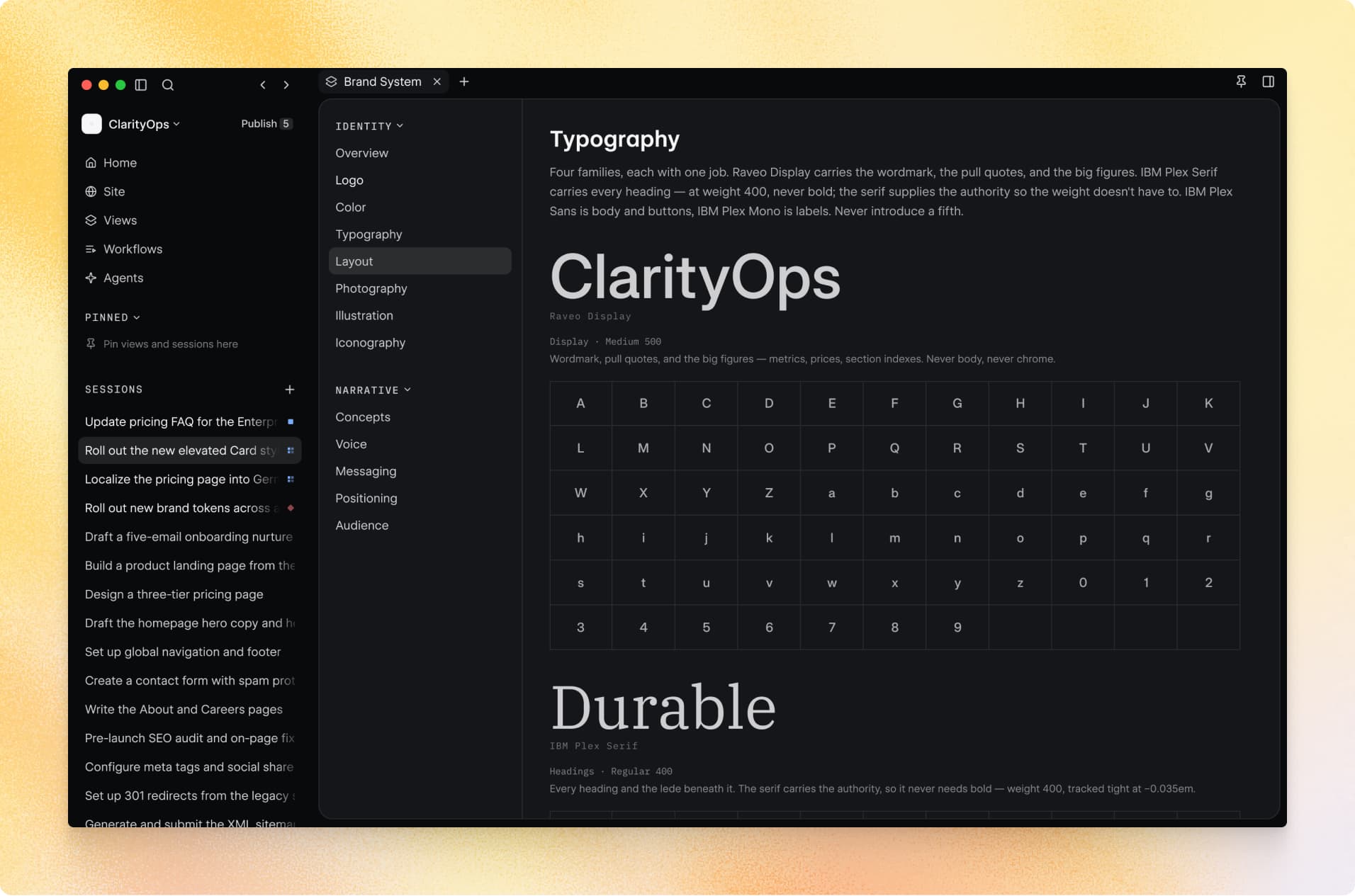
Durable positions itself as the fastest way to get online. The AI generates a complete website in about 30 seconds based on your business type and location, complete with images, copy, fonts, colors, and a lead generation form.
One reviewer described Durable as having a frictionless experience from sign up to final edits, with templates that are responsive and clean. The integrated AI assistants for content and images make building a site a bit more efficient and fun.
Key features. Durable is not just a website builder. It is an all in one small business suite that includes a very simple CRM, invoicing features, and marketing automation. This saves time and money for small businesses that would otherwise need multiple services.
Main strengths. Extremely fast website creation. The free tier is generous, offering unlimited pages, 5 AI generated images each month, and hosting on a Durable subdomain without requiring a credit card.
Major disadvantages. The website builder is rather basic. It comes without a blogging system or ecommerce features. Advanced users will miss core features like an integrated blog with a commenting system or the ability to create a functional online store. Customization options are limited compared to traditional website builders.
Pricing. Free with Durable subdomain, 5 image generations per month, and 10 AI messages. Launch plan at 15permonthadds50extraimagegenerations,1,000AIchatmessages,andcustomdomain.Growplanat15permonthadds50extraimagegenerations,1,000AIchatmessages,andcustomdomain.Growplanat85 per month adds up to 500 images and unlimited AI messages.
Best use case. Service based small businesses, consultants, coaches, freelancers, and local service providers who just need a basic online presence quickly and do not rely heavily on their website for growth.
Tool 5: Framer AI
Framer is no longer just a prototyping tool. It is a full website builder that lets you design, build, and publish production websites without writing code. Companies like Miro, Perplexity AI, and Scale AI use it for their primary web presence. In August 2025, Framer raised 100millioninaSeriesDroundata100millioninaSeriesDroundata2 billion valuation. The company reached $50 million in annual recurring revenue and 500,000 monthly active users.
Key features. The editor works like Figma. You have full control over layout, spacing, typography, animations, and interactions without touching code. Every element is customizable down to the pixel. The result is that Framer sites consistently look better than sites built on Webflow, WordPress, or Squarespace at the same budget level.
Main strengths. Design quality is Framer's biggest advantage. No other website builder gives you this level of visual control without writing code. The platform combines a Figma like visual editor with a built in content management system, hosting on a global edge CDN, and AI powered features for layout generation, content writing, and localization.
Major disadvantages. The CMS has limits. For content heavy sites, it still lags behind WordPress. Editor seats are billed separately, which adds up for teams and agencies. A Pro site with three extra editors costs 150permonth,not150permonth,not30.
Pricing. Free plan for exploring the platform. Basic plan at 10permonthforpersonalsites,portfolios,andfreelancerpages.Proplanat10permonthforpersonalsites,portfolios,andfreelancerpages.Proplanat30 per month for teams, agencies, and startups. Scale plan at $100 per month for companies running full marketing stacks on Framer.
Best use case. Marketing websites, landing pages, portfolio sites, and content sites where design quality and speed to launch matter more than deep CMS functionality.
Tool 6: Squarespace AI
Squarespace has added AI assistance on top of its well known, polished templates. It helps you generate page sections, copy, and layouts that stay on brand. It is particularly strong for visually driven brands like photographers, coaches, and studios who want something that just looks good with minimal tweaking.
Key features. Designer grade templates with responsive design and strong typography baked in. AI assisted layout and content suggestions for faster page building. Integrated blogging, scheduling, memberships, and ecommerce in higher plans.
Main strengths. Squarespace's strength is its consistently beautiful design system. AI outputs tend to look polished with minimal edits, which reduces the time from draft to launch.
Major disadvantages. AI site output can be somewhat generic. Serious brands will still need manual refinement. No permanent free plan, and pricing is slightly above some budget competitors.
Pricing. Basic plan at 16permonth.Coreplanat16permonth.Coreplanat23 per month. Plus plan at 39permonth.Advancedplanat39permonth.Advancedplanat99 per month for high volume operations.
Tool 7: Zyro AI
Zyro combines AI driven layout generation, AI content writing, and heatmaps to optimize user experience. This makes it an excellent pick for small businesses on a tight budget wanting smart automation.
Key features. AI content generator for headlines, blogs, and product descriptions. Heatmap tool predicts visitor behavior to improve design. Fast page loading and responsive templates. Integrated ecommerce functionality available on business plans. A small apparel startup used Zyro's AI copywriting to rapidly create product pages and blog content, significantly reducing marketing time and expediting launch.
Pricing. Basic plans start at 8.99permonthwithdomainandSSL.Business+planat8.99permonthwithdomainandSSL.Business+planat15.99 per month offers ecommerce features.
Tool 8: Dorik AI
Dorik is an AI powered, no code website builder that lets anyone create and publish professional websites without writing a single line of code. It has built a reputation for competitive pricing and lifetime deals that appeal to freelancers and small businesses. The AI site builder is the centerpiece: you describe your business, tone, and goals, and the platform generates a complete website with sections, text, and a color scheme in just a few seconds.
Pricing. Personal plan at 10permonth.Professionalplanat10permonth.Professionalplanat12 per month. Performance plan at $26 per month.
Tool 9: Carrd
Carrd is in a category of its own. It is not a full AI website builder, but it deserves mention because it is the cheapest way to get a professional looking single page site online. Carrd is the cheapest website builder of over 50 tested by one review site. Its small team and simpler product allow it to be much more affordable than competitors. Top website builders like Wix and Squarespace are roughly 10 times the price.
Pricing. Free for basic use. Pro plan at 19peryearforthreesiteswithcustomdomains,forms,widgets,andGoogleAnalytics.ProPlusat19peryearforthreesiteswithcustomdomains,forms,widgets,andGoogleAnalytics.ProPlusat49 per year for up to 10 sites.
Best use case. Simple one page sites, landing pages, pre launch waitlist pages, personal portfolios. Not designed for multi page websites or complex business sites.
Tool 10: Wix ADI
Wix Artificial Design Intelligence, or Wix ADI, is one of the most mature AI website builders on the market. It asks you a few questions about your brand and instantly generates a multi page site with relevant sections, images, and copy.
Key features. Wix ADI builds layout, navigation, and initial content from a short questionnaire. It sits on top of the full Wix ecosystem, so you can start with AI and then fine tune everything using the classic drag and drop editor and over 900 templates. Built in SEO, analytics, blogging, and ecommerce support are available on higher tier plans.
Main strengths. Wix ADI combines one click AI generation with deep manual control. This makes it ideal if you want to start simple but grow into advanced design and ecommerce later.
Major disadvantages. The platform can feel heavy. Too many options and apps may overwhelm beginners after the initial AI magic. Complex, widget heavy pages can be slower than leaner builders if not optimized.
Pricing in 2026. Core website plans start at 16permonthfortheLightplan,16permonthfortheLightplan,27 per month for Core, and $32 per month for Business. Free basic plan available with Wix ads and a Wix subdomain.
Best use case. Solo founders and growing small businesses that want fast AI setup today but expect to add bookings, payments, memberships, or advanced design customization as they scale.
The Hard Truth: AI Builds the Skeleton. Experts Make It Grow.
Here is the reality that every AI tool vendor wants you to ignore. Creating a website in 30 seconds is only the beginning. Research from 2026 shows a clear pattern. AI generated sites often look decent on the surface, but they struggle to survive long term.
A landmark 16 month study by SE Ranking analyzed 2,000 AI generated articles published on brand new domains. The results were striking. Every single article initially gained promising rankings, then completely disappeared from Google's top 100 search results within three months. Google appears to give AI content a temporary "leap of faith" before ruthlessly filtering it out for lacking genuine authority and human input.
Another study found that over 63 percent of small business AI generated standalone sites attract less than 500 unique visitors per month within three months of going live. The problem is not the design. The problem is that AI tools prioritize speed of creation over sustainable SEO, backlink building, and ongoing optimization.
Even link quality suffers. An Ahrefs study of 16 million URLs discovered that AI assistants send users to broken web pages nearly three times more often than Google Search. ChatGPT alone hallucinates URLs so frequently that 1 percent of clicked links led to 404 error pages, compared to just 0.15 percent for Google.
What happens after you click publish? That is where real work begins. SEO and Answer Engine Optimization are ongoing processes of adaptation. A structured post launch strategy with technical audits, 301 redirects, content expansion, security patches, backups, and performance monitoring determines whether your site grows or dies.
AI is flooding the web with content. But who keeps that content clean, updates broken links, and adapts to Google's hundreds of annual algorithm changes? An expert does.
The ongoing maintenance checklist for 2026 includes vulnerability scanning, software updates, browser compatibility testing, weekly backups, malware removal, and site speed monitoring. AI tools can help automate some of these tasks, but strategic oversight requires a human.
What AI Can and Cannot Do for You
AI tools are genuinely powerful. In 2026, over 86 percent of SEO professionals use AI to automate routine tasks like technical audits, meta tag generation, and content drafting. AI can cut technical audit time by 70 percent by crawling a site for errors. It can generate initial copy, suggest keywords, and even monitor basic uptime.
But here is the crucial distinction that tool vendors blur. AI is a tool for experts, not a replacement for experts.
Strategic SEO cannot be automated. Keywords change. Competitors adapt. Google updates its algorithm hundreds of times per year. AI can tell you that traffic dropped. An expert analyzes why it dropped, which competitor overtook you, and what specific changes to make. According to industry data, 86 percent of enterprise SEO teams report stronger results when humans shape AI use, not when AI runs the show alone.
Backlinks require real relationships. Getting reputable websites to link to your content is fundamentally a human activity. You need outreach, networking, genuine relationship building, and personalized communication. AI cannot pick up the phone or build the trust required for a high value backlink.
Quality content needs human experience. AI generated text is often thin, generic, and lacks personal stories, unique insights, and genuine expertise. A 2025 survey found that 45 percent of marketers plan to use AI for over half their SEO initiatives by late 2026, but the highest performing teams use AI to draft and then heavily edit with human voice and authority.
Analytics interpretation requires judgment. Looking at numbers is easy. Knowing what to change based on those numbers requires experience, context about your specific business, and an understanding of your customers. AI can give you data. A human expert gives you actionable decisions.
Security monitoring needs proactive response. Hackers do not take weekends off. AI tools can send alerts, but a professional who manages your site daily will apply security patches, restore backups, and close vulnerabilities before they become disasters.
Performance optimization is ongoing. What makes your site fast today might slow it down next month after plugin updates, new content, or increased traffic. AI can measure speed. An expert knows which specific optimizations to apply and when.
The most successful website strategy in 2026 is not human alone or AI alone. It is human plus AI. Experts use AI tools to automate routine tasks, accelerate audits, and generate drafts. Then they apply strategic judgment, creative insight, and personal experience to turn a functional site into a business asset that actually ranks, converts, and grows.
The Bottom Line
AI website builders are incredible tools for getting a professional site online in minutes. Wix ADI is best for businesses that want to start simple and grow. Hostinger offers the best value for money. Framer AI delivers unmatched design quality. 10Web is the only choice if you need full WordPress flexibility and top tier speed scores.
But here is the test that separates real business owners from hobbyists. Ask yourself this question. Do you want a website that simply exists, or do you want a website that actually grows your business?
If you answer the first, an AI tool is enough for you. But if you want to turn your website into a customer generating asset, you need more than AI. You need ongoing SEO work. You need backlinks. You need content that ranks. You need analytics that inform decisions. You need security that protects your reputation. You need a human who understands the difference between a pretty page and a profitable one.
That is where I come in. I have built over 50 websites and currently manage more than 10 sites daily. I have taken projects from absolute zero to thousands of monthly views. I am Sami Haraketi, and I do not just build websites. I build digital assets that attract customers, rank on Google, and grow your business.
Whether you want to start from scratch with an AI generated foundation or fix an existing site that is not performing, I can help. Visit samiharaketi.com to see my work and get in touch.


More
more
like this
like this
On this blog, I write about what I love: AI, web design, graphic design, SEO, tech, and cinema, with a personal twist.
.png)