Hidden History: Namibia’s First Genocide Remembrance Day
In 2025, Namibia observed its first official Genocide Remembrance Day for the victims of German colonial violence against the Herero and Nama. The date, 28 May, is not an anniversary of a battle. It marks a 1907 order that closed concentration camps in what was then German South West Africa.
The choice directs attention to a less familiar end point: the camps were closed, but the people held there had already endured dispossession, forced labour, disease and death. The history began with colonial rule and resistance, and it remains part of a live debate over recognition, reparations and who gets to negotiate on behalf of descendants.
Story five in Hidden History. Population figures and current remembrance context are attributed to historical sources and reporting.
From revolt to extermination order
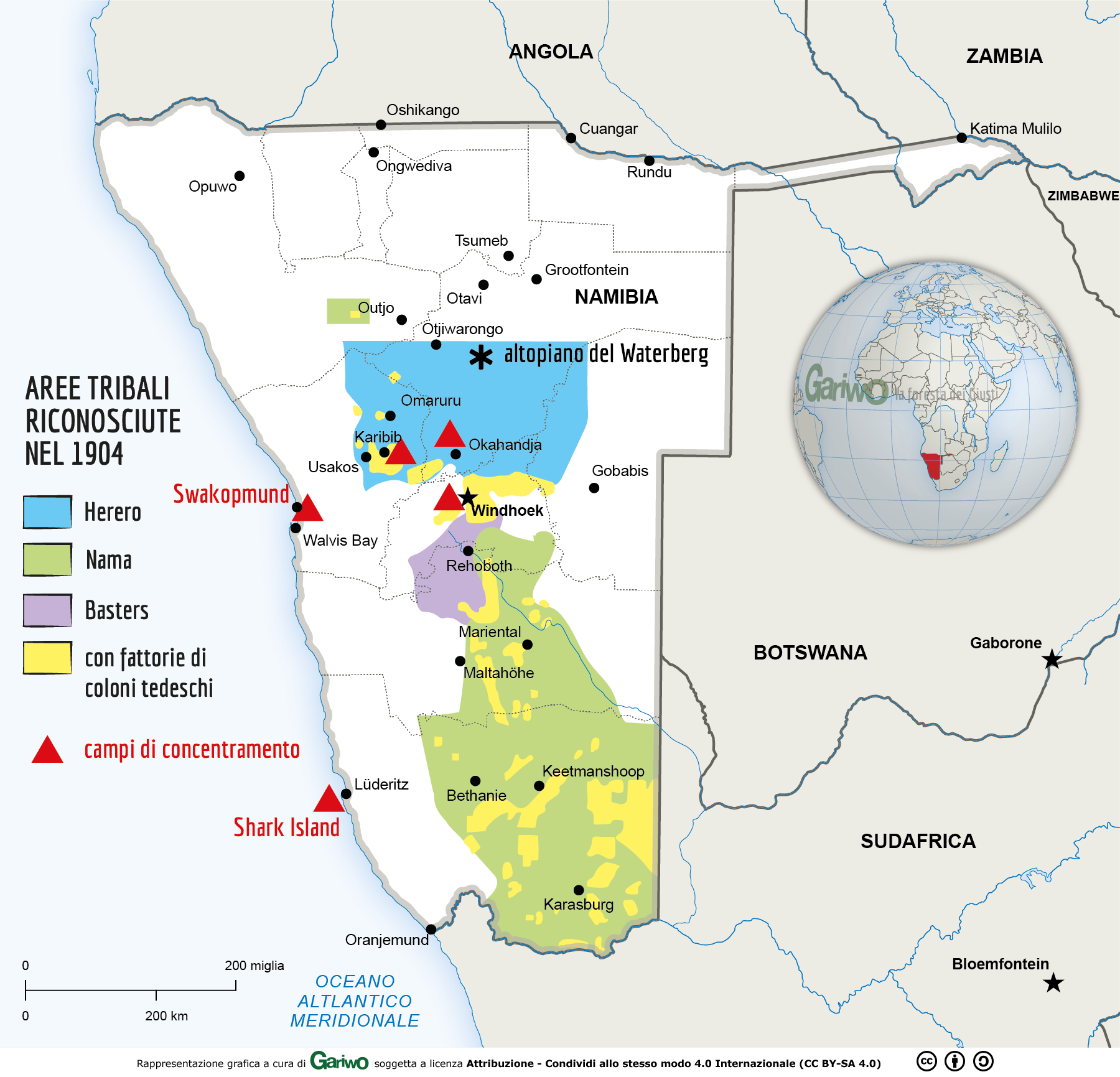
Herero resistance against German colonial rule began in January 1904. Nama communities later joined the conflict. German forces under General Lothar von Trotha drove Herero people toward the Omaheke desert and blocked access to water. Von Trotha’s October 1904 order declared that Herero people should leave the territory or be shot. Historians describe this as an explicit extermination policy.
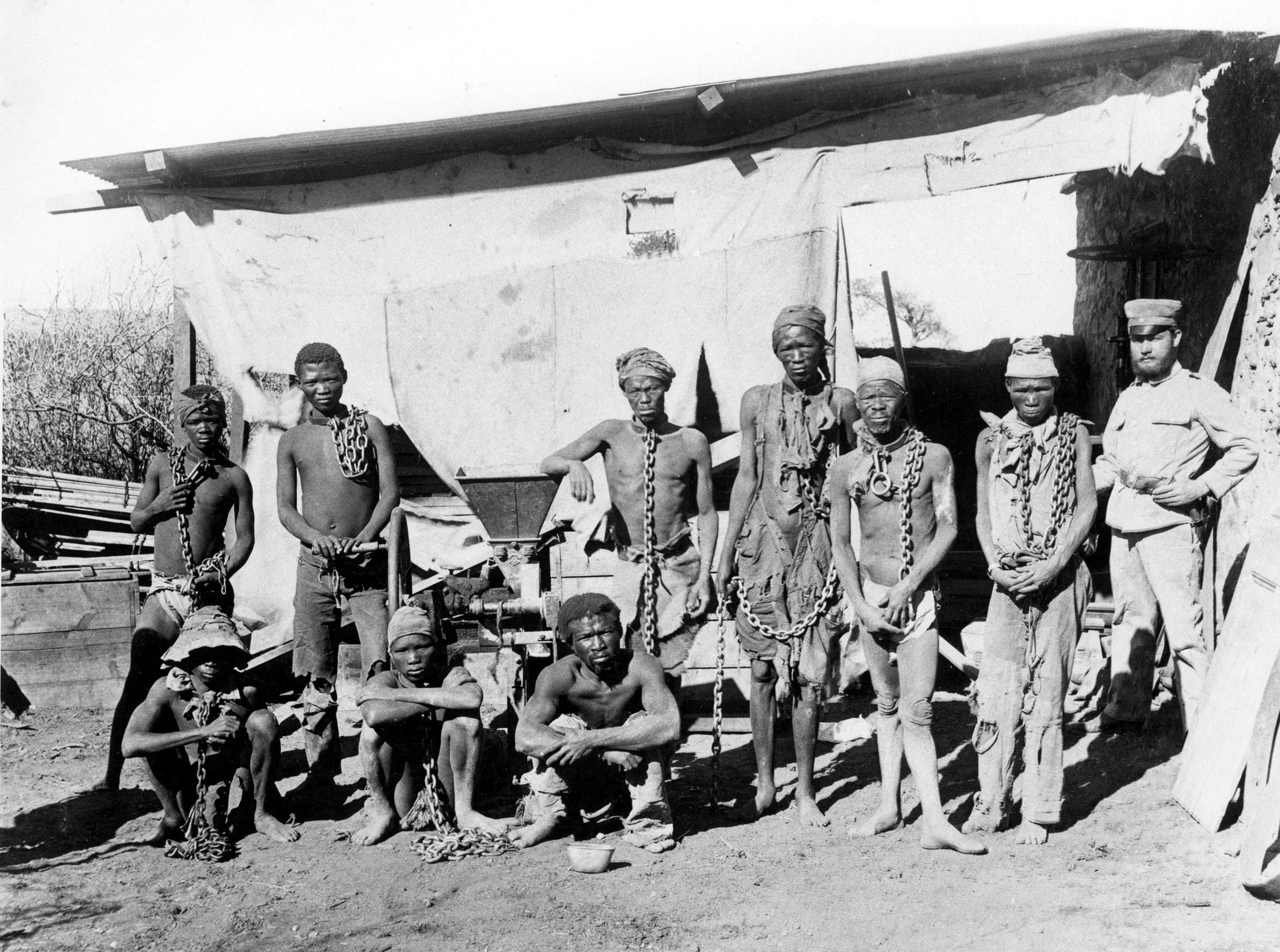
The violence extended beyond the desert. Survivors were confined in camps, including Shark Island, where people faced forced labour, hunger and disease. Nama prisoners were also held in brutal conditions. The scale is not captured by one dramatic photograph; it sits in the combination of military orders, camp records, oral histories and demographic loss.
Estimates vary, but reporting and museum sources commonly cite around 65,000 Herero and 10,000 Nama people killed. Any precise total should be treated as an estimate because records were incomplete and populations were displaced. What is not in dispute is that colonial forces destroyed communities on a mass scale.
Why 28 May
On 28 May 1907, German colonial authorities ordered the closure of the concentration camps. The event is now used by Namibia to mark the genocide’s victims. Choosing the camp closure date does not imply that the suffering ended neatly that day. Survivors still had to rebuild lives under colonial control, while many lands and cattle had been taken.
Germany formally recognised the colonial genocide in 2021 and announced a €1.1 billion programme over 30 years for development projects in Namibia. Herero and Nama representatives criticised the agreement for failing to provide direct reparations and for excluding some affected communities from negotiations. Those disagreements are central to the current story, not an afterthought.
Memory is also a question of authority
A state can designate a remembrance day. It cannot, by itself, resolve who has standing to represent descendants, what counts as repair, or how lost land should be addressed. The Namibian government, community organisations and German officials do not speak with a single voice on these questions.
The label “first genocide of the twentieth century” is widely used, but the phrase can make a contested chronology sound like a competition. The more useful focus is the historical evidence: an order of extermination, mass death, forced confinement and the continuing consequences of colonial dispossession.
A final thought
The date of a memorial tells us what a country wants people to remember. Here it leads to the closing of camps, a moment that could have been mistaken for relief. The lives behind the date make clear that an administrative order did not end the harm.
Remembering Namibia’s Herero and Nama is not only an act of looking backward. It raises practical questions about recognition, land, money and the people who should have a voice in deciding what justice means. Those questions are still being answered.
Sources and image credits
- Deutschlandmuseum: Herero uprising and colonial war
- Associated Press: Namibia’s first Genocide Remembrance Day, 28 May 2025
- Reuters: remembrance and reparations debate
- The Independent: German recognition and archival photograph
- The New Yorker: archival photograph and colonial collection context
Images: Herero and Nama prisoner photograph credited to the National Archives of Namibia, via The Independent; camp-location map via Gariwo; chained Herero prisoners photograph via The New Yorker. Rights remain with the archive and publishers.
Have a project behind the idea?
I work on websites, branding and film. If you need help turning your next idea into something people can see and use, tell me what you have in mind.
What did you think?
A thought, a different perspective, a little appreciation. You’re welcome here.
.png)