
Hidden History: Lisbon Rebuilt With a Wooden Skeleton
On 1 November 1755, an earthquake, fires and a tsunami devastated Lisbon. The disaster is remembered for its scale, but the rebuilding offers a less familiar history: the city was reconstructed through a deliberate system of streets, standardised buildings and timber frames hidden inside masonry walls.
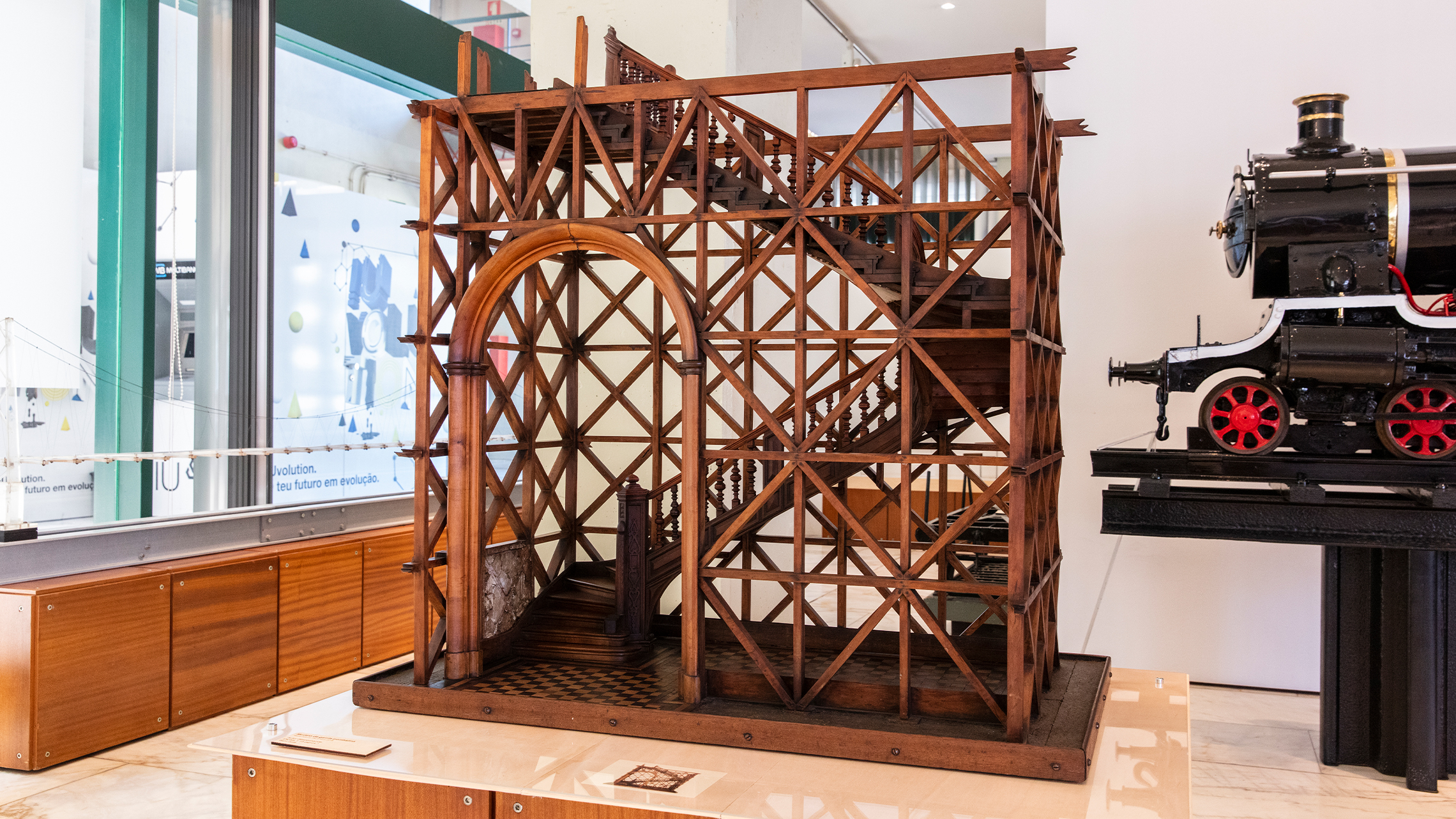
The timber structure came to be known as the gaiola pombalina, or Pombaline cage. It is tempting to describe it as an ingenious device that made Lisbon earthquake-proof. That would overstate the evidence. Its importance lies in how authorities applied a flexible frame as part of a broader, coordinated reconstruction.
Story two in Hidden History. Dates and architectural details are checked against UNESCO’s Tentative List submission and the University of Lisbon.
Reconstruction as a choice
After the earthquake, Lisbon faced a decision that was also political: restore the old street pattern, or build a different city? The plan associated with Sebastião José de Carvalho e Melo, later the Marquis of Pombal, chose an orderly reconstruction of the Baixa district. Streets were widened and laid out in a regular grid. Building fronts and internal plans could be repeated, making a large rebuilding effort easier to organise.
UNESCO’s Tentative List description presents the Baixa Pombalina as an early example of comprehensive post-disaster urban planning. This is a nomination dossier, not a final UNESCO inscription or a universal ranking, so claims such as “the first modern city” need attribution. What is clear is that the rebuilding joined street planning, building regulation and construction methods in a way that attracted later attention.
A structure behind the walls
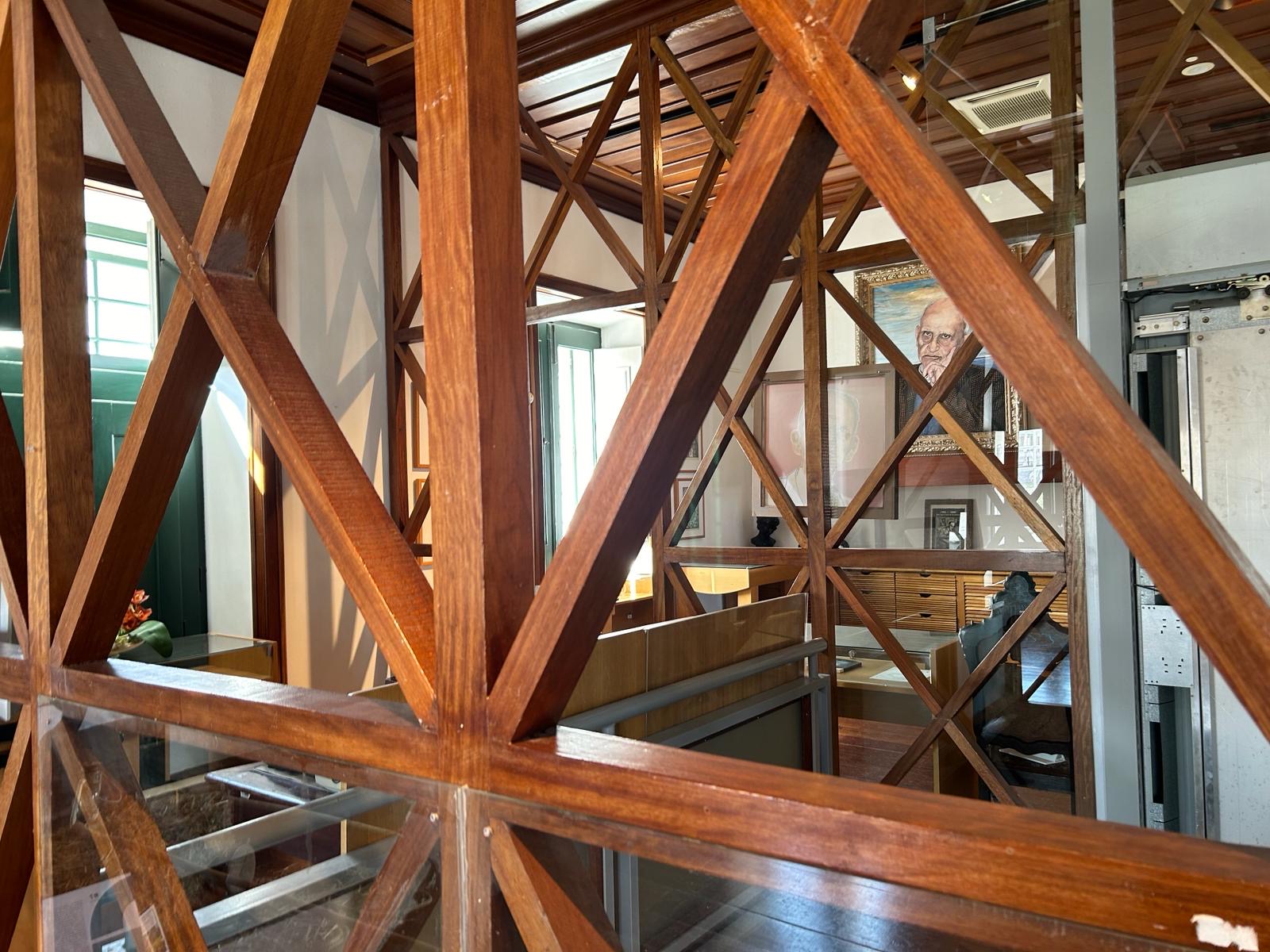
The gaiola was a timber frame assembled within the building’s masonry. Its diagonal bracing created a three-dimensional skeleton. Wood can flex under movement; masonry provides mass and stiffness. Together, the materials were intended to respond more effectively to seismic forces than an unreinforced wall alone.
The system was not simply a single invention suddenly discovered after disaster. Timber framing and bracing had precedents. The notable step was the standardised use of the frame across a planned district, alongside rules for building dimensions and repeated layouts. A University of Lisbon engineering account describes the cage as an anti-seismic construction system developed during the reconstruction.
How officials tested the design
Historical accounts describe military personnel marching in formation around model buildings to simulate movement. The anecdote is memorable, but popular retellings can make the test sound more precise than the surviving evidence warrants. The point worth keeping is that builders tried to think about shaking and structural response instead of treating the earthquake as an isolated misfortune.
Lisbon’s reconstruction also involved labour, property, money and state authority. A regular plan can make construction more efficient, but it changes how people live and who controls urban land. Engineering and politics were not separate chapters in the rebuilding.
A final thought
The most interesting thing about the Pombaline cage is that it disappears from view. The street grid is visible. The timber frame is not. A city’s resilience can be built into what its residents rarely notice.
That does not make the old system a guarantee against future earthquakes. It makes it a record of learning: after catastrophe, people tried to turn knowledge into repeatable practice. Lisbon’s hidden wooden skeleton is one answer to the question of how a city carries memory forward.
Sources and image credits
- UNESCO World Heritage Centre: Baixa Pombalina Tentative List dossier
- Instituto Superior Técnico, University of Lisbon: the Pombaline cage
- British Museum: print of Lisbon Cathedral ruins after the 1755 earthquake
Images: Pombaline structural model via Instituto Superior Técnico; timber-frame photograph via Wikimedia Commons. Rights remain with the respective rights holders.
Have a project behind the idea?
I work on websites, branding and film. If you need help turning your next idea into something people can see and use, tell me what you have in mind.
What did you think?
A thought, a different perspective, a little appreciation. You’re welcome here.

.png)

