
Hidden History: Albania’s Wartime Promise That Protected Jewish Refugees
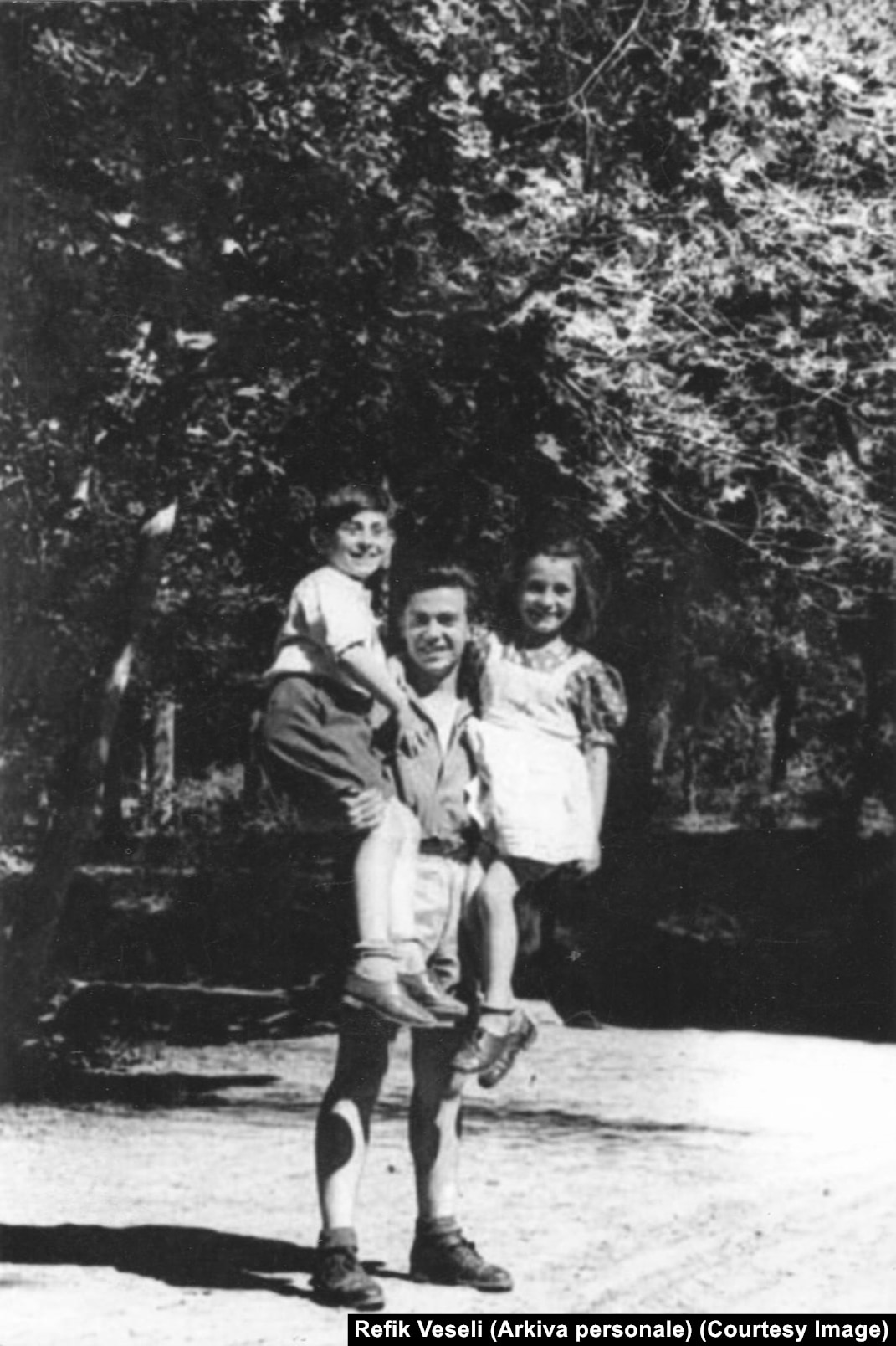
There is a familiar version of history in which small countries appear only as territory between larger powers. Albania’s wartime record asks us to look closer. During the Second World War, Jewish refugees found shelter in Albanian homes, including in the mountain town of Krujë, where Refik Veseli and his family hid members of the Mandil family.
The story is often told through besa, a word associated with keeping one’s promise and protecting a guest. That idea matters, but it should not turn a complicated national history into a simple legend. The records show individual choices made under occupation, and a remarkable outcome that deserves careful explanation.
Story one in Hidden History. Historical figures below are drawn from Yad Vashem and Holocaust research sources.

A family, a hiding place, a decision
Yad Vashem’s account follows the Veseli family, who sheltered the Mandils in their home near Krujë. Refik was a teenager when he became involved. The family hid the refugees during the German occupation, when helping people persecuted by the Nazis could carry grave consequences.
It is this scale that makes the history legible. “Albania saved the Jews” is too broad to explain what happened. A family had to decide whom to trust, where to hide people, and what to say if armed forces came to the door. A promise becomes history through practical acts: food, shelter, concealment and the willingness to accept danger.
What the record can support
Yad Vashem notes that before the war Albania had a small Jewish population, and that Jewish refugees entered the country from several parts of Europe. The exact number is uncertain because wartime borders, occupation and displacement make a precise count difficult. The institution’s research records that nearly all Jews who were within Albania itself survived the war, with one family killed.
That finding needs its geography attached. During the war, Albania’s borders and occupation zones changed; records of residents, refugees and people in territories then administered by Italy or Germany are not interchangeable. A national headline can conceal those differences. The careful version is still extraordinary: Albanian families, officials and networks gave refuge to people in immediate danger, and the number of Jews present in Albania at the end of the war was greater than before it.
Besa without the easy myth
Besa is often translated as a pledge or word of honour. It offers a way to discuss why protection of a guest mattered, but it does not mean that every person made the same choice or that rescue happened without risk and negotiation. Yad Vashem’s case histories preserve names and decisions; those are stronger than a story that turns an entire population into a single character.
Refik Veseli and his family were later recognised by Yad Vashem as Righteous Among the Nations. Remembering them alongside the Mandil family brings the story back to people rather than slogans. One household’s courage does not solve every question about occupation or complicity. It does show that, in a landscape shaped by coercion, someone could choose to protect a neighbour.
A final thought
What stays with me is how much history can depend on a private promise. The action may never look grand while it is happening. A door is closed. A meal is shared. A family risks being found.
That is a useful way to read Albania’s wartime story: as an archive of decisions, not a national fairy tale. When we keep the names, the limits of the evidence and the danger in view, the courage becomes more human, not less.
Sources and image credits
- Yad Vashem: the Veseli family
- Yad Vashem: research on the rescue of Jews in Albania
- Yad Vashem: Besa exhibition
- European Holocaust Research Infrastructure: rescue in Albania
Images: archival family portrait and wartime rescue photograph via Radio Free Europe/Radio Liberty. Rights remain with the respective publishers and photographers.
What did you think?
A thought, a different perspective, a little appreciation. You’re welcome here.

