Hidden History: Chile’s Coup Was Preceded by a Covert Media Campaign
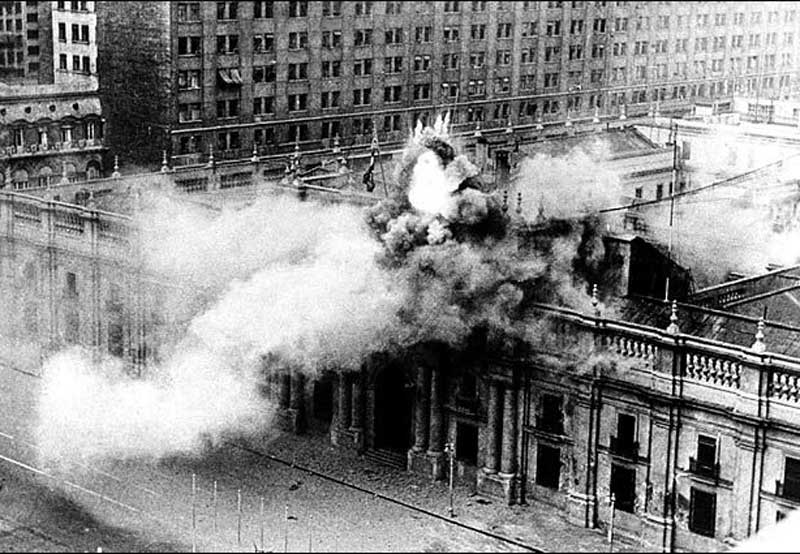
The 1973 coup in Chile is remembered through the assault on La Moneda and the end of Salvador Allende’s government. A less visible part of the story happened before the tanks: U.S. intelligence funding helped opposition parties and media outlets, including the newspaper El Mercurio.
This is not speculation. A U.S. Senate investigation and declassified State Department records document covert political action. They also draw an important line: the records show extensive interference and support for anti-Allende forces, but the CIA’s own 1973 assessment said it played no direct role in the military events that established the junta.
Story eight in Hidden History. The distinction between destabilization and direct command matters.

Influence before September 1973
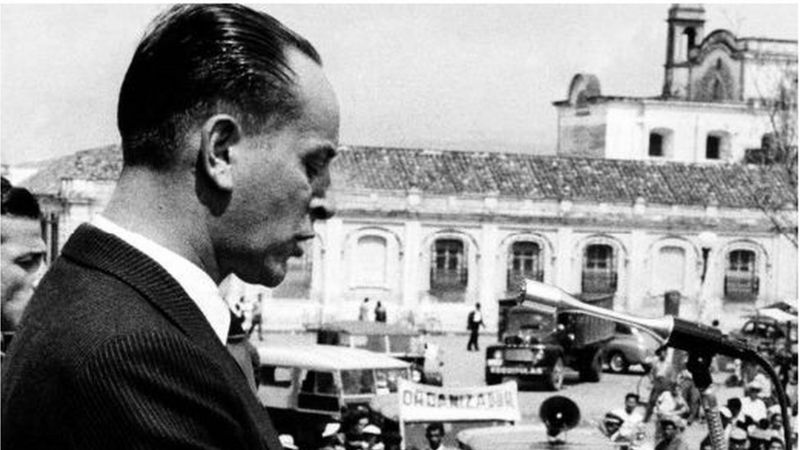
Salvador Allende won Chile’s 1970 presidential election and took office after congressional confirmation. U.S. officials opposed his socialist program and sought to prevent his administration from consolidating power. The Senate Church Committee later documented covert spending in Chile from 1963 to 1973, including support for political parties, media and civic groups.
El Mercurio became central to this history. Declassified records describe U.S. funds approved to keep the newspaper operating during a financial crisis. The paper provided a prominent platform for opposition to Allende. Other covert support went to political parties and organizations seeking to weaken the government and shape public opinion.
These actions took place amid Chilean polarization, strikes, economic problems and domestic political organizing. U.S. activity contributed to pressures against Allende, but it does not explain every cause of the crisis or erase the agency of Chilean actors.
What the record says about the coup
On 11 September 1973, the military attacked La Moneda. Allende died during the coup, and Augusto Pinochet’s dictatorship followed. A declassified CIA memorandum said the agency had supported opposition parties and media but played no direct role in the events leading to the new military government. That statement does not absolve earlier intervention; it specifies what the agency claimed about the final military action.
Why the distinction matters
It is tempting to compress the story into either “the CIA staged the coup” or “the crisis was entirely Chilean.” The documentary record resists both shortcuts. It shows a foreign government secretly funding political opponents and media, while showing that Chilean military leaders planned and carried out the coup themselves.
The difference between influence and operational command is not a technicality. It helps describe responsibility accurately. Covert support helped create a political environment hostile to Allende; the archive does not prove that U.S. officers directed the assault on the palace.
A final thought
There is a quiet power in following the money. A newspaper still has to report and edit; political actors still choose what to do. Yet a funding stream can change which voices survive and how a conflict is understood.
Chile’s story asks us to look beyond the dramatic day of the coup. The years before it were part of the history too, and the paper trail makes that harder to forget.
Sources and image credits
- U.S. Senate staff report: Covert Action in Chile, 1963–1973
- U.S. Department of State: CIA’s covert action program in Chile since 1970
- U.S. Department of State: request for covert funding of El Mercurio
Images: La Moneda during the coup, AP photograph via The Markaz Review; La Moneda image via SBS. Rights remain with AP and the respective publishers.
Have a project behind the idea?
I work on websites, branding and film. If you need help turning your next idea into something people can see and use, tell me what you have in mind.
What did you think?
A thought, a different perspective, a little appreciation. You’re welcome here.