Hidden History: Cambodia’s Secret Bombing Was Hidden in the Flight Records
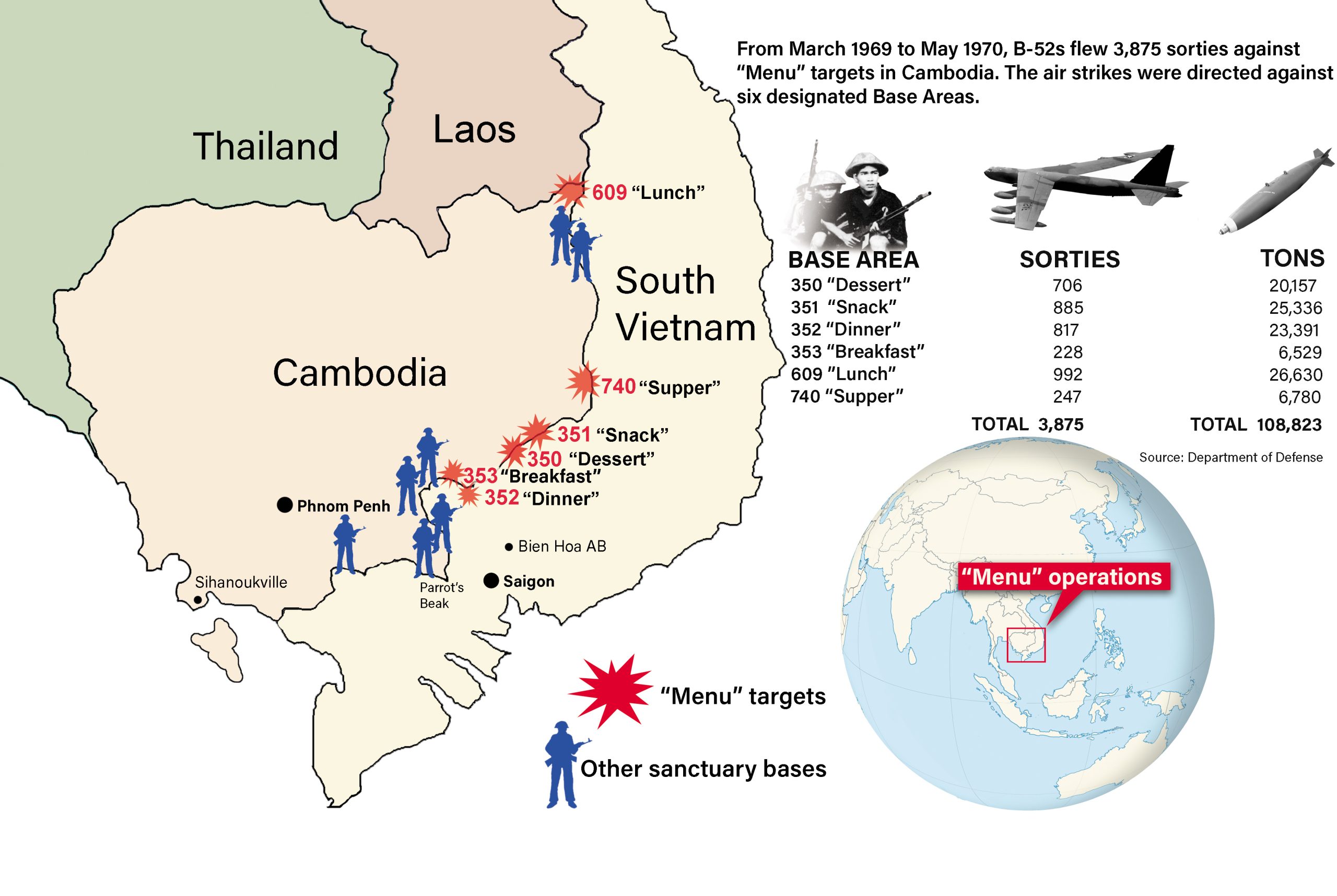
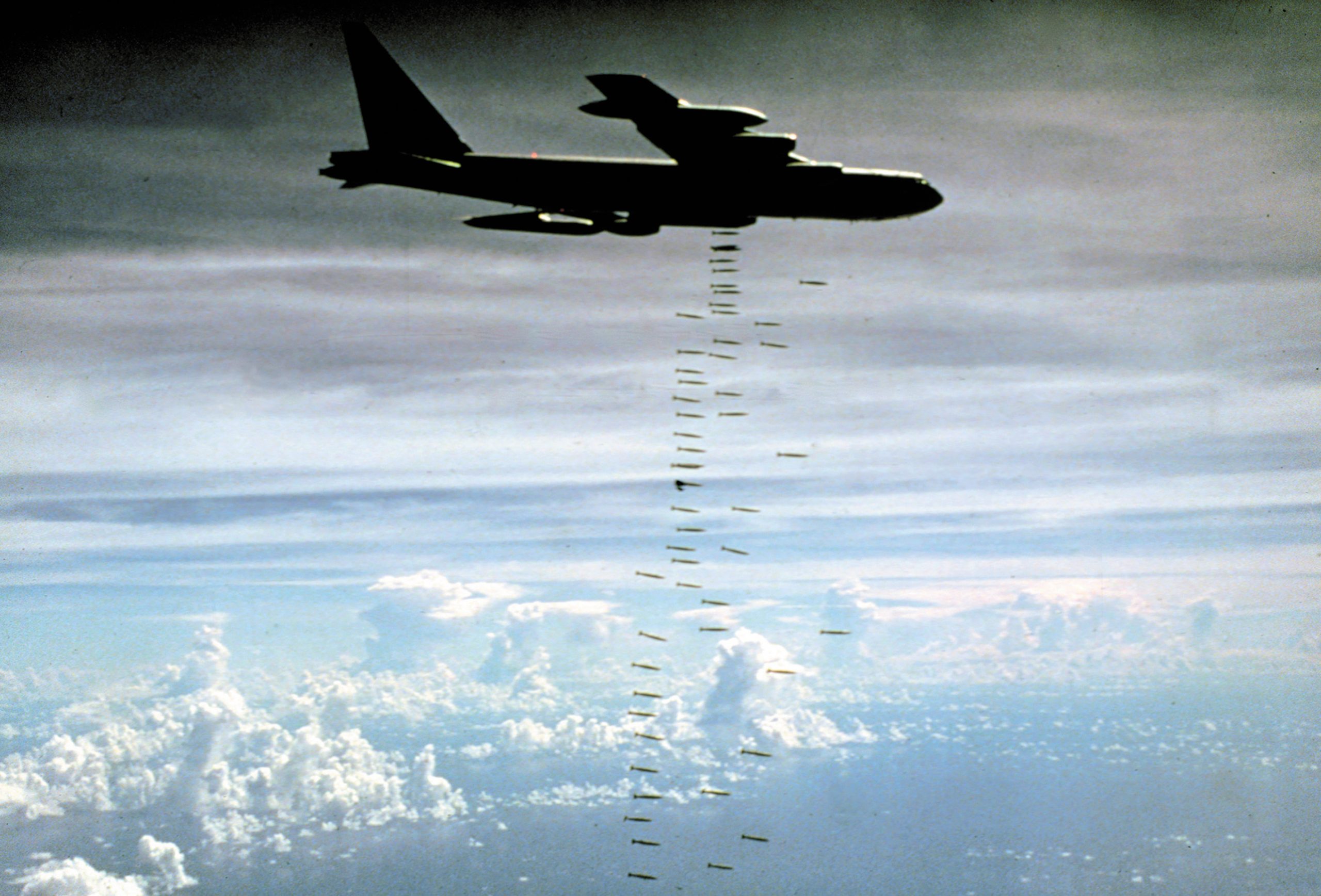
From 1969, U.S. B-52 aircraft secretly bombed targets in Cambodia under Operation Menu. The campaign was concealed from the public and Congress through classified procedures and false reporting in military records. The secrecy is documented in presidential papers, military histories and later congressional investigations.
Instead of treating this as rumor, follow the paper trail: a presidential order, the code names Breakfast through Dessert, and a whistleblower’s disclosure that helped expose the record-keeping system.
Story nine in Hidden History. This article focuses on documented concealment; the human impact requires more than one number.
Six names for a hidden campaign
Operation Menu began in March 1969 and targeted areas along the Cambodia–South Vietnam border where U.S. officials believed North Vietnamese and Viet Cong forces were operating. The six target series were called Breakfast, Snack, Lunch, Dinner, Supper and Dessert. The names made the campaign sound almost ordinary; the targets and secrecy were anything but.
President Richard Nixon and national security adviser Henry Kissinger directed that the bombing remain secret. A February 1969 memorandum considered whether an attack should be overt or “officially categorized as a mistake.” Later records show Nixon telling Kissinger to increase the Menu series. These documents are available in the State Department’s Foreign Relations volumes and Nixon presidential records.
To conceal the strikes, crews and officers used a dual reporting system. Official reports made attacks appear to have occurred in South Vietnam, while separate records tracked the actual Cambodian targets. The National Archives describes how the public remained unaware of the bombing when Nixon announced a later ground incursion in 1970.
How the secret came out
In 1973, a Senate investigation examined allegations that Cambodia’s bombing records had been falsified. Air Force whistleblower Hal Knight’s disclosures helped expose the dual system. Hearings and declassified records revealed that the campaign had been hidden not only from public view but from congressional oversight.
What the files leave open
The record establishes the secret campaign and its concealment. It does not provide a complete count of civilian deaths, displacement or villages destroyed. Estimates vary, and researchers continue to examine the bombing’s relationship to Cambodia’s wider conflict and the rise of the Khmer Rouge. It would be careless to reduce that history to a single cause.
Nor does “secret bombing” mean Cambodians could not see or hear what was happening. It describes what U.S. officials hid from their own public and legislative institutions. For people on the ground, the war was not secret.
A final thought
What stays with me is how administrative records can make violence disappear. A code name, a coordinate, a line in a database: each can turn a real place into a clerical abstraction.
The files eventually exposed the system, but disclosure came after decisions had been made. Cambodia’s history is a reminder to ask who gets to see a war as it unfolds, and whose evidence is accepted only years later.
Sources and image credits
- U.S. National Archives: Cambodia campaign and the public record
- U.S. Department of State: February 1969 memorandum on bombing Cambodia
- U.S. Department of State: March 1970 memorandum on B-52 operations
- National Security Archive: order initiating secret bombing
Images: Operation Menu map and B-52 image via Air & Space Forces Magazine. Rights remain with the publication and original photographers.
Have a project behind the idea?
I work on websites, branding and film. If you need help turning your next idea into something people can see and use, tell me what you have in mind.
What did you think?
A thought, a different perspective, a little appreciation. You’re welcome here.