War, Displacement, and Europe: How Middle East Conflicts Shape Migration
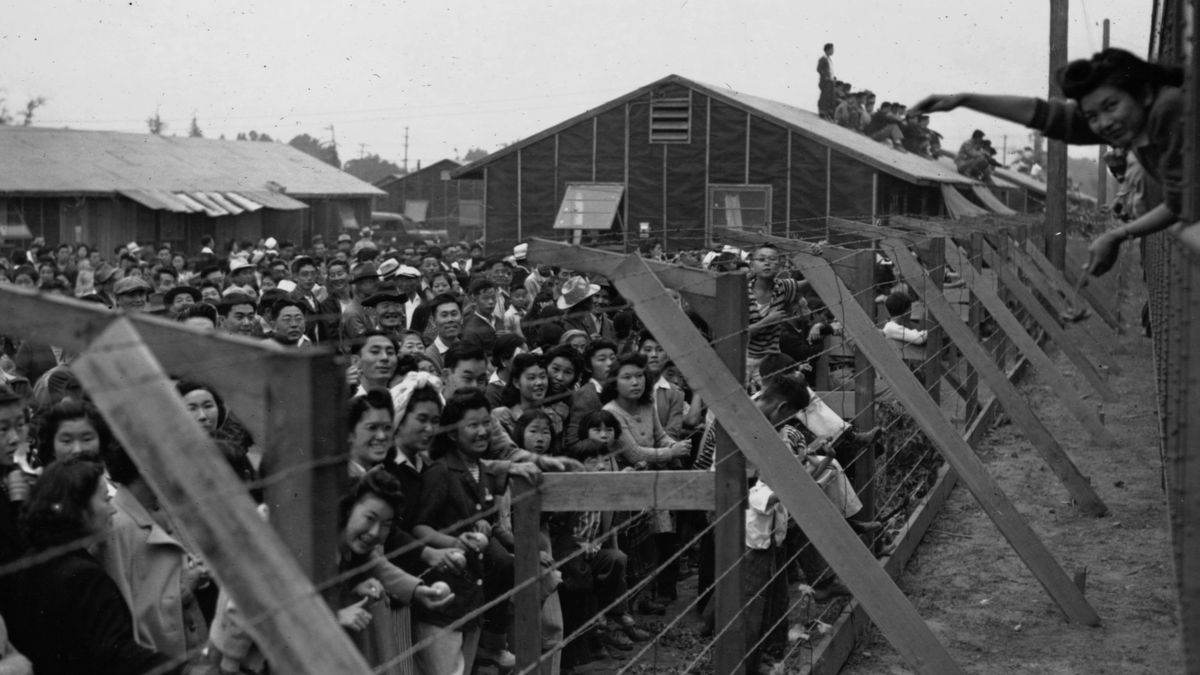
For decades, instability in the Middle East has influenced migration flows toward Europe. Wars do not stay contained within borders; they reshape demographics, economies, and politics far beyond the battlefield. Understanding Europe’s migration debates requires looking first at the conflicts that drive people to leave their homes.
Syria and the Turning Point of 2015
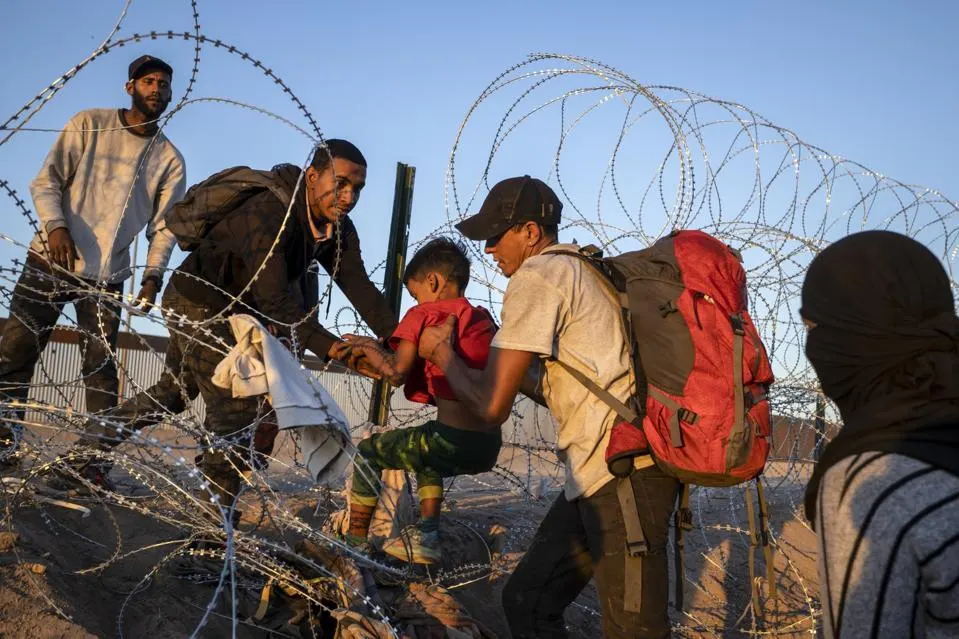
The modern migration wave into Europe is inseparable from the Syrian civil war. After the conflict erupted in 2011, more than 6.8 million Syrians fled the country, according to the UNHCR. Most remained in neighboring states such as Turkey, Lebanon, and Jordan, but a smaller share attempted the journey to Europe.
Germany became the central destination. In 2015 alone, it received roughly 890,000 asylum seekers, many of them Syrian. The decision by Chancellor Angela Merkel to keep borders open was driven by several factors:
- humanitarian commitments under international refugee law
- Germany’s aging workforce and need for labor
- political calculations to maintain EU stability and avoid border collapses
The policy was controversial domestically but reflected Germany’s post-World War II identity as a state committed to asylum protections.
Why Wars Produce Migration Waves
Migration flows toward Europe typically spike when three conditions align:
- State collapse or prolonged war (as in Syria, Iraq, Libya)
- Regional host countries reaching capacity (e.g., refugee pressure in Turkey or Lebanon)
- Smuggling routes opening toward Europe
When these combine, Europe becomes the secondary destination after nearby countries are overwhelmed.
Data from the International Organization for Migration shows that most refugees prefer to remain close to home; movement to Europe usually happens only after local options fail.

Israel, Regional Conflict, and Strategic Claims
Some commentators argue that Israel has pursued strategies aimed at weakening multiple regional states. Analysts debate such claims intensely. While Israel has conducted military operations in Gaza, Lebanon, and Syria at various times, historians and security scholars do not agree on a coordinated plan to dismantle several countries.
What is factual, however, is that repeated conflicts — involving Israel, Iran-aligned groups, and regional militias — contribute to instability across the Middle East. Any escalation involving Iran, the United States, and Israel would likely affect energy markets, regional security, and civilian displacement.
What a Larger Regional War Could Mean for Migration
If a major regional conflict expanded — for example involving Iran directly — humanitarian agencies anticipate large displacement inside the Middle East first. Historical patterns suggest:
- Most refugees would move to neighboring countries first
- Only a fraction would attempt Europe
- Numbers would depend on war duration, border closures, and international response
During the Syrian crisis, roughly one in ten displaced Syrians eventually sought asylum in Europe. If a future conflict displaced, hypothetically, 10–15 million people across several countries, Europe might receive hundreds of thousands to a few million over time — not all at once, but spread across years.
Such inflows would likely concentrate in:
- Germany
- France
- Sweden
- the Netherlands
- Southern entry states like Greece or Italy
The Impact on Europe
Migration waves reshape European politics more than demographics. The 2015 crisis:
- strengthened anti-immigration parties in several countries
- strained EU border coordination
- accelerated debates about integration, security, and identity
Economically, long-term effects vary. Some studies show refugees eventually contribute positively to labor markets, especially in aging societies. But integration costs in the short term — housing, education, language training — are substantial.
The central challenge for Europe is not the arrival of migrants itself, but how well systems manage integration. Poor integration fosters political polarization; successful integration strengthens economic resilience.
A Future Defined by Stability — or Its Absence
Migration toward Europe is unlikely to stop unless Middle Eastern conflicts stabilize. As long as wars, sanctions, and proxy conflicts continue, Europe will remain part of the displacement equation.
The deeper lesson of the past decade is clear: migration is rarely the cause of political crisis. It is usually the symptom of wars elsewhere.
Preventing future migration shocks therefore depends less on border walls and more on diplomacy, conflict resolution, and economic recovery in the Middle East. When wars end, migration slows. When wars spread, migration follows.


More
more
like this
like this
On this blog, I write about what I love: AI, web design, graphic design, SEO, tech, and cinema, with a personal twist.

.png)