The Self-Taught Filmmaker's Blueprint: Your Complete Guide to Learning the Craft Without Film School
Every great filmmaker started somewhere. Martin Scorsese was a sickly kid confined to his New York apartment, watching movies on television and dreaming. Quentin Tarantino dropped out of high school and spent his formative years working at a video store, watching films obsessively and absorbing everything he could. Ava DuVernay was a publicist who taught herself to direct on weekends.
None of them went to film school.
The path is real. It is proven. And it is available to you right now, regardless of your budget, location, or connections. This guide provides the exact roadmap used by countless self taught filmmakers who have gone on to create award winning work. No fluff. No vague inspiration. Just verified, actionable steps.
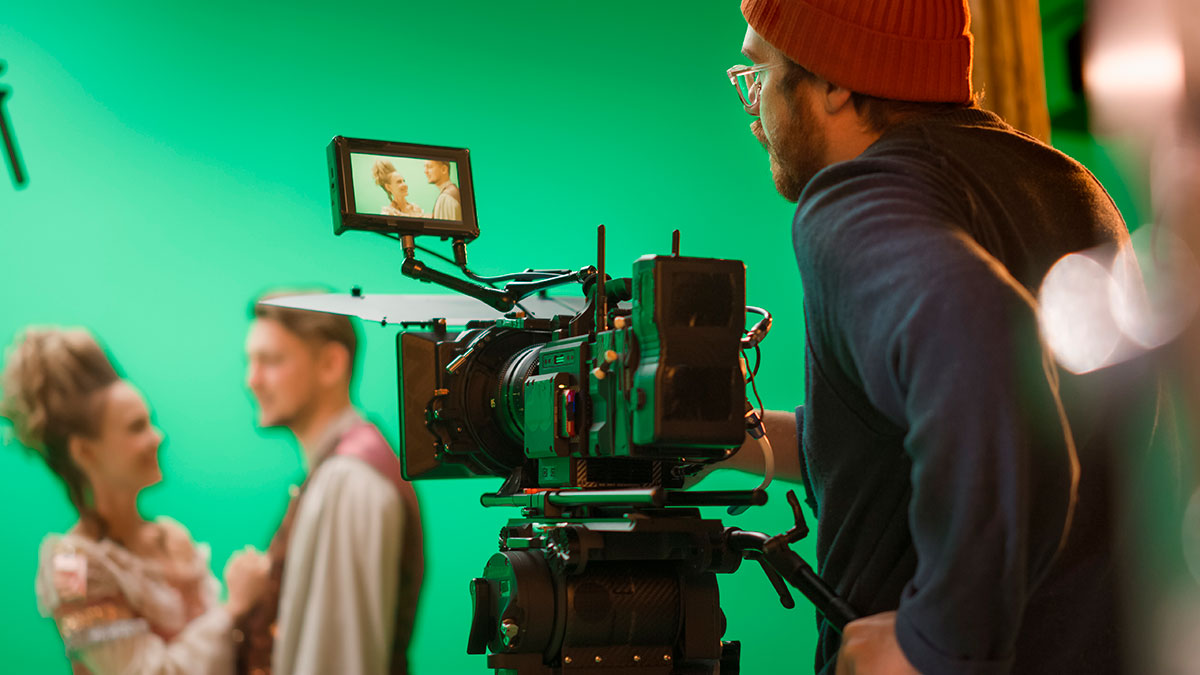
The Mindset Shift: Why You Don't Need Film School
Let's address the fear immediately. Film school offers structure, equipment, and networking. These are valuable. But they are not magic. What film school truly offers is permission to call yourself a filmmaker. You must grant yourself that permission instead.
Robert Rodriguez famously made his first feature film "El Mariachi" for seven thousand dollars, much of it raised through participating in a medical research study. He did not wait for permission. He did not wait for the right equipment. He used what he had. That film won the Audience Award at the Sundance Film Festival and launched his career .
The question is not whether you can afford film school. The question is whether you can afford to wait. The tools for learning are free. The education is available. You simply need the discipline to pursue it.
Phase One: The Reading List That Actually Teaches You the Craft
Books remain the most efficient way to learn filmmaking fundamentals. Unlike YouTube tutorials that bounce between topics, books provide structured, comprehensive knowledge that builds systematically. These are the essential texts that working professionals actually use.
The Technical Foundation
"Film Directing Shot by Shot" by Steven D. Katz belongs in every filmmaker's library. This book provides a unique combination of story analysis and visual strategies, illustrating concepts with actual storyboards used in professional productions. With over eight hundred photos and illustrations, it walks you through the directing processes of celebrated filmmakers including a meticulous analysis of Steven Spielberg's scene design for "Empire of the Sun." Katz explains the concept of A, I, and L patterns, simplified staging choices that professional directors use to block scenes effectively .
"The Set Lighting Technician's Handbook" by Harry C. Box is exactly what it sounds like: the comprehensive guide to lighting that working technicians carry on set. The book covers everything from crew roles and responsibilities to specific light packages, electrical rigging, and practical lighting methods. Each new edition adds the latest technology, ensuring you learn current industry practice .
"The Grip Book" by Michael G. Uva serves as both a learning tool and a field reference. It clearly illustrates all equipment used by motion picture technicians on stage and on location, with set photos showing exactly how equipment is used in real productions. The book includes essential safety tips and explains "grip tricks" like leveling dolly tracks and set etiquette .
"The American Cinematographer Manual" published by the American Society of Cinematographers is the authoritative technical reference that professionals consult. The latest edition covers IMAX and large format cinematography, ASC color decision workflows, and the color science behind modern lighting. This is not a casual read, it is the textbook of the craft .
Color and Visual Storytelling
"Color Correction Handbook" by Alexis Van Hurkman is essential for anyone who will touch their footage in post production. Written in accessible language with real world examples, it teaches both basic correction methods and advanced creative stylizations. Understanding color science separates amateurs from professionals .
The VFX Perspective
"The VES Handbook of Visual Effects" edited by Jeffrey Okun and Susan Zwerman remains the most complete technical guide to contemporary visual effects. Even if you do not plan to create VFX, understanding the pipeline helps you direct effectively and communicate with post production teams .
The Creative Producing Angle
"The Creative Producing Handbook" by Katherine Beyda, written by the head of physical production at New Line Cinema, provides a detailed overview of the entire filmmaking process from script development through release. It explains scheduling, location decisions, incentives, budgeting, union rules, clearances, visual effects, post production, music, marketing, and publicity. The book includes actual assignments that teach you to formulate a production plan you can use to pitch projects .

Phase Two: The Films You Must Study Frame by Frame
Watching films for education differs completely from watching for entertainment. You are not watching to be moved. You are watching to understand how the movement was created. These films represent essential education, each offering specific lessons.
The Foundations
"Citizen Kane" (1941) directed by Orson Welles remains essential despite its age because it invented techniques we now take for granted. Welles was just twenty five years old when he directed, co wrote, produced, and starred in this groundbreaking film. Study its innovative camera angles, deep focus techniques where foreground and background remain equally sharp, and non linear narrative structure. Pay attention to the lighting, the contrast between light and shadow creates mood and guides your eye exactly where Welles intended. Notice how information is revealed through camera movement rather than dialogue and how creative transitions between scenes still influence filmmakers today .
"A Trip to the Moon" (1902) directed by Georges Méliès runs only thirteen minutes but contains the entire history of cinematic imagination. Méliès, a magician, used practical effects and camera tricks to create a world that did not exist. Watch for stop motion, multiple exposures, and dissolves, techniques Méliès pioneered that filmmakers still use. The film proves that storytelling does not require modern equipment, only imagination .
"Rashomon" (1950) directed by Akira Kurosawa tells the same story from four different perspectives, challenging you to question what truth means. Study how camera angles, lighting, and acting change subtly with each retelling. The film's inventive cinematography includes groundbreaking shots filming directly into the sun. Pay attention to the framing devices and the story within a story structure, techniques that can inspire your own narrative approaches .
The Modern Masters
"2001: A Space Odyssey" (1968) directed by Stanley Kubrick tells a complex story spanning human evolution with minimal dialogue. Only eighty eight minutes of dialogue exist in its two hour twenty nine minute runtime, with nearly half appearing in the first twenty five minutes. Study how Kubrick tells story through images, how he uses sound and silence, and how the deliberate pacing controls audience expectations. The famous match cut from a bone to a space station remains one of cinema's most studied transitions .
"The Godfather" (1972) directed by Francis Ford Coppola offers a masterclass in character development and storytelling. Study the lighting and framing, how shadows create mood and emphasize power dynamics. Notice the deliberate pacing that builds tension gradually through conversations and quiet moments. The subtle performances communicate volumes without excessive dialogue. Camera movement is always deliberate and meaningful, positioning affects how audiences perceive characters and their relationships .
"Pulp Fiction" (1994) directed by Quentin Tarantino revolutionized independent cinema with its non linear narrative and sharp dialogue. Study the screenplay structure, how scenes unfold and connect in unexpected ways. Pay attention to the seemingly ordinary dialogue that becomes extraordinary with delivery and context. Notice how Tarantino builds tension and creates memorable moments without relying on special effects, proving that compelling characters and dialogue can be more powerful than big budgets .
"Children of Men" (2006) directed by Alfonso Cuarón serves as a masterclass in technical filmmaking. Its extraordinary long takes and single shot sequences create intense immersion. The famous six minute battle sequence took twelve days to prepare and rehearse. Study how Cuarón uses background details to build his world without explaining directly. Notice how the film feels grounded despite its futuristic premise and how cinematographer Emmanuel Lubezki uses camera movement to create emotion without relying on dialogue .
Phase Three: The Filmmakers Who Will Teach You Through Their Work
Beyond individual films, studying the careers of specific directors reveals consistent approaches and evolving techniques.
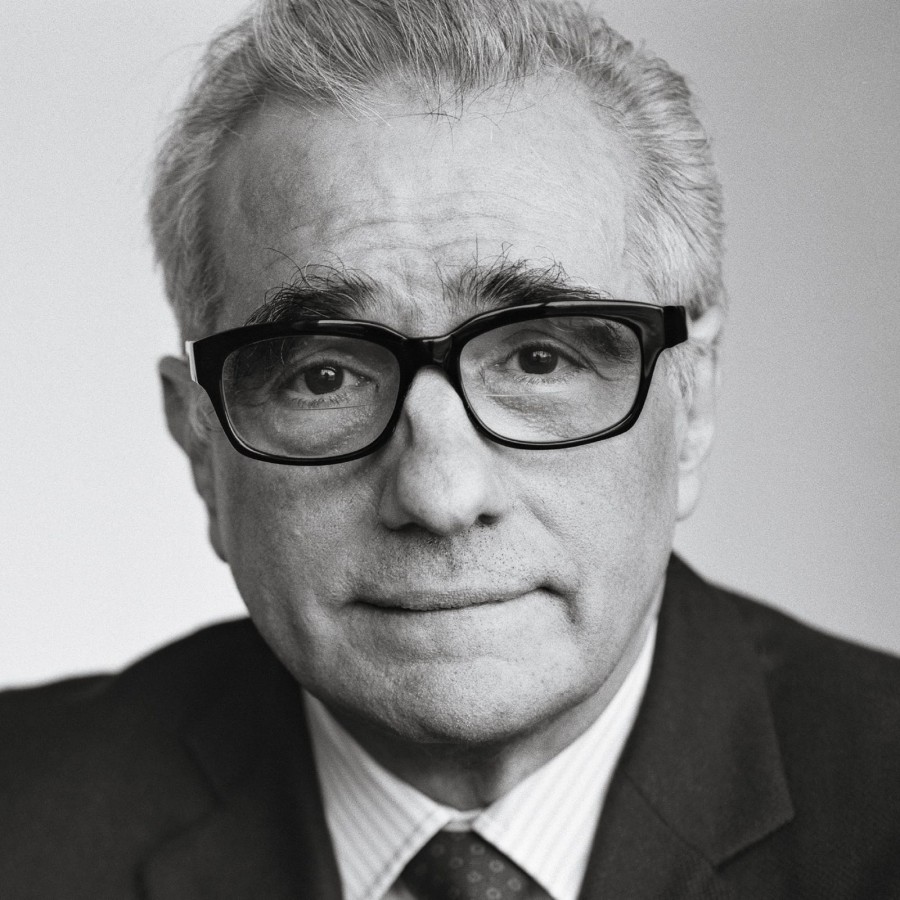
Martin Scorsese demonstrates how to create emotionally driven characters and tell raw, unfiltered stories. His films like "Goodfellas," "Raging Bull," and "Taxi Driver" master the art of making flawed characters relatable. Pay attention to his use of music, his collaborations with actors, and how he captures the gritty side of life. Notice how he builds tension in scenes and resolves them without losing emotional impact .
Steven Spielberg shows how to blend human emotion with awe inspiring spectacle. From "E.T." to "Jurassic Park" to "Schindler's List," he proves that you can tell deeply human stories even in fantastical settings. Study his camera movements, particularly the iconic "Spielberg face" shot where a character reacts to something off screen, and his use of music to evoke emotion .
Quentin Tarantino demonstrates the power of developing a unique voice. His nonlinear storytelling, hyper stylized violence, and pop culture laden dialogue make his films unmistakably his. Study how he develops a distinctive style that audiences recognize instantly .
Stanley Kubrick teaches meticulous attention to detail and philosophical depth. His films reveal new layers with every viewing because he was heavily involved in all aspects of production. Study his use of symmetry and deliberate composition to create striking, thought provoking images .
Alfred Hitchcock, the "Master of Suspense," revolutionized the thriller genre with pioneering visual storytelling. Films like "Psycho" and "Rear Window" demonstrate how to build tension and surprise audiences. Study his use of the "Hitchcock zoom" to heighten tension and how ordinary individuals caught in extraordinary situations create suspense .
Ava DuVernay proves that films can entertain while challenging societal norms. Her works like "Selma" and the documentary "13th" demonstrate how to bring activism into storytelling. Study her use of visuals to convey themes of strength, resilience, and justice .
Greta Gerwig demonstrates how to tell deeply personal stories with nuance and layered characters. With "Lady Bird" and "Little Women," study how she blends humor and drama in single scenes and creates authentic emotional connections .
Christopher Nolan teaches how to play with time, space, and perception without sacrificing commercial appeal. Films like "Inception," "Interstellar," and "The Dark Knight" demonstrate cerebral storytelling that reaches mass audiences. Pay attention to how he reveals information and builds suspense through structure .
Kathryn Bigelow, the first woman to win the Oscar for Best Director, demonstrates how to combine intense action with deep psychological themes. Her work across genres shows how consistent thematic concerns can unite diverse projects .
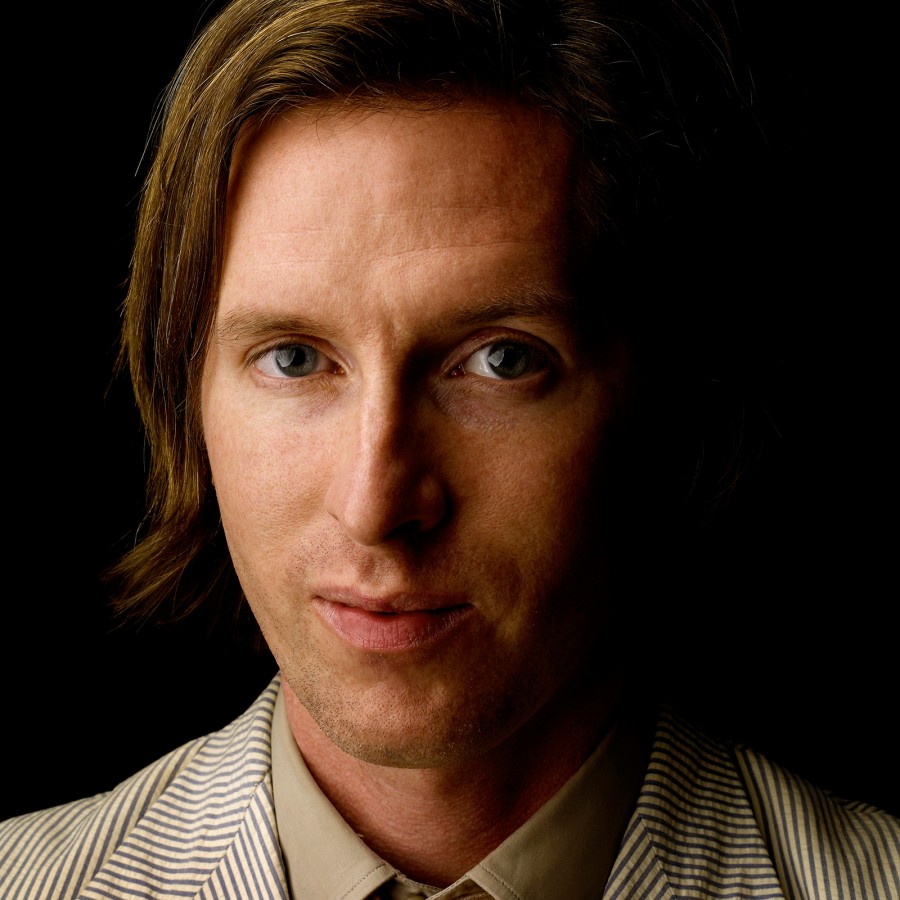
Wes Anderson
Phase Four: How to Actually Watch for Education
You cannot learn by passive viewing. You must watch with intention.
Watch each film multiple times. The first viewing is for story. The second is for craft. The third is for specific elements, lighting one time, editing another, sound design another.
Take notes. Write down what you notice. What shots made you feel something How did the director achieve that feeling What would you have done differently
Read interviews and essays. Understanding the creative process behind the film provides context you cannot get from the screen alone. YouTube channels like "Inside the Actors Studio" and series like "Scene By Scene with Mark Cousins" feature directors discussing their creative and technical decisions in detail .
Read screenplays. Websites like Simply Scripts and Script Slug offer free access to film scripts. Reading them helps you understand storytelling structure at the page level before it becomes images .
Phase Five: Building Skills Without Building Debt
Education without practice teaches nothing. You must create.
Start with your phone. A good smartphone is enough to begin. Use it to shoot short clips. Experiment with angles, lighting, and editing. Recreate scenes from your favorite movies to understand how they were made. This is not cheating, it is how painters learn by copying masters .
Learn the software. DaVinci Resolve offers a completely free version that rivals professional editing suites costing thousands. It is a powerhouse editor and color grading tool used by working professionals. Master it and you have a professional skill .
Understand sound immediately. Clean dialogue, layered effects, and atmospheric audio separate professionals from amateurs. Bad sound ruins good footage. Good sound elevates mediocre footage. Pay attention to audio from your first project .
Build gradually. When you are ready to invest in equipment, consider budget options. The Sony ZV-E10 or used Lumix G85 can be found under one thousand dollars. A Rode VideoMic GO II provides decent audio. Neewer LED kits offer affordable lighting. But remember: Paranormal Activity was shot on a Sony FX1 that can be found used for three hundred dollars. Great equipment cannot save a bad story .
Phase Six: Building Your Portfolio and Finding Work
No one will hire you without seeing what you can do. You must create evidence of your abilities.
Start with passion projects. Shoot something personal that shows your style. This becomes the core of your portfolio .
Create spec ads. Film branded style content without a client. Shoot a fake commercial for a coffee shop or sneaker brand. Make it look professional. Post it with punchy descriptions. This is how one freelancer landed a Netflix documentary, by creating work that demonstrated capability before anyone paid for it .
Collaborate with other creatives. Musicians need music videos. Photographers need moving image work. Designers need content for their portfolios. Offer to collaborate, pooling resources and skills .
Volunteer strategically. Film events for charities, schools, or nonprofits. You build footage, help good causes, and demonstrate your ability to deliver .
Join online communities. Facebook groups, Discord servers, and Reddit threads connect you with other filmmakers. Ask questions. Offer value. People remember someone who helps .
Attend local events. Film festivals, business expos, and community gatherings put you in rooms with potential clients and collaborators. Shake hands. Hand out cards. Let people know you are the filmmaker in town .
What You Can Expect to Earn
Freelance filmmakers typically charge between thirty five and one hundred fifty dollars per hour depending on niche and experience. Wedding videography ranges from forty to seventy five dollars hourly. Corporate and brand videos command fifty to one hundred dollars hourly. Music videos run thirty five to seventy five dollars hourly .
The path forward is clear. One filmmaker describes starting with a five hundred dollar wedding video. After three weddings, they booked a booth at a wedding show, took ten two hundred dollar retainers, and put two thousand dollars in pocket. They did twenty weddings at twelve hundred dollars each and made twenty four thousand dollars that summer. The next year they did ten weddings at thirty five hundred dollars each with less demanding clients, then added corporate work and quickly earned six figures .
The Only Thing Missing
You now have the reading list. You have the film list. You have the filmmaker list. You have the practical steps. You have the tools and the path.
The only thing missing is your decision to start.
Quentin Tarantino started by working wherever he could, paying dues on student films and indie sets. Ava DuVernay taught herself on weekends while working full time. Robert Rodriguez turned seven thousand dollars into a Sundance award.
Your first film will not win an Oscar. You will make mistakes. Every flop teaches you something valuable. Review your work honestly. What worked What did not Take constructive criticism without losing confidence .
The icons you admire had humble beginnings. They started exactly where you are, with a dream and a determination to bring it to life.
What is stopping you Grab your phone. Jot down that story idea. Start filming .
Your career is waiting.
Have a project behind the idea?
I work on websites, branding and film. If you need help turning your next idea into something people can see and use, tell me what you have in mind.
What did you think?
A thought, a different perspective, a little appreciation. You’re welcome here.
.png)