Akira Kurosawa and the Weight of a Human Choice
A battle can be impressive and still mean very little. People move. Weapons strike. The camera follows. But if I do not understand what is at stake for the people inside the frame, all that movement passes through me.
Akira Kurosawa gives us a different invitation. Look at the action. Then look at the decision that made the action necessary.
The Japanese director's work moves between historical stories and contemporary life. Across that range, I find a continuing interest in how people behave when their usual protections disappear. A reputation. A job. A social position. The comfortable belief that we understand what happened.
This is a director worth studying for the relationship between scale and feeling. The large event and the small human choice can belong to the same image.

Seven People and a Village
Seven Samurai, released in 1954, follows a farming village that hires seven samurai to defend it against bandits. The situation has an immediate dramatic clarity. People need help. Other people can provide it. Working together is much harder than agreeing that help is necessary.
For me, the film's force comes from that difficulty. A group is never just a collection of skills. It is also a collection of fears, habits and assumptions about status. The defence of the village becomes a test of whether those differences can be held together.
The BFI's account of Kurosawa's work highlights his use of multiple cameras for battle sequences and the importance of landscapes and weather. I read those choices as a way of making the environment participate in the drama. Conditions matter. Bodies have to struggle inside them.
What Did We Actually See?
Rashomon, released in 1950, presents conflicting accounts of a crime. It won the Golden Lion at Venice in 1951.
The premise is still unsettling. Hearing an account is not the same as possessing the truth. A person may be explaining an event and protecting an image of themselves at the same time.
I like how this opens a question for cinema itself. A scene feels authoritative because we can see it. But seeing a version does not guarantee that the version deserves our trust. The image can be part of the uncertainty.

The Quiet Urgency of Ikiru
Ikiru, released in 1952, centres on a civil servant played by Takashi Shimura who learns that he has cancer. His search for meaning leads towards a public project, a playground.
There is something deeply practical about that idea. Meaning can take the form of work that somebody else will use. It does not have to arrive as a perfect speech or a grand revelation.
My reading is that Ikiru gives time a different weight. An ordinary administrative decision can become urgent when a person finally understands that postponement has a cost.
What I Would Take into a Film
I would begin with Seven Samurai for its collective drama, Rashomon for its uncertainty and Ikiru for its attention to a single life.
As a filmmaker, the lesson I take from that combination is simple. Make the choice matter before making the image impressive. If the audience understands the choice, a face, a patch of rain or a room can carry enormous weight.
Kurosawa's work reminds me that cinema can ask a difficult moral question without becoming an abstract discussion. It can place the question in a body. In a landscape. In the next thing a person decides to do.
Sources and Image Credits
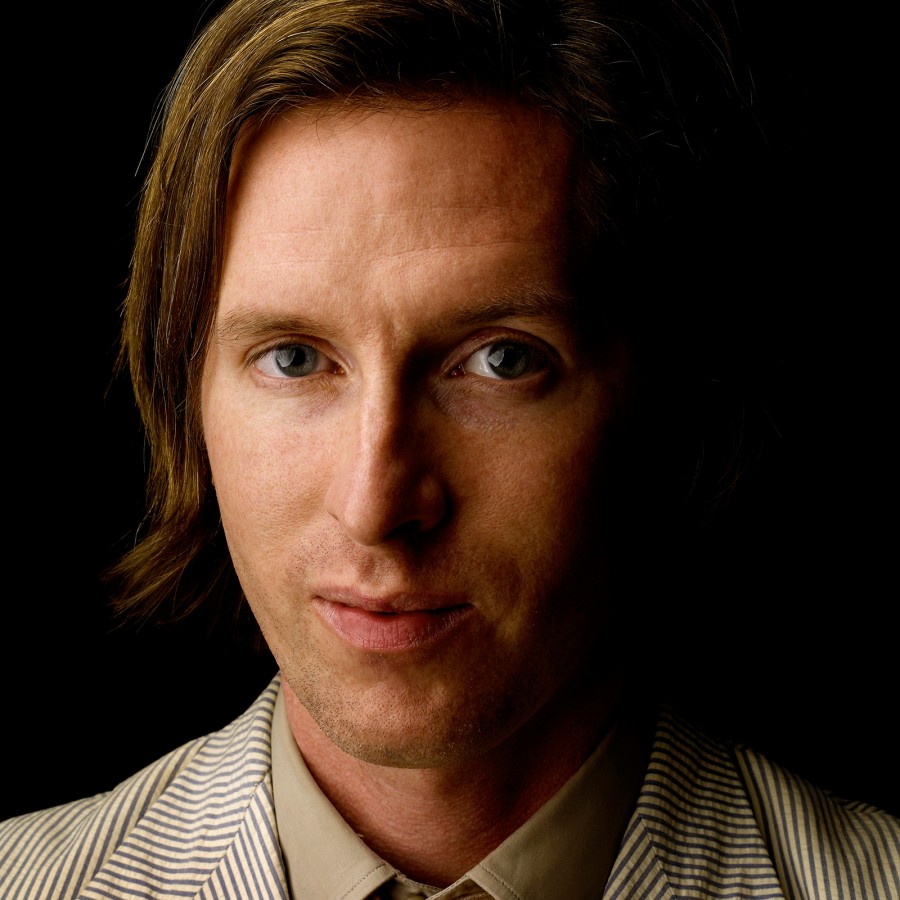
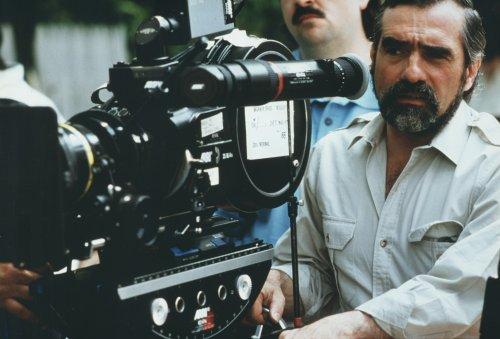
Kurosawa photograph via the BFI essential films feature. Seven Samurai still via BFI, credited there to Toho Co. Ltd.
References and Image Credits
Film titles, dates, plot details and career landmarks were checked against the sources below. The critical readings in this article are interpretations, rather than statements of a filmmaker's intention.
Kurosawa photograph via the BFI essential films feature. Seven Samurai still via BFI, credited there to Toho Co. Ltd.
What did you think?
A thought, a different perspective, a little appreciation. You’re welcome here.

.png)