Martin Scorsese and the Trouble Beneath the Surface
A character walks into a room convinced he understands the world. He knows the rules. He knows the people. He knows how to survive. Then something small happens, and you realise his confidence is the most dangerous thing about him.
That is the part of Martin Scorsese's cinema I want to talk about. The moment when certainty begins to crack.
The American director emerged during New Hollywood, but the label only tells us where to place him on a timeline. What interests me is the tension inside the films. Desire and responsibility. Pride and shame. People who want to control everything, including the story they tell themselves.
For me, a Scorsese film becomes most compelling when the character's explanation stops being enough.
The Street and the Conscience
Mean Streets, released in 1973, brings that tension into a world of small time crime. Harvey Keitel plays Charlie. Robert De Niro plays Johnny Boy. Friendship, obligation and reckless behaviour pull them towards trouble.
My reading is that the energy of the film matters because it makes belonging feel attractive. You understand the pull of the room before you start measuring the danger. That creates a difficult position for the viewer. We can recognise a world without agreeing with it.
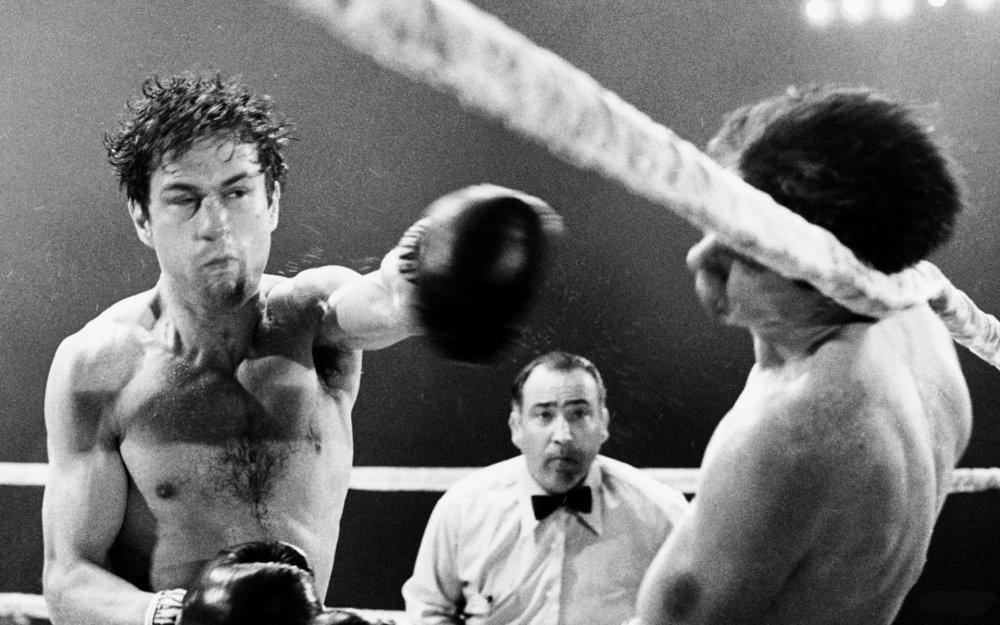
Raging Bull, released in 1980, follows boxer Jake LaMotta. De Niro's performance sits at the centre of a story shaped by anger and the damage it causes to the people around him.
What I find valuable here is the distance between physical strength and emotional control. A person can dominate one space and still be helpless in another. The boxing ring makes that contradiction visible. The real conflict continues when the fight has ended.
Movement Has a Meaning
Scorsese's cinema is often discussed through its intensity. I think the useful question is what that intensity does to our relationship with a character.
A moving camera can make access feel like a privilege. A sudden change in rhythm can take that privilege away. In my reading, the excitement is part of the moral problem. We are invited closer, and then asked to examine what brought us there.
That is something filmmakers can learn from without copying a shot. Decide what the audience should feel about entering a space. Then decide when that feeling should change.
Making Films and Keeping Films Alive
There is another side of Scorsese's work that deserves attention. On May 1, 1990, he joined fellow directors in announcing The Film Foundation. Its stated purpose was to help preserve film heritage through cooperation with archives, fundraising and public awareness.
The foundation's original announcement describes preservation as a responsibility filmmakers have towards earlier work and future viewers. That idea matters to me. Cinema has a memory, but that memory needs people willing to care for it.
A film cannot influence someone if the material has disappeared. Access is part of the art's future.
A Final Thought
I would start with Mean Streets, then move to Raging Bull. Watch the characters closely. Watch the difference between what they say they want and what their actions do.
My reason for returning to this work is not simply that the images are strong. It is that the images keep asking uncomfortable questions. How much of a person's identity is a performance? When does loyalty become an excuse? What remains when the performance finally fails?
Those questions are bigger than a genre. And that is where Scorsese's cinema keeps its power.
Sources and Image Credits
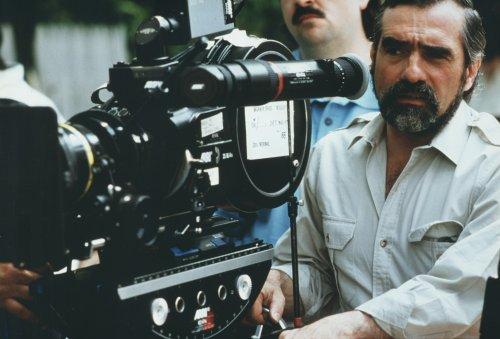
Director photograph and Raging Bull still reproduced for this critical profile from the BFI director guide. Original image rights remain with their respective holders.
What did you think?
A thought, a different perspective, a little appreciation. You’re welcome here.

.png)