Youssef Chahine and a Cinema That Refuses to Sit Still
Some filmmakers make a world feel stable. Youssef Chahine makes me think about everything moving inside it.
Desire. Work. Politics. Memory. The need to belong, and the need to get away.
The Egyptian director was born in Alexandria, and his work carries a range of forms that resists a simple label. Melodrama, musical energy, social conflict and personal history can all enter the same conversation.
That is what makes him interesting to me as a filmmaker. Style does not have to mean using the same emotional temperature in every scene. It can mean finding a recognisable way of bringing different forces into contact.
With Chahine, I want to look at what happens when a private feeling becomes impossible to separate from the world around it.

The Station as a Whole World
In Cairo Station, released in 1958, Chahine himself plays a newspaper seller. The film places desire and violence amid the daily activity of a railway station, including the lives and organising efforts of its workers.
I find the setting especially useful to think about. A station is a place of departures, but many of the people working there remain. Other people's movement becomes the background to their own unfinished lives.
My reading is that this gives the film's personal tension a public setting. A character's longing does not happen in an empty space. It presses against work, class and the presence of other people.
People and the Land Beneath Them
The Land, released in 1969, brings rural life and the struggle of farmers into the centre of the drama. The BFI's discussion of Chahine's style draws attention to landscapes, light and the relationship between people and their surroundings.
For me, that relationship is the important filmmaking question. A landscape can be beautiful and still represent an unequal distribution of power. Who works it Who decides what happens to it Who is allowed to remain
The image gains another meaning when we ask those questions. Beauty becomes part of the conflict rather than a break from it.
The Personal Enters the Picture
Alexandria... Why?, released in 1979, and An Egyptian Story, released in 1982, form part of Chahine's autobiographical cinema. The latter brings a heart operation into a story that mixes personal reflection with political and cinematic memory.
I read that mixture as a refusal to pretend that a filmmaker exists outside history. A life is shaped by images, institutions, places and pressures. Personal cinema can acknowledge those connections instead of closing the door on them.

Energy Is More Than Decoration
Chahine studied at the Pasadena Playhouse, and the BFI identifies Hollywood melodrama and musicals among the influences on his work. In 1997, Cannes awarded him its 50th Anniversary Prize.
Those details help locate the career, but they do not replace the experience of its movement. My interest is in how a change of register can reveal something a more uniform film would hide.
A musical impulse can express longing. A close view of a face can interrupt spectacle. A crowded setting can make an apparently personal argument feel social.
A Final Thought
I would begin with Cairo Station, then The Land. Together, they offer a useful way into the relationship between emotion and environment.
The lesson I take from Chahine is to let the film have more than one source of energy. People do not experience life in a single genre. They can be frightened, theatrical, proud and vulnerable within the same conversation.
A cinema capable of holding those contradictions feels alive to me. Restless. Difficult to reduce. Still moving after the scene has ended.
Sources and Image Credits
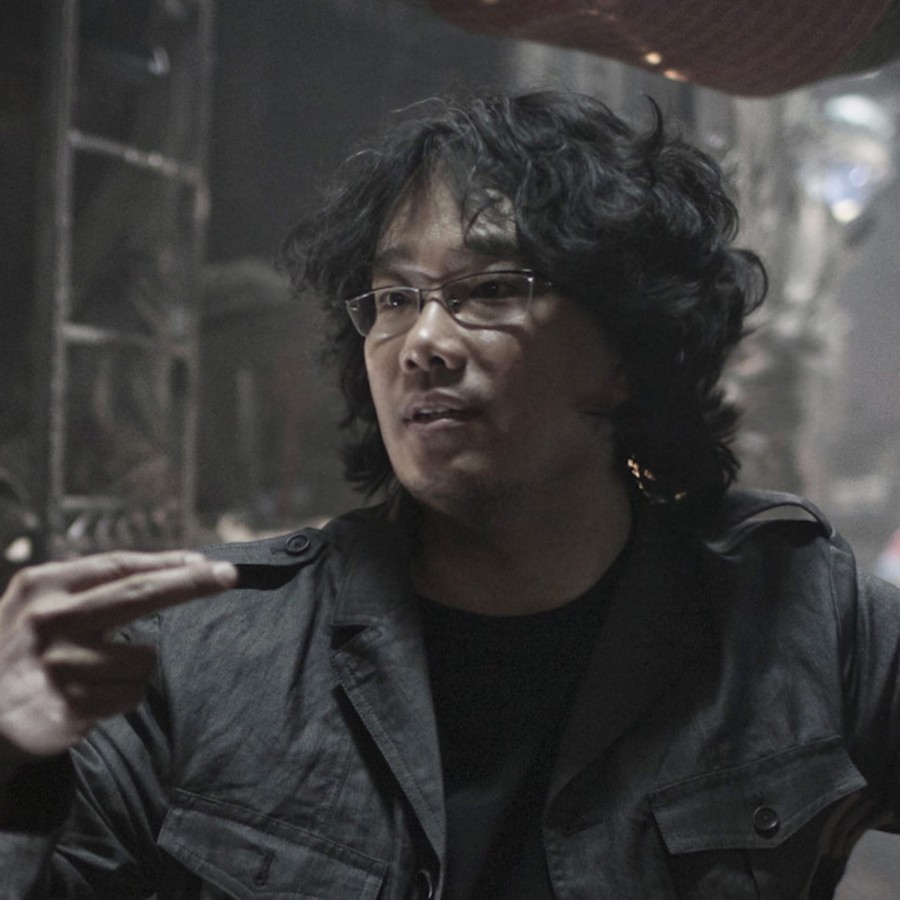
Chahine interview photograph uploaded by Mblegacy to Wikimedia Commons under CC0, photographer listed as unknown. The Land still via BFI. Film image rights remain with their holders.
References and Image Credits
Film titles, dates, plot details and career landmarks were checked against the sources below. The critical readings in this article are interpretations, rather than statements of a filmmaker's intention.
Chahine interview photograph uploaded by Mblegacy to Wikimedia Commons under CC0, photographer listed as unknown. The Land still via BFI. Film image rights remain with their holders.
Have a project behind the idea?
I work on websites, branding and film. If you need help turning your next idea into something people can see and use, tell me what you have in mind.
What did you think?
A thought, a different perspective, a little appreciation. You’re welcome here.