Bong Joon-ho’s Film Wish List, from The 400 Blows to Being John Malkovich
There is a useful honesty in Bong Joon-ho’s list. Criterion asked him to name favourite titles from its collection, and he said he had ended up writing a wish list of Blu-rays he wanted to own. He found choosing only ten difficult.
So this is not a definitive ranking of the films he loves most in the world. It is an invited selection shaped by a collector’s appetite, with a few notes that reveal the kind of cinema he wants to return to.
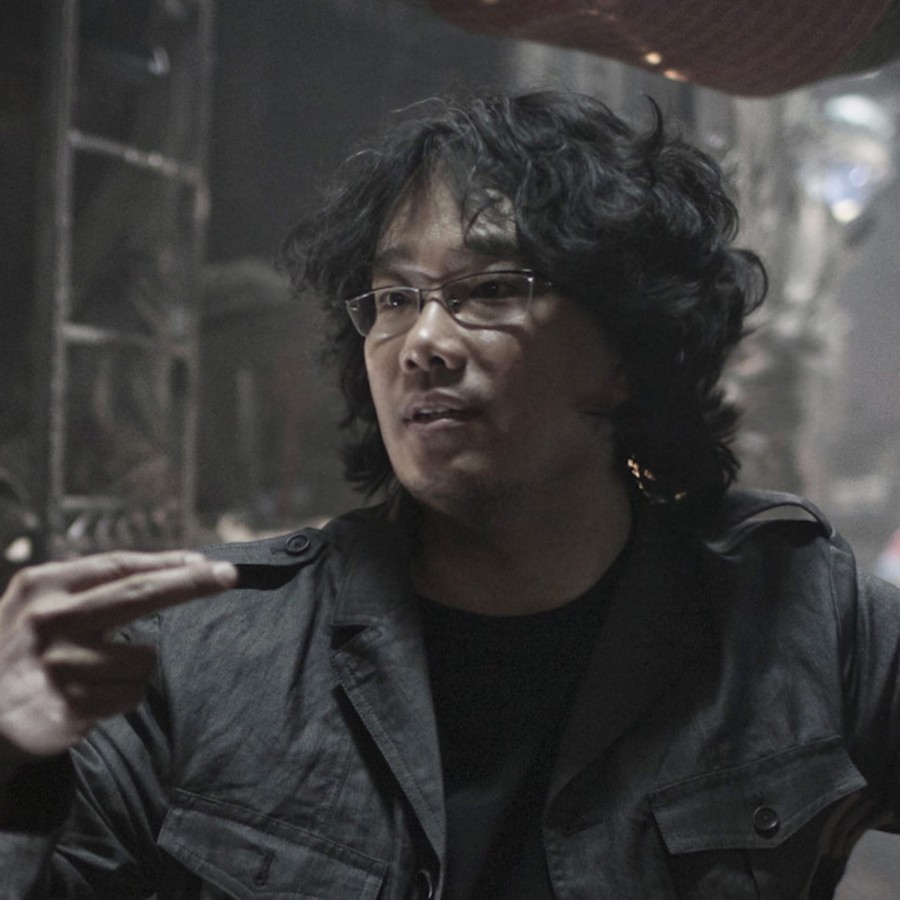
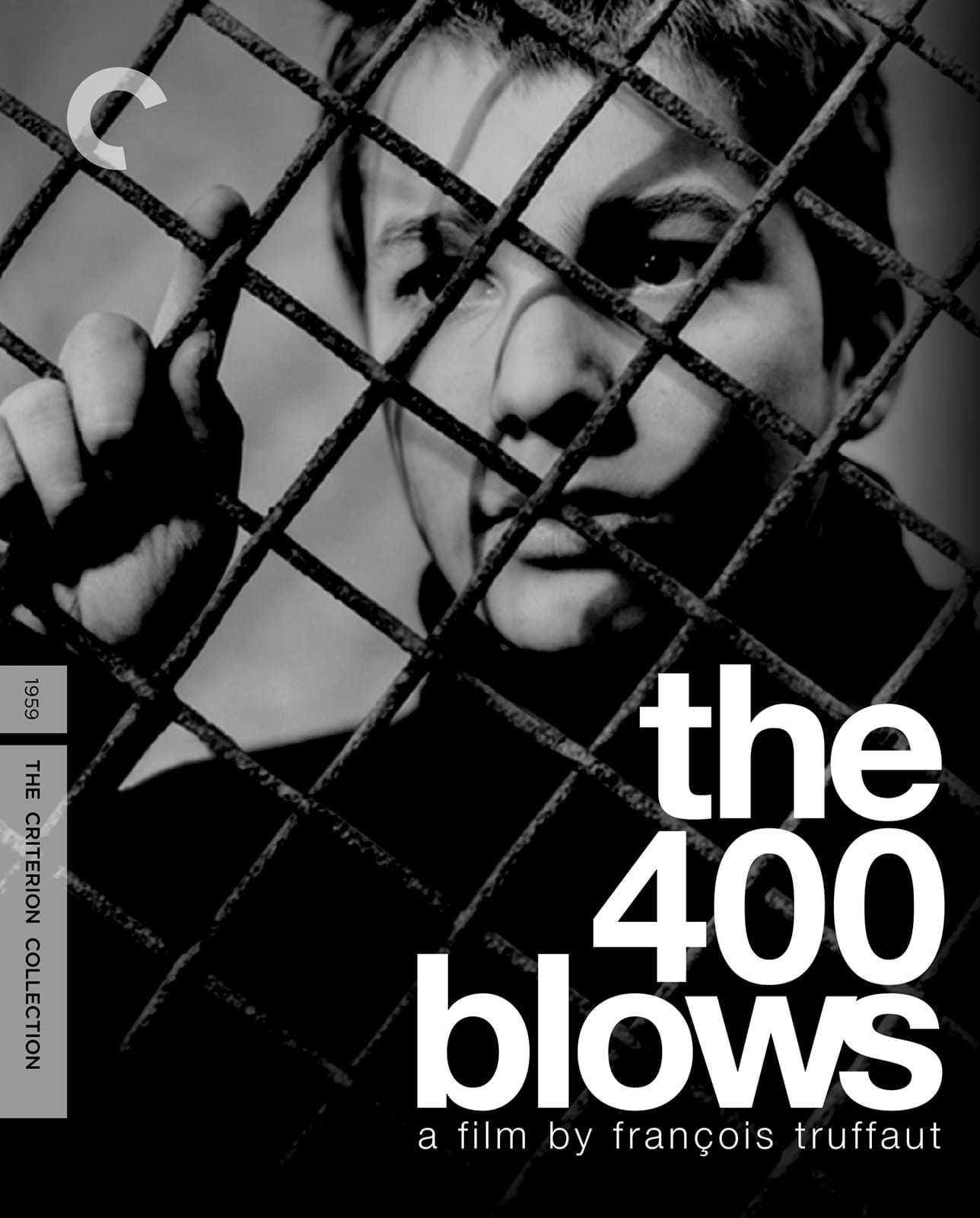
1. The 400 Blows (François Truffaut, 1959)
Antoine Doinel, a boy neglected at home and misunderstood at school, drifts toward small acts of rebellion. Bong calls it a beautiful debut. Its compassion for a child who does not know how to ask for help gives the film its lasting tenderness.
2. Fanny and Alexander: Theatrical Version (Ingmar Bergman, 1982)
Through a brother and sister’s childhood, Bergman moves from a warm theatrical household into grief, adult power and the refuge of imagination. Bong praises its ending and the beauty of the film itself. This version is the shorter theatrical cut, distinct from the longer television version.
3. The Ballad of Narayama (Keisuke Kinoshita, 1958)
In a mountain village, an elderly woman prepares to follow the custom of being taken to a remote mountain when she reaches a certain age. Kinoshita’s vivid colour and staged compositions make the village feel like a world with its own rules. Bong says he wants to compare it with two other films on the same subject.
4. Things to Come (William Cameron Menzies, 1936)
H. G. Wells’s story looks across generations of war and reconstruction toward a technologically ambitious future. Its striking production design gives abstract ideas a physical world. Bong connects the film to the science-fiction novels he loved when he was young.
5. Lola Montès (Max Ophuls, 1955)
The life of the celebrated dancer and courtesan is staged as a circus attraction, with memories appearing inside the ringmaster’s show. Ophuls turns biography into a dizzying spectacle about fame and the public appetite for a woman’s past. Bong’s entire note is brief: “It’s Max Ophüls!”
6. Nashville (Robert Altman, 1975)
Musicians, campaign workers and locals cross paths over several days in Tennessee. Altman’s overlapping ensemble makes private ambitions and public performance part of the same texture. Bong calls it the strongest of the “tapestry films,” praising the way so many lives can share one frame.
7. Life Is Sweet (Mike Leigh, 1990)
A working-class family navigates the frustrations and small hopes of everyday life. Leigh lets character emerge through ordinary conversation, conflict and comic embarrassment. Bong’s note is simple and revealing: the people in Leigh’s films feel vividly alive.
8. The Man Who Fell to Earth (Nicolas Roeg, 1976)
An alien arrives on Earth seeking water for his home planet and becomes entangled in fame, business and addiction. Roeg fragments time and perspective, making the story feel as dislocated as its central character. Bong praises the freshness and youthfulness he finds in Roeg’s work.
9. Rushmore (Wes Anderson, 1998)
Max Fischer, a fiercely ambitious student at an elite school, falls for a teacher and finds an unlikely ally in a wealthy parent. Anderson’s precise comedy is held together by an unexpectedly sincere portrait of loneliness. Bong describes the director’s films as strange and endearing.
10. Being John Malkovich (Spike Jonze, 1999)
A puppeteer discovers a hidden passage that lets people enter the mind of actor John Malkovich for a short time. The high-concept premise becomes a sly story about identity, desire and the wish to occupy another person’s life. Bong says a brief meeting with Jonze left him wanting to explore the filmmaker’s mind.
What a wish list can tell us
These ten titles move from childhood to historical fantasy, from social observation to formal experiment. They do not point to one tidy formula for Bong’s own work. They show a filmmaker drawn to bold worlds, vivid people and directors who make the image itself part of the idea.
And perhaps the word “wish list” is the perfect ending. A favourite film is not always something we have already solved. Sometimes it is a film we want to see again, in a new edition, with more to notice.
Sources and further reading
- The Criterion Collection: Bong Joon-ho’s Top 10
- List artwork, The Criterion Collection
- Film image, The Criterion Collection
Selection and film details checked against the cited Criterion Collection source on October 5, 2026. Film artworks remain the property of their respective rights holders.
Have a project behind the idea?
I work on websites, branding and film. If you need help turning your next idea into something people can see and use, tell me what you have in mind.
What did you think?
A thought, a different perspective, a little appreciation. You’re welcome here.