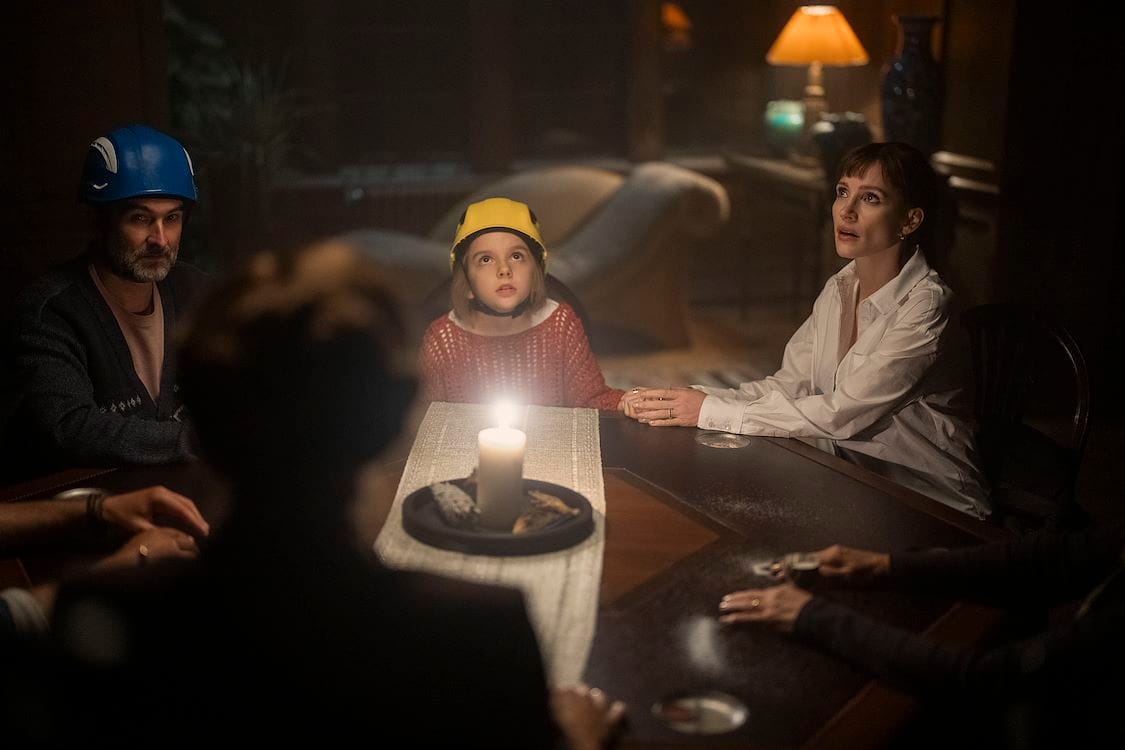
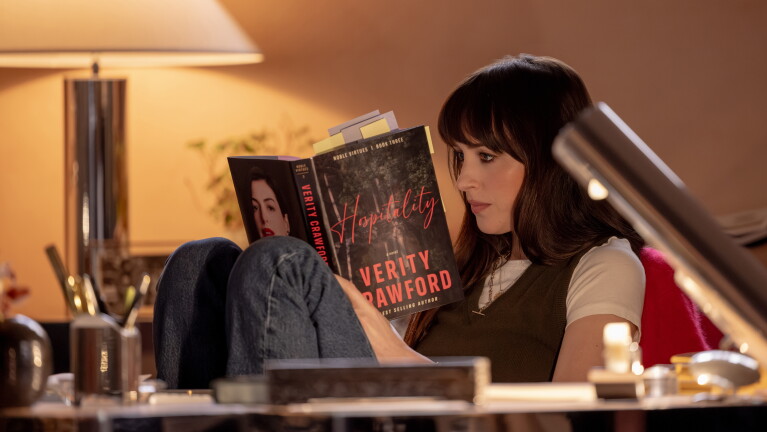
Rian Johnson’s Ten Favourite Criterion Films, from 8½ to Down by Law
Rian Johnson’s list begins with a film he says might be his favourite, then moves through a collage of comedy, illusion, family memory and crime. What makes it personal is not only the selection. He explains how he found some of the films and what they made possible for him.
Criterion asked Johnson for his favourite releases. This is his own top ten from that collection, published in 2008. A list can date, as he admits in the way he talks about discovering films on laserdisc, but the excitement behind it still feels immediate.
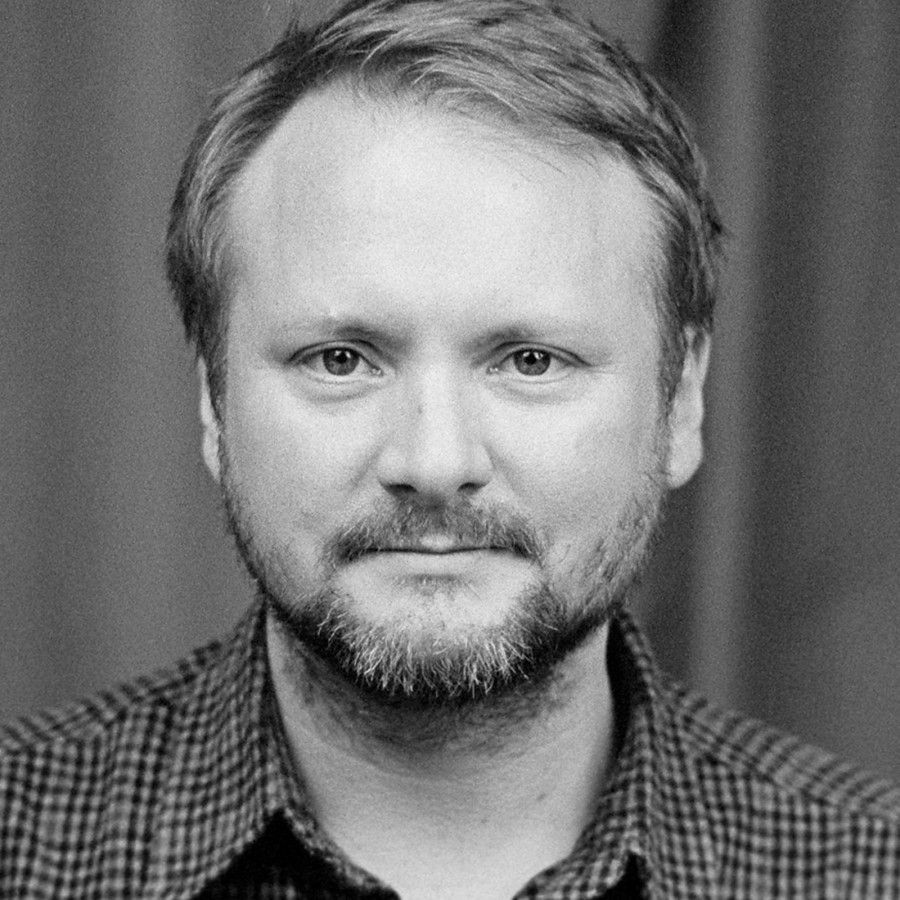
1. 8½ (Federico Fellini, 1963)
A celebrated filmmaker struggles to begin his next picture as memory, fantasy and expectation crowd his thoughts. Johnson says it changed what a film could be: formally free, yet as intricate as a novel. The selection sets the tone for a list interested in cinema thinking about itself.
2. Brazil (Terry Gilliam, 1985)
In a bureaucratic dystopia, a low-level clerk’s dream of escape becomes tangled with a system that confuses paperwork, surveillance and punishment. Johnson remembers the film’s Criterion edition as a gathering point for his student filmmaking friends. The film and the act of seeing it become part of one memory.
3. F for Fake (Orson Welles, 1973)
Welles builds a playful essay around art forger Elmyr de Hory, hoax biographer Clifford Irving and the question of who gets to decide what is authentic. Johnson describes it as a cheeky film about fakery and a joyous example of cinema as play.
4. Amarcord (Federico Fellini, 1973)
Fellini’s memories of a provincial Italian town become a comic, sensual portrait of adolescence and community under fascism. Johnson admits he finds it difficult to explain why he loves it, then offers a family connection: it was his grandfather’s favourite film.
5. Fanny and Alexander: Television Version (Ingmar Bergman, 1982)
The longer television version follows two siblings through a large family world that shifts from celebration to loss and control. Johnson calls it an adult fairy tale about the place storytelling has in our lives. Its scale gives the family’s inner worlds room to accumulate.
6. Monsieur Hulot’s Holiday (Jacques Tati, 1953)
Hulot arrives at a seaside resort and gently disrupts the carefully ordered holiday routines around him. Tati’s comedy lives in movement, sound and background detail as much as in plot. Johnson describes trying to explain the film and finding that ordinary comparisons never quite contain its effect.
7. Scenes from a Marriage (Ingmar Bergman, 1973)
Bergman’s long-form portrait of a couple moves through love, resentment, separation and return. Johnson praises its ability to be painful, perceptive and unexpectedly funny while remaining riveting. It is the list’s reminder that a conversation between two people can hold the scale of an epic.
8. The Third Man (Carol Reed, 1949)
An American writer arrives in postwar Vienna and begins investigating the death of an old friend. Reed’s expressionist shadows and damaged city turn a mystery into a moral landscape. Johnson offers almost no explanation, which is its own kind of confidence.
9. The Bad Sleep Well (Akira Kurosawa, 1960)
A young executive enters a corrupt corporation and pursues revenge for the death of his father. Kurosawa reshapes Hamlet into a contemporary corporate thriller. Johnson ranks it among Kurosawa’s strongest modern crime films, drawn to the pressure behind its polished offices.
10. Down by Law (Jim Jarmusch, 1986)
Three mismatched men end up in a Louisiana jail and later make an escape into the surrounding countryside. Jarmusch’s deadpan humour and spacious rhythms make the odd companionship as important as the plot. Johnson sees in it something like the texture of a Tom Waits song turned into cinema.
The memory inside the ranking
Johnson’s choices range widely, but they keep returning to films that let form carry feeling: a long conversation, a crooked frame, a story inside a story. His memories of how he encountered the work are part of the value of the list.
That is what I want to keep from it. A favourite is not always a verdict. Sometimes it is an invitation to remember where you were when a film first opened a door.
Sources and further reading
- The Criterion Collection: Rian Johnson’s Top 10
- List artwork, The Criterion Collection
- Film image, The Criterion Collection
Selection and film details checked against the cited Criterion Collection source on October 5, 2026. Film artworks remain the property of their respective rights holders.
Have a project behind the idea?
I work on websites, branding and film. If you need help turning your next idea into something people can see and use, tell me what you have in mind.
What did you think?
A thought, a different perspective, a little appreciation. You’re welcome here.