Celine Song’s Ten Favourite Films: Stories That Stay With Us
Celine Song’s list is full of films that remain present after they end. Some became important through a classroom, a family recommendation or a piece of theatre. Others gave her a way to think about conversation, memory and the pressure of history.
Criterion published this top ten in 2023. Song’s comments make clear that these are not abstract landmarks chosen to impress. They are works she has carried into her own creative life.

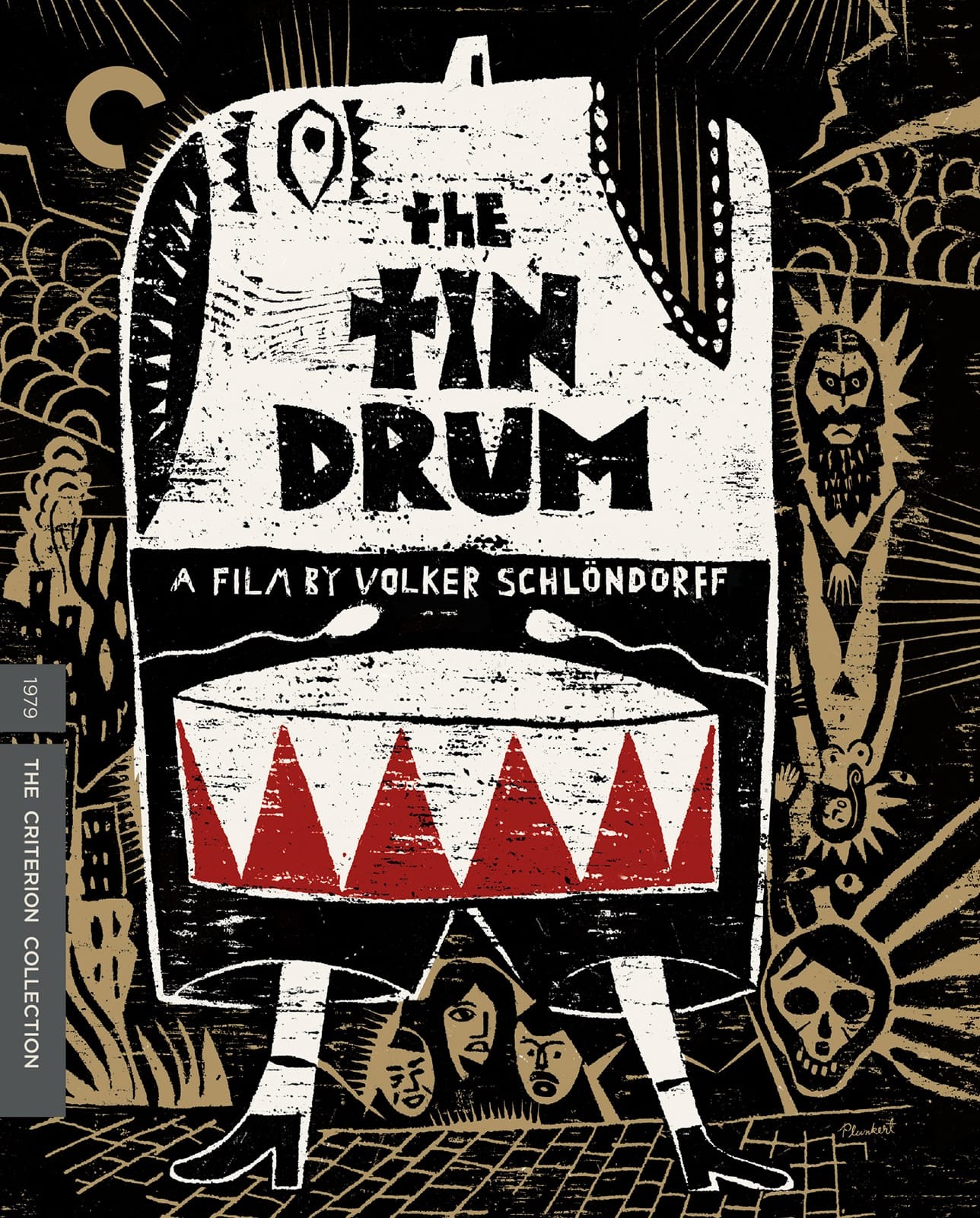
1. The Tin Drum (Volker Schlöndorff, 1979)
Oskar, a boy growing up in Nazi-era Germany, decides to stop growing and uses his tin drum to resist the adult world around him. Song first encountered the novel in college before watching the film, which her mother loved. She writes that its wartime atmosphere stayed with her as a source of fear and artistic reference.
2. My Dinner with André (Louis Malle, 1981)
Two friends meet for dinner and talk about theatre, travel, spirituality and the ordinary business of living. Song admires how a single conversation can keep turning toward unexpected intimacy. As a playwright, she is especially interested in how dialogue becomes cinematic without losing its natural movement.
3. High and Low (Akira Kurosawa, 1963)
A wealthy executive becomes involved in a kidnapping case that forces him to weigh his fortune against another family’s suffering. Kurosawa shifts from a tense room-bound moral dilemma into a detailed police investigation, making class and responsibility central to the suspense.
4. Pina (Wim Wenders, 2011)
Wenders’s documentary honours choreographer Pina Bausch through performances by the dancers of her company, filmed both onstage and in public spaces. Song’s selection draws attention to cinema as a way of recording bodies, movement and an artist’s influence on those around her.
5. The Age of Innocence (Martin Scorsese, 1993)
In nineteenth-century New York, a lawyer engaged to one woman becomes emotionally drawn to her cousin, whose independence unsettles high society. Scorsese turns manners, clothing and glances into the pressure system of a romance that cannot easily be spoken aloud.
6. Barry Lyndon (Stanley Kubrick, 1975)
An ambitious Irishman climbs through European society in the eighteenth century, gaining wealth and status while losing sight of what they cost. Kubrick’s candlelit interiors and carefully composed landscapes make the film’s visual beauty part of its reflection on class and ambition.
7. The Celebration (Thomas Vinterberg, 1998)
A family gathers for a patriarch’s birthday, and a toast brings buried abuse into the open. Vinterberg’s early Dogme film strips away polish and centres the shifting power in the room. The formal constraint intensifies the social event rather than distracting from it.
8. Howards End (James Ivory, 1992)
Three families from different social classes become connected through affection, inheritance and the question of who can belong. Ivory’s adaptation observes the ways property and privilege shape private relationships as well as public life.
9. Closely Watched Trains (Jiří Menzel, 1966)
A young railway worker in Nazi-occupied Czechoslovakia navigates his first love and an act of resistance. Menzel balances awkward comedy with the reality of occupation, letting a modest coming-of-age story open onto a larger historical danger.
10. And Everything Is Going Fine (Steven Soderbergh, 2010)
Soderbergh builds a documentary portrait of playwright Spalding Gray from archival interviews and performance footage, without adding a new narration. The film lets Gray’s own voice and presence shape a life story, an approach that resonates with Song’s interest in theatre and performance.
Stories that become part of us
Song’s list moves between forms: family drama, conversation, dance, documentary and historical fiction. What connects the choices is not one genre, but the way a film can alter the language we use to understand a feeling.
Her comments make the list feel less like a set of recommendations than a record of encounters. The films have stayed with her. That, perhaps, is the most persuasive reason to seek them out.
Sources and further reading
- The Criterion Collection: Celine Song’s Top 10
- List artwork, The Criterion Collection
- Film image, The Criterion Collection
Selection and film details checked against the cited Criterion Collection source on October 5, 2026. Film artwork remains the property of its respective rights holder.
Have a project behind the idea?
I work on websites, branding and film. If you need help turning your next idea into something people can see and use, tell me what you have in mind.
What did you think?
A thought, a different perspective, a little appreciation. You’re welcome here.