Agnès Varda and the Art of Paying Attention
There are films that seem to know everything before the first image appears. And there are films that make you feel somebody is still looking. Still listening. Still willing to be surprised.
That willingness is what draws me towards Agnès Varda.
A filmmaker associated with the French New Wave and the Left Bank, Varda also worked in photography. Her films move between fiction, documentary and personal reflection. For me, the connection between those forms is attention. A face is worth looking at. A stranger is worth hearing. Something apparently small can change the direction of the whole film.
I do not read that curiosity as a lack of control. I read it as a choice about where control should end and discovery should begin.

Walking with Cléo
Cléo from 5 to 7, released in 1962, follows a singer played by Corinne Marchand while she waits for medical test results. Paris becomes the setting for a period of uncertainty.
What interests me is the difference between being looked at and looking. My reading of Cléo's movement through the city is that attention gradually changes direction. A person who has been treated as an image begins to encounter other people's lives.
That makes walking dramatically useful. A street does more than connect two scenes. It brings a character into contact with a world that exists beyond her own fear.
A Life Cannot Fit inside One Account
Vagabond, released in 1985, begins with the discovery of a young woman's body. Sandrine Bonnaire plays Mona. The film reconstructs her final movements through encounters and the accounts of people who crossed her path.
For me, the structure makes judgment uncomfortable. Every account offers something, but every account also has a position. A witness may be concerned, irritated, curious or defensive. None of those reactions turns a person into a complete explanation of another life.
The useful filmmaking question is what happens when we let those incomplete perspectives coexist. We can build a story without pretending that a story gives us possession of its subject.

Picking Up What Is Left Behind
In The Gleaners and I, released in 2000, Varda uses a small digital camera to explore gleaning, waste and the people who collect what others leave behind. Her own presence becomes part of the film.
I find the title important. The observer includes herself in the act of collecting. An image, a conversation, a fragment of everyday life. Filmmaking becomes another way of gathering what might otherwise be overlooked.
In 2015, the Festival de Cannes awarded Varda an honorary Palme d'Or. Its tribute recognised a career spanning photography, short films, features, documentary and fiction. That breadth is useful to remember when someone reduces her work to a single movement or a single decade.
A Final Thought
I would start with Cléo from 5 to 7, then watch The Gleaners and I. Notice what changes when the camera follows a character and when the filmmaker herself becomes part of the encounter.
The lesson I take from Varda is a demanding one. Be interested in the person before becoming interested in what the person can do for your film.
A camera can turn somebody into material. It can also make room for them. That difference matters.
Sources and Image Credits
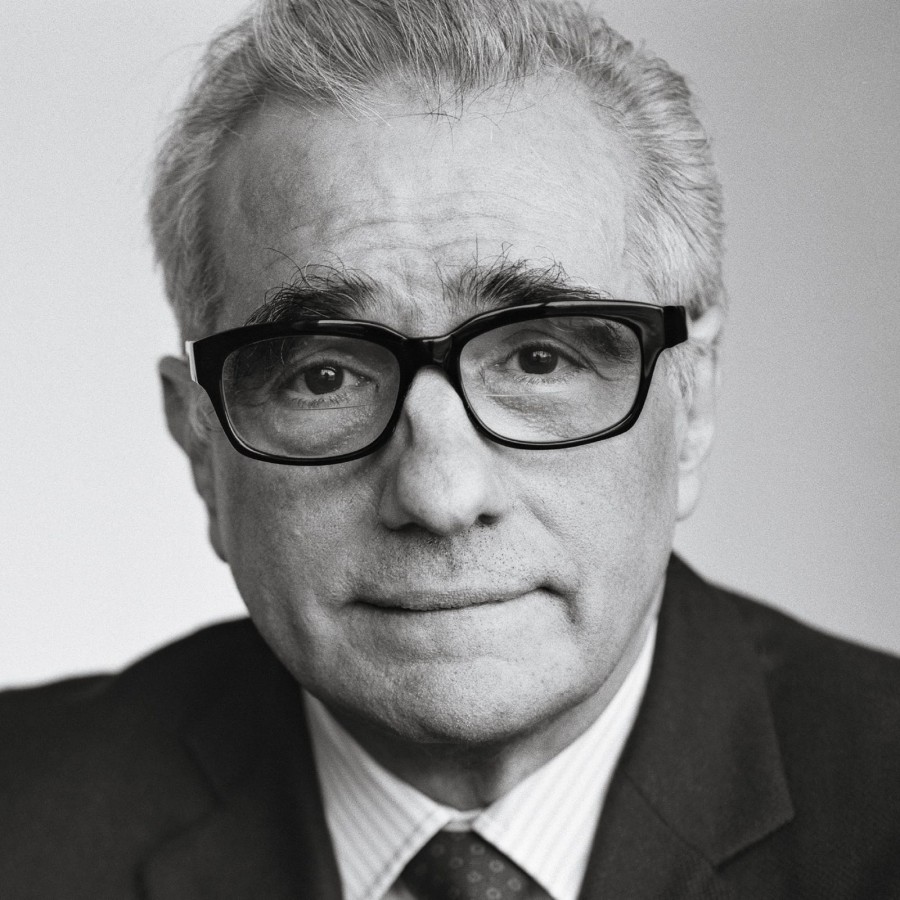
Director photograph and Cléo from 5 to 7 still via the BFI director guide. Original rights remain with the respective image holders.
References and Image Credits
Film titles, dates, plot details and career landmarks were checked against the sources below. The critical readings in this article are interpretations, rather than statements of a filmmaker's intention.
Director photograph and Cléo from 5 to 7 still via the BFI director guide. Original rights remain with the respective image holders.
Have a project behind the idea?
I work on websites, branding and film. If you need help turning your next idea into something people can see and use, tell me what you have in mind.
What did you think?
A thought, a different perspective, a little appreciation. You’re welcome here.