The Dynamic Duo: Rode NTG5 and Zoom F3
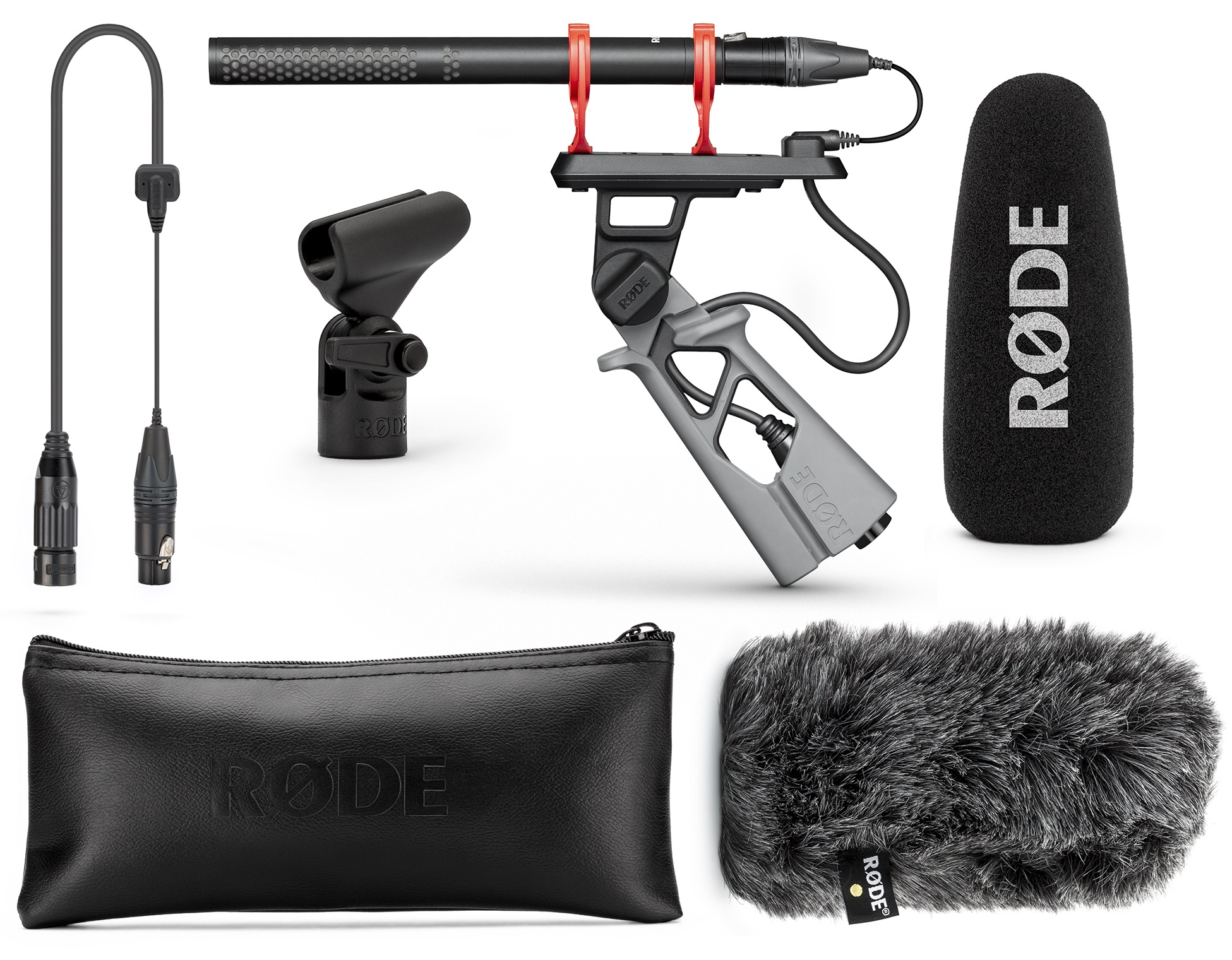
The Rode NTG5 is a professional grade shotgun microphone that is incredibly light, compact, and unusually forgiving in the field. It weighs just 85 grams, about 3 ounces. When you are holding a boom pole for hours, every gram counts. You will barely notice it on the end of your pole.
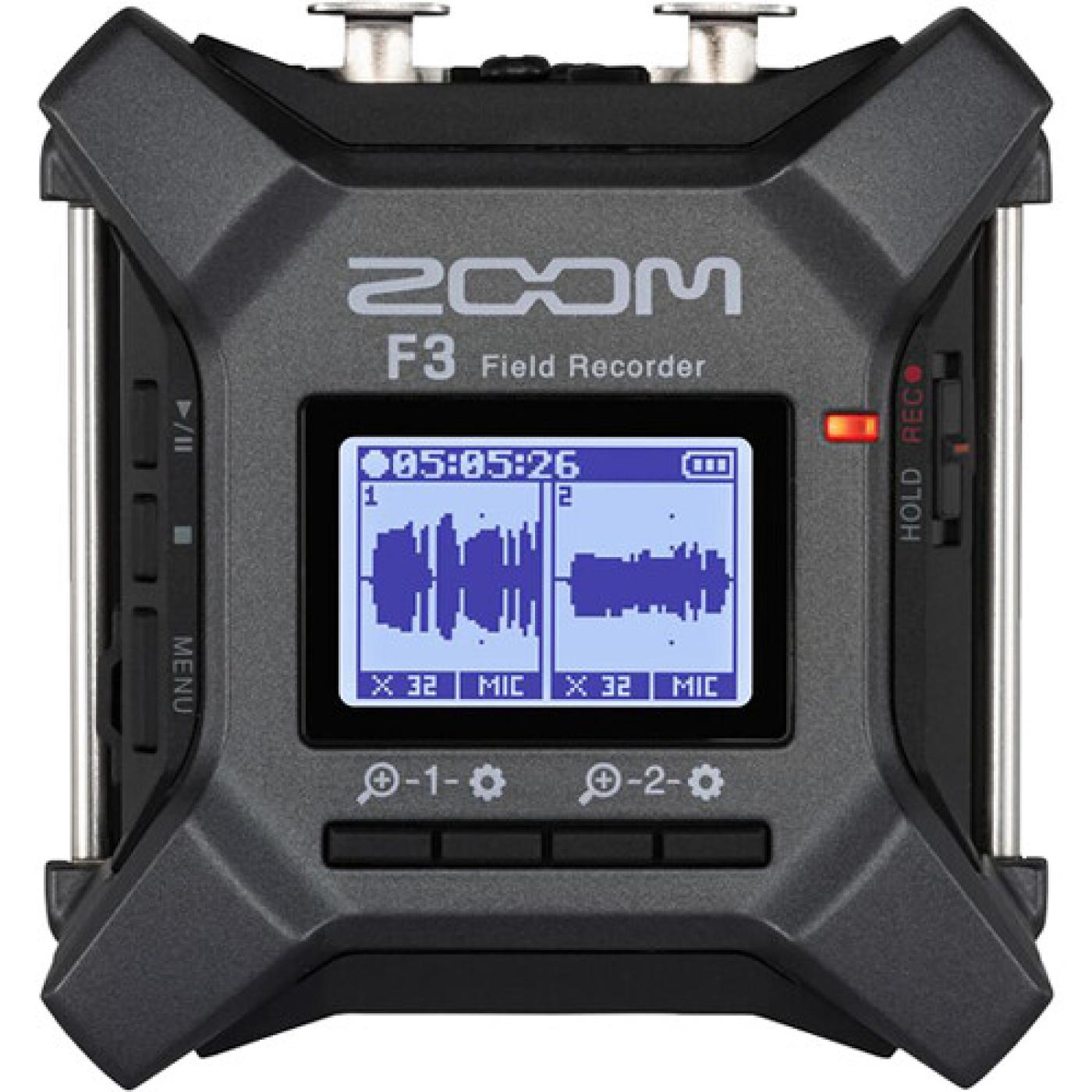
The Zoom F3 is a pocket sized field recorder that is perfect for film sets. It features 32 bit float recording, which means you do not have to set the gain or worry about clipping. This is a genuine game changer. You just plug in, press record, and the F3 captures everything from the quietest whisper to the loudest explosion without distortion.
These two pieces of gear were made for each other. The F3 is small enough to hide anywhere on set, and the NTG5 is light enough to boom for hours without fatigue. It is a combination that professional sound recordists are using more and more.
Breaking Down the Microphones
Let me give you a comparison of the Rode NTG5 against other popular shotgun microphones so you understand exactly what you are getting.
The Rode NTG5 has a sensitivity of 66 millivolts per Pascal, which is quite high. Its self noise is just 10 decibels A weighted, making it one of the quietest microphones in its class. The frequency response goes from 20 Hertz to 20 Kilohertz, capturing the full range of human hearing. The maximum sound pressure level is 130 decibels. The weight is just 85 grams, and the length is about 8 inches. The price is around $630 to $770.
The Sennheiser MKE 600 has a sensitivity of 21 millivolts per Pascal, which is much lower. Its self noise is around 14 decibels. The frequency response starts at 40 Hertz, so it rolls off some low end. The maximum sound pressure level is 132 decibels with phantom power. It is heavier than the NTG5 and longer too. The price is around $300, which is significantly cheaper.
The Sennheiser MKH 416 is the industry standard. It has a sensitivity of 25 millivolts per Pascal. Its self noise is an incredibly low 13 decibels. The frequency response goes from 40 Hertz to 20 Kilohertz. The maximum sound pressure level is 130 decibels. It is heavier than both the NTG5 and the MKE 600. The price is around $840 to $1,000.
Which Microphone Should You Choose?
The Rode NTG5 is the best all around choice for independent filmmakers. It is lightweight, it sounds natural and transparent, and it includes a complete kit with a pistol grip, shock mount, and both foam and furry windshields. The NTG5 captures audio with a neutral, transparent tone, exactly what you want from a professional shotgun microphone. It also features moisture resistant construction for reliable performance in harsh conditions.
The Sennheiser MKE 600 is the budget choice. It is an excellent entry level professional microphone that delivers great sound for the price. However, its lower sensitivity means you will need to boost the gain more on your recorder, which can introduce noise. It also does not include as many accessories in the box. Some reviewers note that you may be disappointed by the MKE 600 compared to the NTG5.
The Sennheiser MKH 416 is the industry standard for a reason, but it is expensive and heavy. It is the microphone you buy when you are working on major productions and need the absolute best. For most independent filmmakers, the NTG5 offers 90 percent of the performance at half the price and half the weight.
Breaking Down the Recorders
The Zoom F3 is a 32 bit float recorder with two XLR inputs and built in preamps. It is tiny, lightweight, and incredibly easy to use. The price is around $330. You just plug in your microphone, press record, and you are done.
The Zoom H5 is an older recorder that records in 24 bit. It has two XLR inputs plus a built in stereo microphone capsule. It is larger and heavier than the F3. The price is around $270. You need to set your gain levels manually, and you risk clipping if the levels are too high.
The Tascam Portacapture X8 is a more advanced recorder that can record in 32 bit float. It has a large touchscreen and four XLR inputs. It is significantly larger and more expensive than the F3. The price is around $400 to $500.
Which Recorder Should You Choose?
The Zoom F3 is the best choice for filmmakers. Its 32 bit float recording means you never have to worry about setting gain levels. This is a massive advantage on a busy film set where sound levels can change instantly. The F3 is also tiny, so you can mount it on your camera rig, hide it in a bag, or clip it to your belt. The preamps are excellent, with an ultra low EIN of 127 decibels, meaning they are virtually silent.
The Zoom H5 is a good budget option if you cannot afford the F3, but you will need to be more careful with your gain staging. The Tascam Portacapture X8 is overkill for most independent filmmakers unless you regularly need to record four microphones at once.
The Complete Kit: Everything Else You Need
You cannot just buy a microphone and recorder and expect to get professional results. You need a few more pieces.
A boom pole is essential. You need to get the microphone as close to the actor as possible without it appearing in the frame. The Rode Boompole Pro is a carbon fibre pole that is lightweight and durable. It extends from about 2.7 feet to 9.8 feet. The price is around $190 to $430. The standard Rode Boompole is an aluminium option that is more affordable.
An XLR cable connects your microphone to your recorder. You need a high quality cable with Neutrik connectors. The Mogami Gold Studio cables are the quietest and best sounding cables you can buy. A 15 to 25 foot cable is usually sufficient for most shoots. The price is around $50 to $80.
Closed back monitoring headphones are non negotiable. You need to hear exactly what the recorder is hearing without sound bleeding out of the headphones and into the microphone. The Beyerdynamic DT 700 Pro X headphones are studio grade and deliver accurate, predictable sound. They are designed specifically for recording and monitoring. The price is around $280.
A bag or harness to carry your recorder is useful, especially on longer shoots. The K-Tek Stingray Action Belt is specifically designed for the Zoom F3 and allows you to wear it comfortably while working.
Where to Buy
Here are the best places to find this gear with current prices.
The Rode NTG5 is available at B&H Photo Video for around $672 for the kit. Sweetwater also carries it. The Zoom F3 is available at Sweetwater for $329.99. B&H Photo Video also stocks it. The Rode Boompole Pro is available at Gear4music for around $194. The Beyerdynamic DT 700 Pro X headphones are available at B&H Photo Video and Sweetwater for around $280. The Mogami Gold Studio XLR cables are available at Reverb and Sweetwater for around $50 to $80.
You can also find bundles that include everything you need. Some retailers offer a complete kit with the Rode NTG5, the Zoom F3, a boom pole, headphones, and XLR cables for around $1,100.
A Word of Caution
There is one issue to be aware of with the Rode NTG5 and Zoom F3 combination. Some users have reported interference and noise issues when powering the NTG5 with 48 volts of phantom power from the F3. The solution, according to user reports, is to set the phantom power on the F3 to 24 volts instead of 48 volts. The NTG5 is rated for 48 volts, but many microphones have a wide tolerance for lower voltages. Users have reported that this solves the problem without any noticeable difference in sound quality.


.png)
More
more
like this
like this
On this blog, I write about what I love: AI, web design, graphic design, SEO, tech, and cinema, with a personal twist.