Satyajit Ray and the Drama inside an Ordinary Life
A person leaves home for work. A child notices something new. Someone listens while someone else speaks. These actions do not sound like the beginning of a great cinematic event.
In Satyajit Ray's films, they can be.
The Bengali filmmaker's work gives ordinary life dramatic weight without asking every moment to announce its importance. That is what interests me. The feeling can arrive before the explanation. A change in a relationship can be visible before anybody has found the words for it.
For me, Ray is a director to study when the temptation is to make a scene louder because we are afraid the audience will miss it. Sometimes the stronger decision is to look more closely.

Growing with Apu
The Apu trilogy comprises Pather Panchali from 1955, Aparajito from 1956 and The World of Apu from 1959. Cinematographer Subrata Mitra and composer Ravi Shankar contributed to the trilogy's visual and musical world.
I think it is important to name collaborators when discussing a director's style. Cinema is made through relationships. The quality of attention in a film belongs to work shared across the set, the performance, the image and the sound.
My reading of the trilogy is that growing up becomes a movement between discovery and separation. The world expands, but expansion has a cost. There are people and places a character cannot carry forward in the same way.
The Work of Becoming Independent
The Big City, released in 1963, follows Arati, played by Madhabi Mukherjee, as she takes a job selling sewing machines. Her decision changes the balance within her family.
What I find compelling in that premise is how directly a social change enters the home. Independence is practical. It affects money, routines and the expectations people have of one another.
In Charulata, released in 1964 and adapted from a novella by Rabindranath Tagore, Mukherjee plays a woman whose intellectual and emotional life develops amid loneliness and a complicated attachment to her husband's cousin.
For me, those two films open different routes into the same question. What happens when a person begins to want a life larger than the one others have arranged for her

Ray Was Capable of Changing the Rhythm
The Adversary from 1970, Company Limited from 1971 and The Middleman from 1975 are commonly grouped as Ray's Calcutta trilogy. The BFI's discussion of these films highlights employment, ambition and corruption, alongside devices including split screens and freeze frames.
That matters because an admiration for Ray's quiet observation can become a limitation if we turn it into a rule about everything he made. A filmmaker can retain an interest in people while changing the form used to approach them.
My takeaway is to let the subject put pressure on the style. The rhythm that works for one life may be wrong for another.
A Final Thought
I would begin with The Big City or Charulata, then make time for the Apu trilogy. Watch the relationships before trying to identify the lesson.
The quality I value in this cinema is patience with complexity. A person can be loving and limited. A decision can bring freedom and friction. A family can change without anybody becoming a simple villain.
That feels close to life. And bringing a film close to life is much harder than merely making it look natural.
Sources and Image Credits
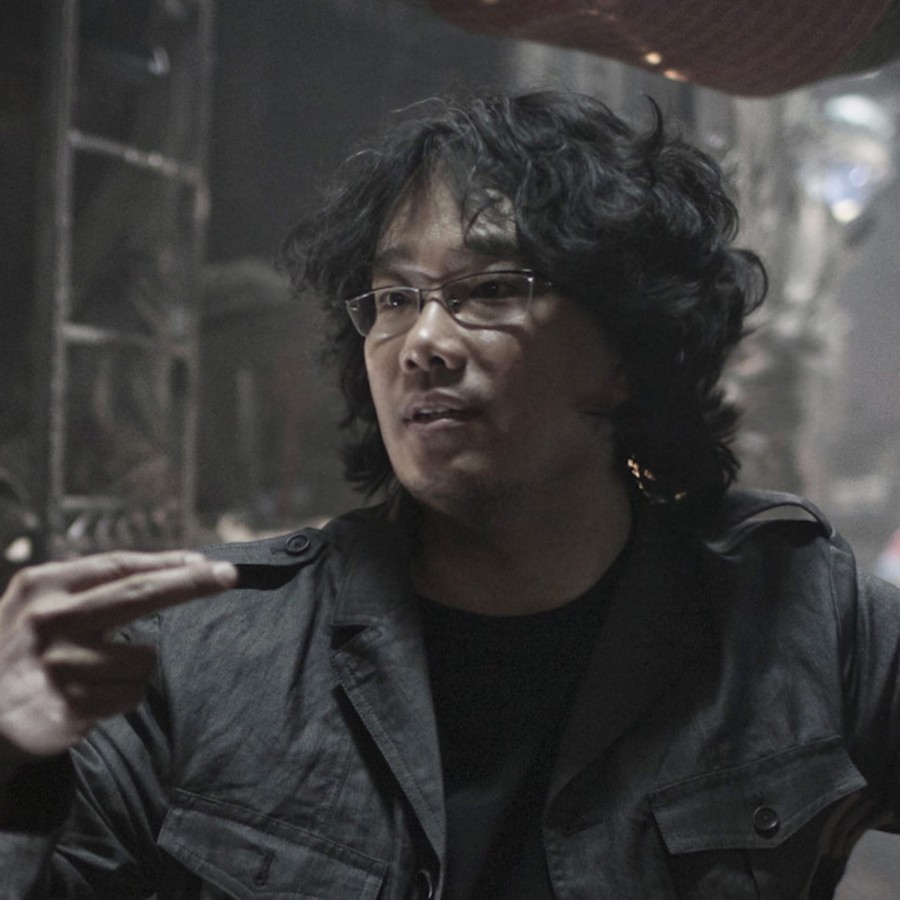
Ray photograph by Nemai Ghosh, credited by BFI to Delhi Art Gallery. Charulata still via BFI. Original image rights remain with their holders.
References and Image Credits
Film titles, dates, plot details and career landmarks were checked against the sources below. The critical readings in this article are interpretations, rather than statements of a filmmaker's intention.
Ray photograph by Nemai Ghosh, credited by BFI to Delhi Art Gallery. Charulata still via BFI. Original image rights remain with their holders.
Have a project behind the idea?
I work on websites, branding and film. If you need help turning your next idea into something people can see and use, tell me what you have in mind.
What did you think?
A thought, a different perspective, a little appreciation. You’re welcome here.