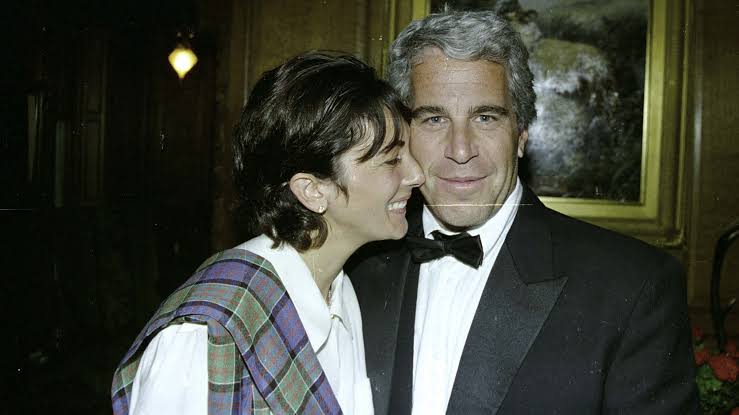
Jeffrey Epstein: The Bear Stearns Years
Jeffrey Epstein’s move from teaching at the Dalton School to working on Wall Street was one of the most consequential turns in his life, and it didn’t follow a typical professional path. In this chapter, we’ll explore how he was hired at Bear Stearns, what he did there, who supported him, how long he stayed, and why he ultimately left, based on documented evidence.
A Remarkable Hiring: No Credentials, Big Opportunity
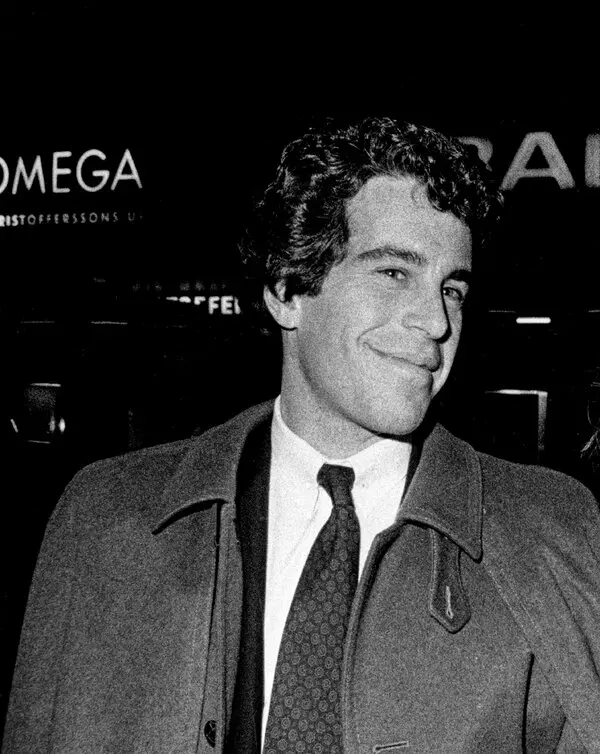
In 1976, at around 23 years old, Jeffrey Epstein was hired by Bear Stearns, a major investment bank in New York’s financial district. This came only about two years after he left Dalton School, where many of the students came from wealthy and influential families.
How He Got In
- Epstein had no college degree, no formal training in finance, and no Wall Street experience when he applied.
- According to reporting, a parent of one of his Dalton students introduced him to Bear Stearns executives, helping him secure a position.
- Bear Stearns was reportedly willing to hire unconventional talent at the time, including people without typical professional credentials.
Despite lacking formal qualifications, the firm saw potential in Epstein — especially in roles involving complex financial products that required mathematical ability.
Role and Responsibilities at Bear Stearns
Epstein started out as a junior assistant to a floor trader on the American Stock Exchange. Over the next few years, he was involved in several areas:
- Options Trading: He became involved in trading options — a sophisticated financial product — in the bank’s Special Products Division.
- Advising Wealthy Clients: Epstein later advised some of Bear Stearns’s wealthiest clients on tax mitigation and complex investment matters.
- Limited Partner: By 1980, just four years after joining, Epstein had become a limited partner at the firm — a major achievement for someone who entered with no traditional credentials.
This rapid rise was unusual. Some colleagues described him as charismatic and persuasive — traits that helped him connect with ultra-wealthy clients even if he lacked formal credentials.
Why He Was Retained (Even After Issues)
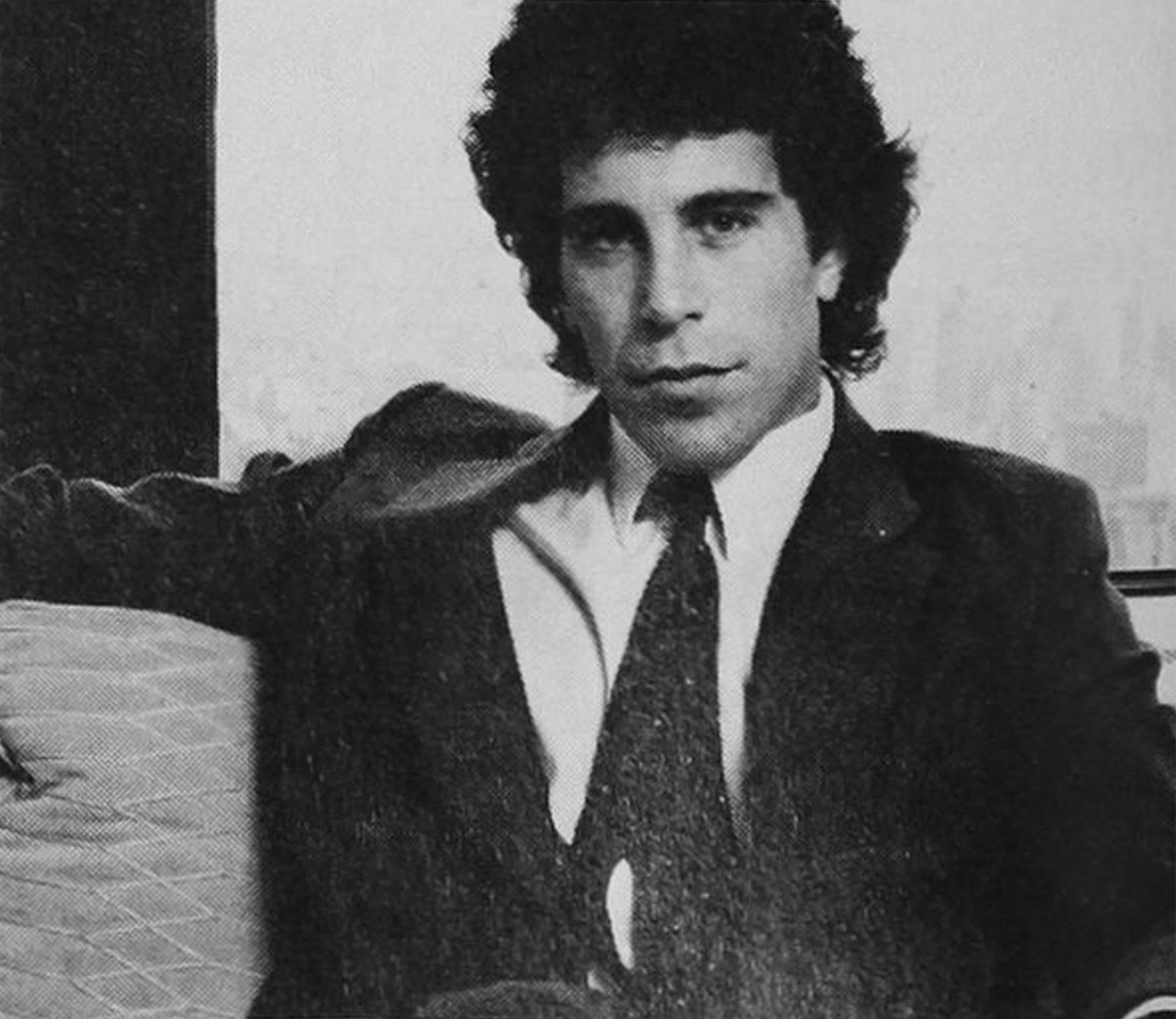
Multiple reports about Epstein’s Bear Stearns tenure highlight that his success was not purely technical:
1. Networking and Relationships
Epstein is widely reported to have developed a close personal rapport with Bear Stearns leadership, especially with senior executives like Alan “Ace” Greenberg and later James (“Jimmy”) Cayne.
- Greenberg’s daughter, Lynne Greenberg, was reportedly dating Epstein at the time — a factor that appears to have helped him remain at the firm even when internal issues arose.
2. Résumé Misstatements and Internal Tolerance
On joining, Epstein falsely claimed academic credentials on his résumé — asserting degrees he had not earned.
When confronted, Epstein admitted the deception, explaining that without impressive credentials, no one would give him a chance. Instead of firing him, Bear Stearns chose to retain him — a decision later attributed in part to his personal connections.
Controversies While at Bear Stearns
Epstein’s tenure at Bear Stearns was not free of internal problems. According to reporting:
- Violations of Internal Compliance Rules: Epstein was found to have lent money to a friend so the friend could buy securities, which violated internal brokerage rules.
- Giving Privileged Opportunities to a Girlfriend: Epstein provided preferred access to IPO shares to a romantic partner — another compliance violation.
Although these issues would normally lead to strong disciplinary action in financial firms, Bear Stearns fined him $2,500 and suspended him for two months rather than firing him outright. Facing discipline, Epstein resigned later — a choice that allowed him to leave on his own terms rather than be publicly ousted.
How Long He Stayed and Why He Left
Tenure
Epstein worked at Bear Stearns from 1976 until March 1981 — a period of roughly five years.
Reason for Leaving
- His departure was linked to internal violations and regulatory issues, including lending practices and preferential treatment that violated trading rules.
- Rather than accept further discipline, Epstein chose to resign, reportedly saying he was offended by the firm’s handling of those matters.
Although he left the firm, Epstein maintained relationships with top executives and continued to be associated with the Bear Stearns network in later years.
Why His Bear Stearns Years Matter
Epstein’s time at Bear Stearns was pivotal for several reasons:
- Legitimacy and Credentials: Just being associated with one of Wall Street’s established firms gave Epstein a credential he could later market to wealthy clients.
- Network Expansion: His relationships with senior executives and wealthy clients formed the basis of his future financial career — including founding his own firm.
- Institutional Lessons: The way Bear Stearns handled his violations, and the personal relationships that helped him weather them, provided Epstein with an understanding of how elite institutions often prioritize relationships over formal rules — a pattern that would echo throughout his professional life.
In Conclusion: The Bear Stearns Chapter
Jeffrey Epstein’s second job — at Bear Stearns — was far more than just “another office.” It was the foundation of his transformation from a teacher into a Wall Street financier. Hired with no formal education or finance background, Epstein leveraged personal introductions, charisma, and relationships to navigate the firm, rise quickly, and earn a limited partnership.
His departure in 1981 didn’t mark an end to his financial relevance — but rather the beginning of a new, even more opaque phase of his career, as he moved into independent financial consulting and wealth management.



More
more
like this
like this
On this blog, I write about what I love: AI, web design, graphic design, SEO, tech, and cinema, with a personal twist.

.png)