Jeffrey Epstein: The first job of a Controversial Figure
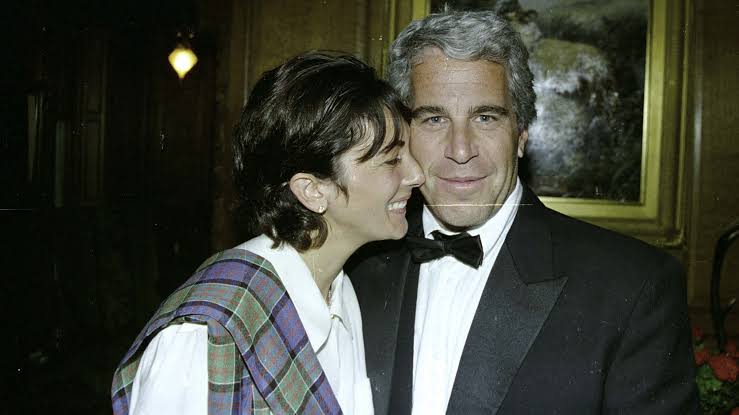
Jeffrey Edward Epstein (January 20, 1953 – August 10, 2019) was an American financier whose later life was marked by criminal convictions for sex offenses and allegations of running a sex-trafficking network. His story, from mathematical prodigy to influential financier and convicted criminal, is complex, controversial, and intertwined with powerful people, institutions and gouverments.
Childhood and Family Background
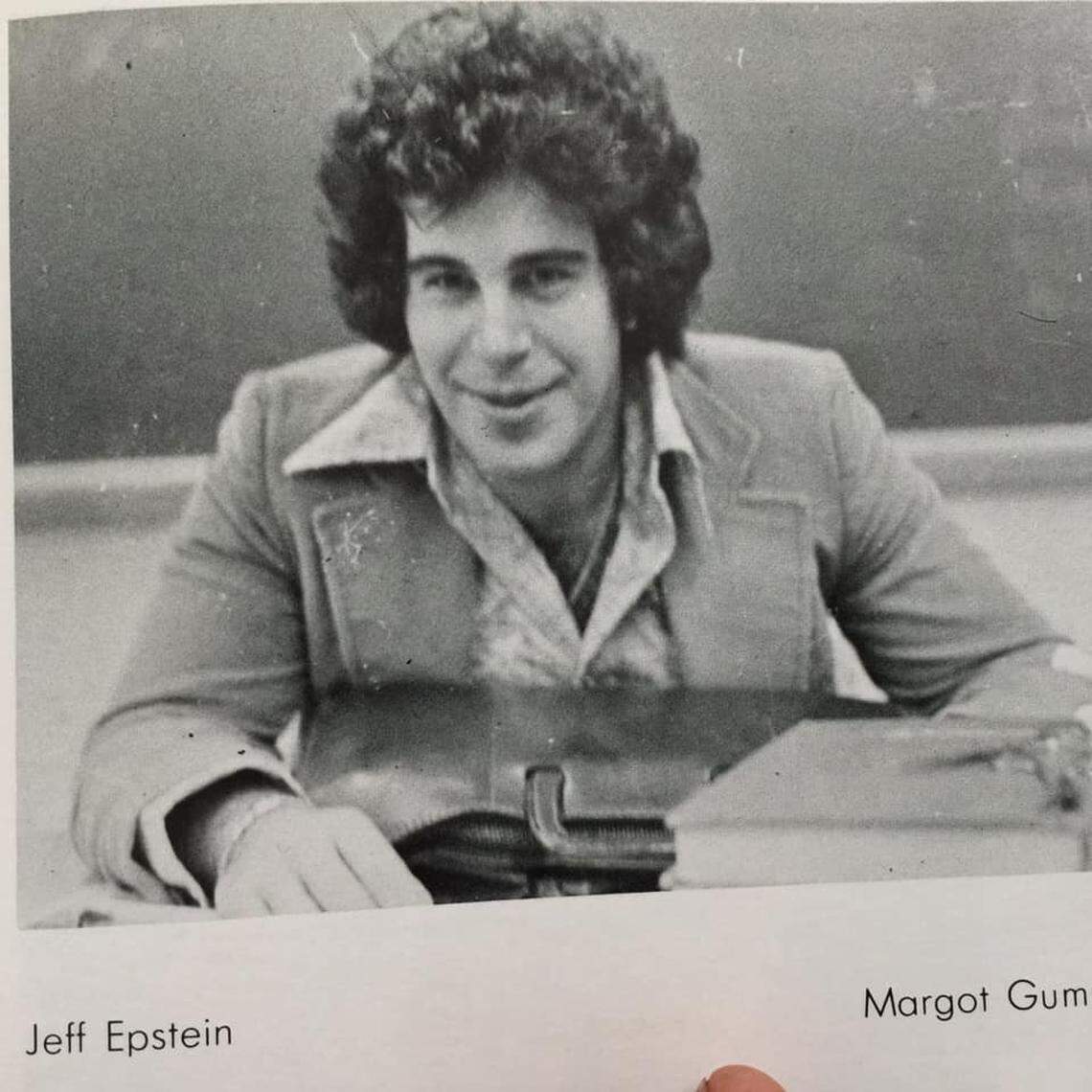
Jeffrey Epstein was born on January 20, 1953, in Brooklyn, New York, the oldest of two sons. His parents, Pauline (née Stolofsky) and Seymour Epstein, were children of Jewish immigrants. His mother worked as a school aide and homemaker; his father worked for the New York City Department of Parks and Recreation as a gardener and groundskeeper. Epstein grew up in the Sea Gate community of Coney Island, a modest, working-class neighborhood.
From an early age, Epstein showed aptitude in mathematics and music. He learned piano as a child and was known to be intellectually gifted. He attended local public schools — including Public School 188, Mark Twain Junior High, and Lafayette High School — and graduated in 1969 at just 16 years old after skipping two grades.
Education: Colleges Without a Degree
After high school, Epstein pursued higher education but never completed a degree:
- 1969–1971: Epstein studied at Cooper Union for the Advancement of Science and Art in New York.
- 1971 onwards: He transferred to the Courant Institute of Mathematical Sciences at New York University (NYU), where he studied mathematics.
- He left NYU in the mid-1970s without earning a degree.
This unfinished academic path would later play into questions surrounding his credibility and early résumé.
How Epstein Landed the Job Without Qualifications
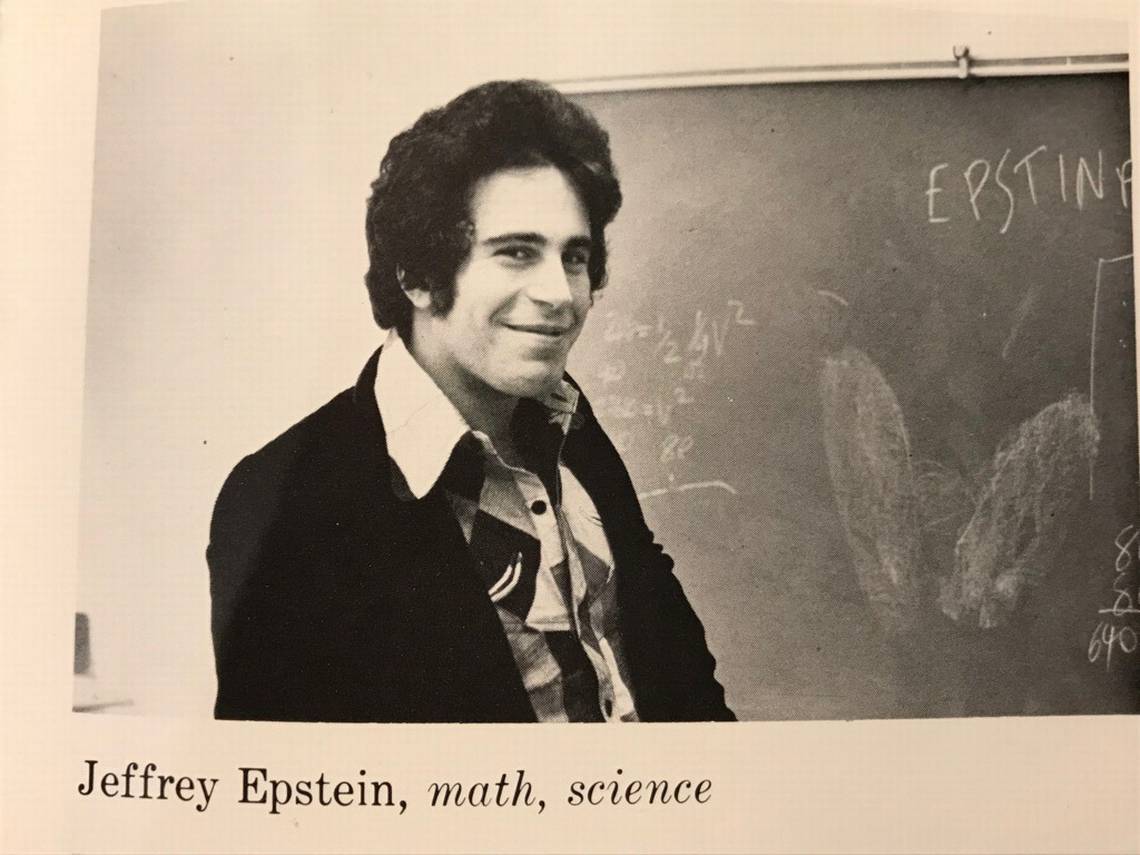
Epstein began teaching physics and mathematics at Dalton in September 1974 at age 21—despite not holding a college degree or formal teaching credentials. He had attended Cooper Union and later the Courant Institute at NYU but left without graduating.
At the time, Donald Barr (later U.S. Attorney General William Barr’s father) had just stepped down as Dalton’s headmaster after a long tenure and was known for making “unconventional hires” that didn’t always require typical credentials. Educators at the school later confirmed that Dalton sometimes hired young people without formal teacher licenses who were seen as interesting or intellectually capable.
Student Accounts of Epstein’s Behavior at Dalton
Multiple former Dalton students later spoke publicly about their memories of Epstein. These accounts don’t rise to the level of verified legal findings, but they are documented recollections reported by major outlets:
Reported Behavior and Impressions
- Persistent attention on female students: Several former students later described Epstein as someone who would give attention to teenage girls in hallways or classrooms, something that struck them as unusual even then.
- Presence at a party with underage drinking: One former student specifically recalled Epstein showing up at a party where students were drinking, reinforcing impressions that he didn’t always maintain typical professional boundaries.
- Reports described him as charismatic, flamboyantly dressed (with fur coats and gold chains), and someone who didn’t fit the typical profile of an academic teacher—but who nonetheless made an impression.
Allegations and Limitations of the Record
- What is not part of the documented media record from that period is any publicly verified finding that Epstein sexually assaulted students at Dalton. Former students reported behavior that made them uncomfortable or that was boundary-pushing, but there are no credible court filings from the 1970s accusing him of sexual assault at Dalton in that timeframe in publicly available, major news sources.
- Some public assertions (especially on social media or forums) make various claims about sexual misconduct at Dalton in the 1970s, but those are not verifiable by reputable historical reporting and are not part of the documented mainstream record. Therefore, they should not be presented as established fact in a journalistic or historical blog post.

From Classroom to Wall Street
By the time Epstein left Dalton, he had achieved something remarkable: he had crossed a social and economic boundary that rarely opens so easily. A 21-year-old college dropout from Brooklyn had embedded himself in one of Manhattan’s most exclusive private schools and leveraged that position into an entry point on Wall Street.
The classroom was merely the beginning.
In the next Blog, we will examine Epstein’s second job at Bear Stearns:
how he was hired, what role he actually played, who protected and promoted him, and how his Wall Street career laid the foundation for the wealth, secrecy, and global connections that would later define, and ultimately destroy him.


More
more
like this
like this
On this blog, I write about what I love: AI, web design, graphic design, SEO, tech, and cinema, with a personal twist.

.png)