Focal Length and Perspective Are Different Decisions
When a face looks different after a lens change, ask another question: did the camera move as well
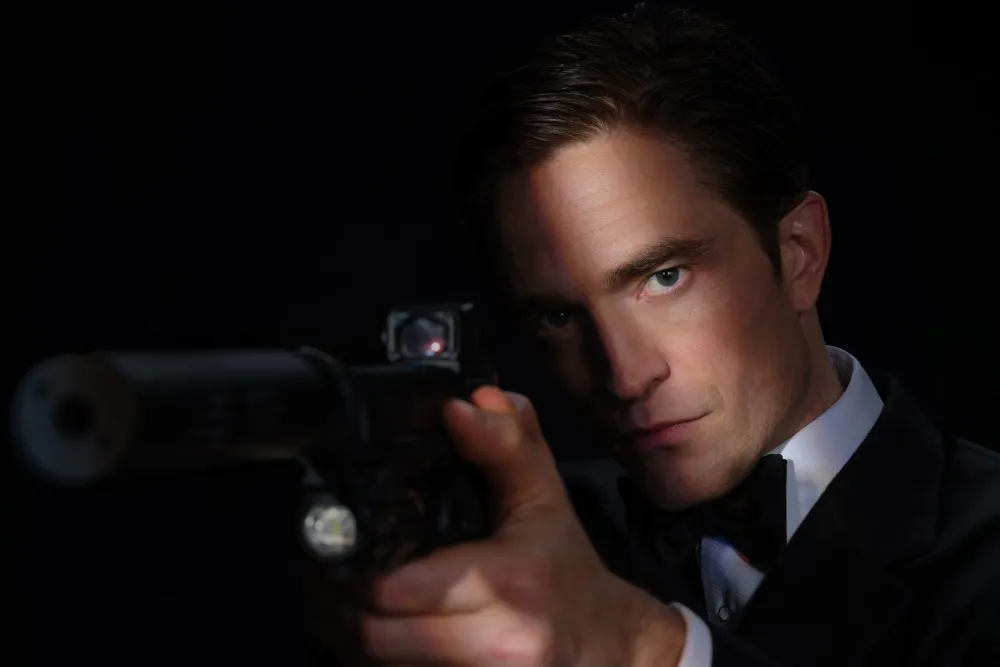
Focal length and camera position are related decisions, but they do different jobs. Nikon's explanation of focal length connects it with angle of view and magnification. For a given sensor format, a shorter focal length includes a wider view; a longer one includes a narrower view.
Perspective concerns the relative appearance of objects at different distances. Changing the viewpoint changes those relationships. It is easy to attribute that change entirely to a lens when you also stepped back to keep someone's face the same size.
Make one comparison at a time
Put a person in front of a doorway. Keep the camera in one position and record a wide view and a tighter view using different focal lengths.
You have changed the framing. You have not moved your viewpoint. Examine the same central part of both images, allowing for the lenses' optical distortion and other differences. The doorway's relationship to the person is not transformed simply because the frame contains less of the room.

Now move to match the framing
For a second exercise, use a wider lens close to the person. Then use a longer lens from farther away, keeping the head approximately the same size in frame.
This time the camera position changes. Compare the relative size of the doorway and the face. Also notice the practical difference: a camera close to a performer creates a different working distance from one across the room.
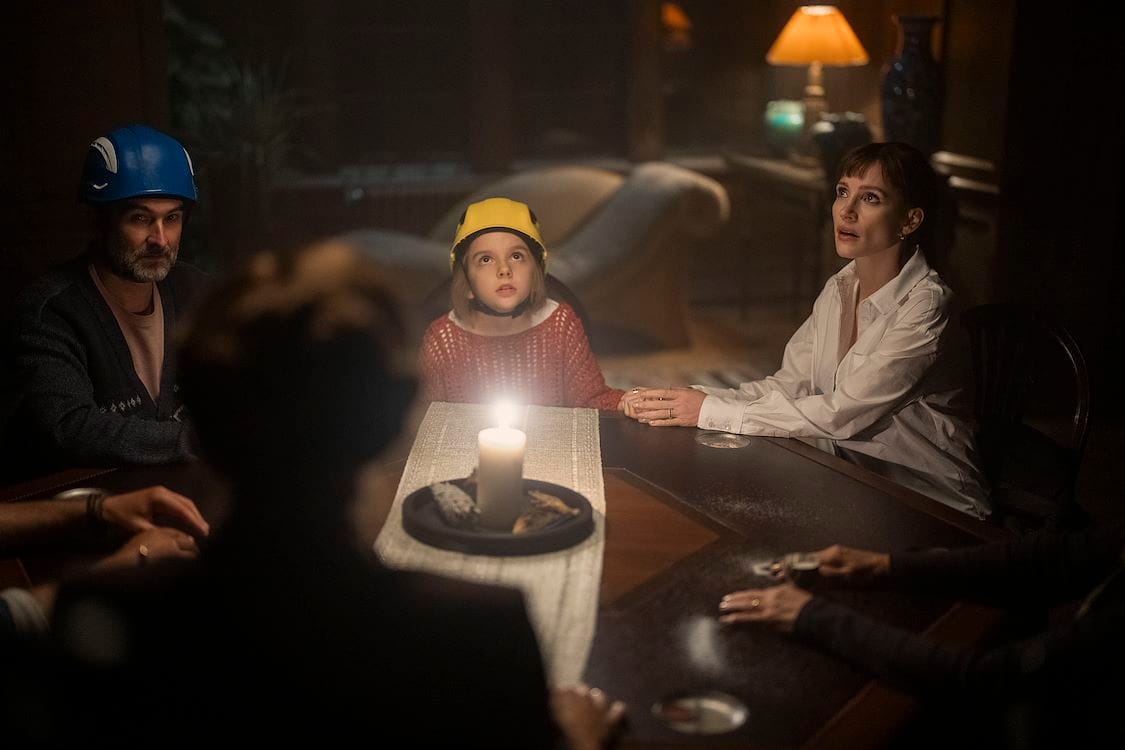
Neither arrangement automatically produces intimacy or emotional distance. Those are creative interpretations shaped by performance, blocking, sound and context. A wide view can feel lonely. A tight view can feel formal.
Sensor size matters when comparing equipment. The same focal length can produce different angles of view on different recording formats. Check the active sensor area and any crop in your selected recording mode.
A lens list that ignores recording format can send you to a location with the wrong expectations. Test the actual camera mode you intend to use, not merely the number engraved on the lens.

Choose for the space and the story
Before renting, draw where the camera could physically stand. Include walls, furniture and the route the actor needs. A longer lens may require a distance your room cannot provide.
Consider minimum focus distance, close focus performance, flare, aperture, focus control and whether the lens covers the selected recording area. A prime gives you one focal length. A zoom lets you vary it, with handling and optical compromises that depend on the model.
ARRI's frame line and lens illumination tool is useful for checking specified camera formats and coverage. It does not replace a test of how a lens behaves in your scene.
My practical order is viewpoint first, required frame second, available lens third. I can reverse that order for a deliberate constraint, but I want to know what I am changing.
Write down the distance and the recording format alongside the focal length in your test notes. That makes your comparison reproducible. “The longer lens looked better” is less useful than knowing where it stood and what the frame needed to show.
Sources and further reading
Research checked on October 5, 2026. Original explanatory illustrations by Sami Haraketi, prepared for this article.
Sources and further reading
Research checked on October 5, 2026. Original explanatory illustrations by Sami Haraketi, prepared for this article.
Have a project behind the idea?
I work on websites, branding and film. If you need help turning your next idea into something people can see and use, tell me what you have in mind.
What did you think?
A thought, a different perspective, a little appreciation. You’re welcome here.