Edgar Wright’s Top Ten Plus One: Eleven Films He Keeps Returning To
Edgar Wright’s Criterion list comes with its own correction: it is a top ten, plus one. That extra place matters because it is not a joke. It is the film he still cannot quite solve.
Wright’s selections bring together formal thrillers, strange comedy, horror and music. His notes are full of useful specifics: a memory of trying to identify a film, an old workplace beside a movie location, an editing decision that keeps pulling him back.
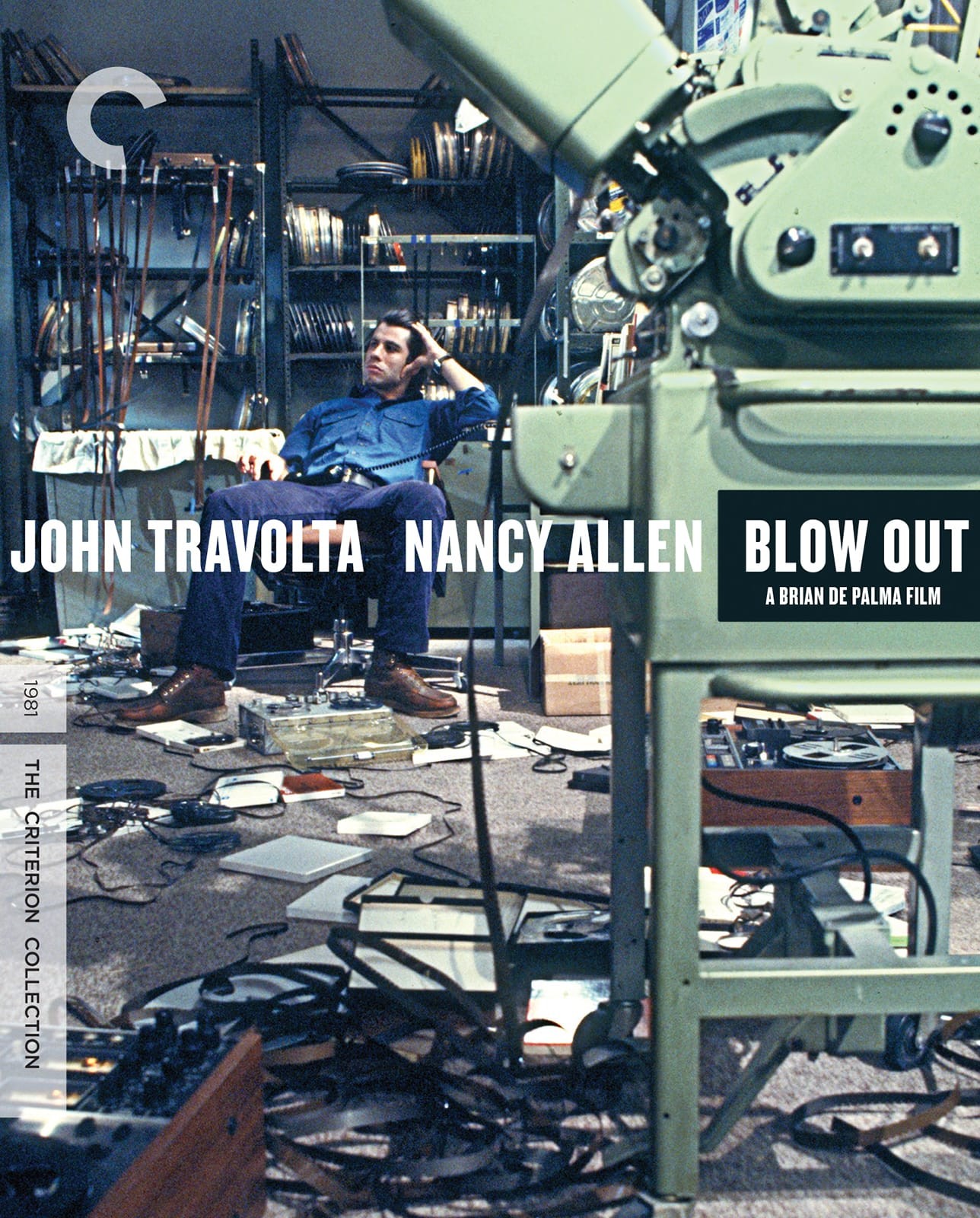
1. Blow Out (Brian De Palma, 1981)
A sound recordist captures evidence of a car accident and begins to suspect that what he heard points to a political crime. De Palma turns microphones, cuts and split screens into parts of a suspense machine. Wright praises the precision with which every frame directs our attention.
2. Brazil (Terry Gilliam, 1985)
A clerk in a vast bureaucracy tries to correct an administrative error and becomes entangled in a system that is both absurd and dangerous. Gilliam’s images turn office life into dystopian spectacle, a quality that speaks directly to Wright’s love of expressive visual storytelling.
3. The Discreet Charm of the Bourgeoisie (Luis Buñuel, 1972)
Six well-off friends repeatedly try to sit down to dinner, only for dreams, interruptions and surreal events to derail the meal. Wright describes it as a welcoming starting point for Buñuel: a film with a prankster’s humour and an unsettling intelligence.
4. Eyes Without a Face (Georges Franju, 1960)
A surgeon abducts young women in an attempt to restore his daughter’s disfigured face. Wright recalls his father’s description of a terrifying French horror film and the long search to identify it. The eventual discovery turned a family story into a shared cinematic memory.
5. Head (Bob Rafelson, 1968)
The Monkees dismantle the clean television image that made them famous in a surreal musical film written with Jack Nicholson. Wright sees a work about performers wanting out of the role assigned to them, full of pop songs, strange images and comic unease.
6. Peeping Tom (Michael Powell, 1960)
A camera operator secretly films women as he murders them, turning the act of looking into the film’s disturbing subject. Wright found the London streets around his workplace linked to the movie’s locations; that overlap made the fictional world feel uncomfortably near.
7. Rushmore (Wes Anderson, 1998)
Ambitious schoolboy Max Fischer pursues a teacher’s attention and a complicated friendship with a wealthy industrialist. Wright connects the film’s handmade presentation to its lead character’s personality, then notes the influence it has had on later comedy and pop culture.
8. Le samouraï (Jean-Pierre Melville, 1967)
A disciplined hit man in Paris navigates a police investigation while adhering to his own austere code. Wright returns to the film for what it leaves unsaid: a bare apartment, a canary, a hat and a face can carry an entire mythology.
9. This Is Spinal Tap (Rob Reiner, 1984)
A documentary crew follows a fictional heavy-metal band through tours, misunderstandings and increasingly ridiculous setbacks. Wright describes it as one of the defining comedy texts for British writers and performers of his generation.
10. Walkabout (Nicolas Roeg, 1971)
Two children are stranded in the Australian outback and encounter an Aboriginal boy on a traditional journey. Roeg’s editing and image pairings shape the story like a visual poem. Wright singles out its opening as a miniature statement of the film’s whole language.
11. Two-Lane Blacktop (Monte Hellman, 1971)
Two young men drive across the United States in a stripped-down road movie built around cars, silence and a race. Wright admits that the film remains a puzzle despite repeated viewings. The bonus selection is less a final answer than a record of continued curiosity.
Why the extra place matters
Wright’s list is not a clean ranking of finished opinions. It includes films that amaze him, films that shaped his sense of comedy and one that keeps resisting explanation.
There is something reassuring in that last choice. Loving a film does not require that we have solved it. Sometimes the reason to keep watching is precisely that we have not.
Sources and further reading
- The Criterion Collection: Edgar Wright’s Top 10
- List artwork, The Criterion Collection
- Film image, The Criterion Collection
Selection and film details checked against the cited Criterion Collection source on October 5, 2026. Film artwork remains the property of its respective rights holder.
Have a project behind the idea?
I work on websites, branding and film. If you need help turning your next idea into something people can see and use, tell me what you have in mind.
What did you think?
A thought, a different perspective, a little appreciation. You’re welcome here.