The Voice of Hind Rajab
Some films do more than tell a story they bear witness. The Voice of Hind Rajab is one of those rare works. It is not simply a documentary or dramatized retelling; it is an act of remembrance, a cinematic memorial to a child whose voice the world briefly heard and then lost. Watching it is not passive. It is emotional, human, and deeply confronting. I cried so much watching it, and judging from the audience reactions worldwide, I am far from alone.
The Story at Its Heart
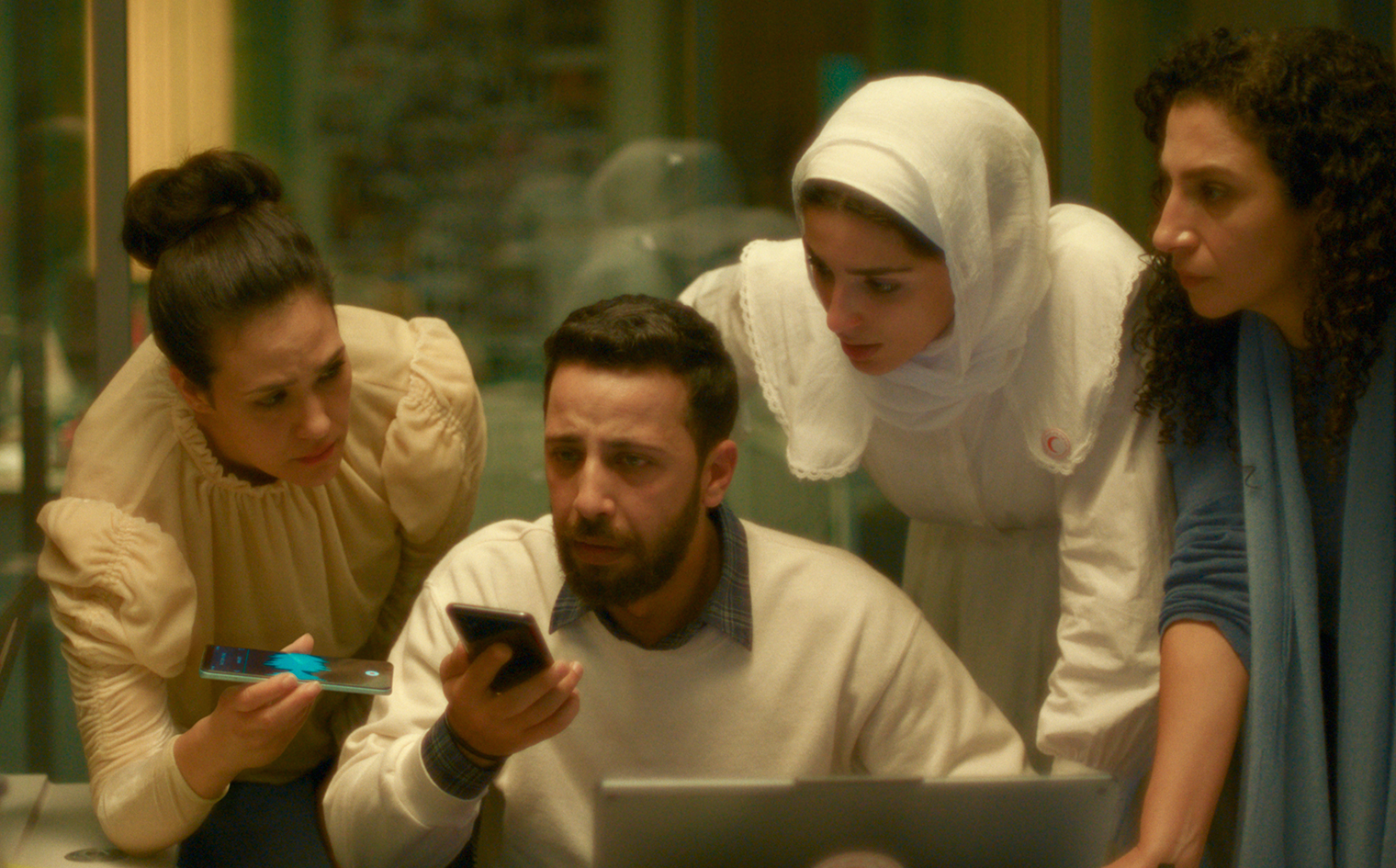
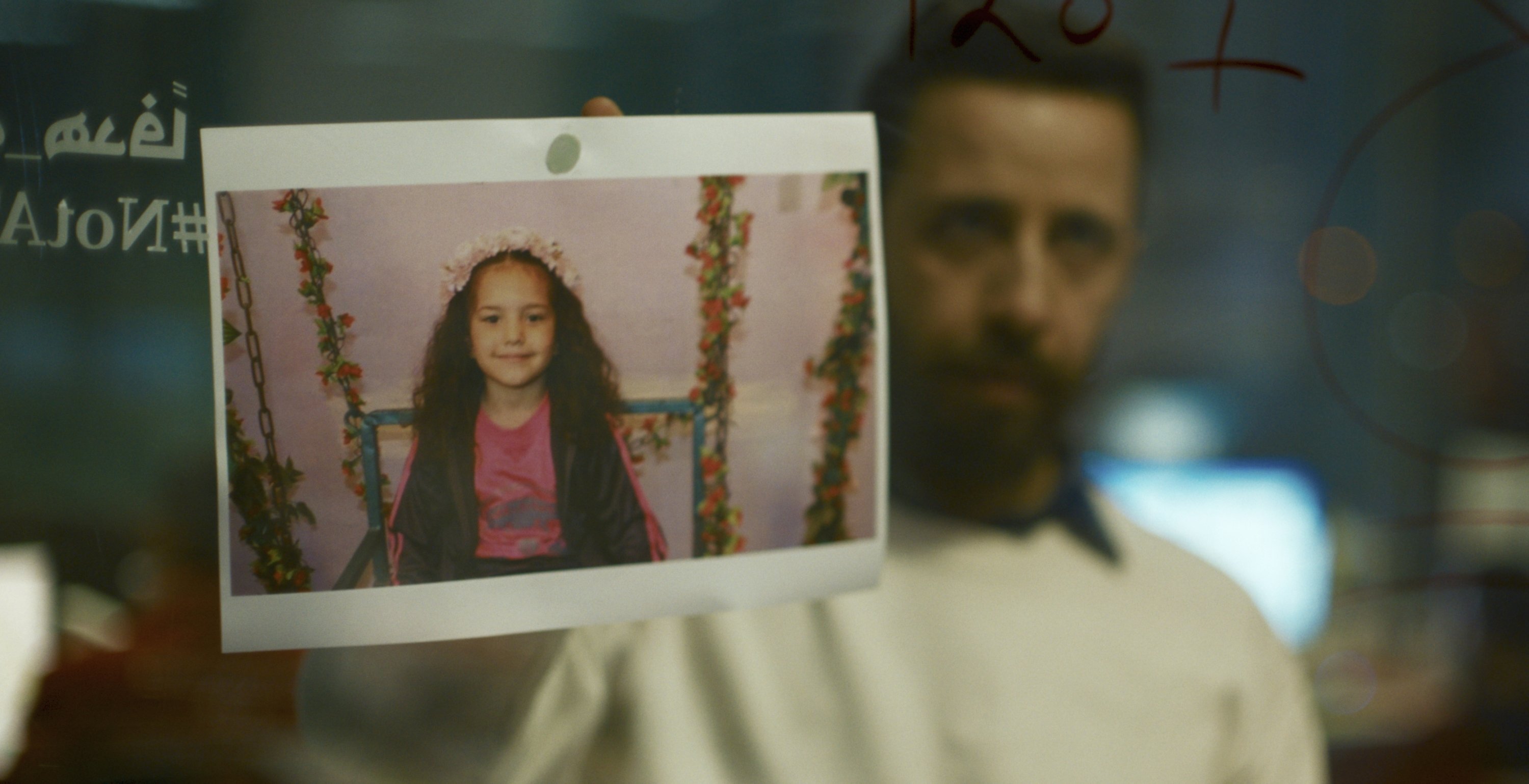
The film recounts the real-life killing of Hind Rajab, a young Palestinian girl trapped in a car in Gaza during Israeli military operations. Her desperate phone calls to emergency services and her pleas for help were recorded and circulated internationally. The story already shook many people when it unfolded in real time, but the film gives those moments space, context, and humanity.
Through careful reconstruction, audio, testimony, and restrained storytelling, the film shows how Hind and the rescue team from the Palestinian Red Crescent Society attempted to reach safety. According to investigations cited within the film and by humanitarian organizations, clearance or coordination signals were reportedly communicated, yet the ambulance sent to rescue her was later found destroyed, with its crew killed.
The film does not sensationalize this. Instead, it presents what journalists, aid groups, and witnesses reported, including the heavy gunfire that struck the vehicle. Rather than focusing only on numbers or military detail, it centers the human cost a child waiting, hoping, and trusting that help was coming.
Truth Through Cinema
One of the film’s greatest strengths is its refusal to turn Hind into a symbol before showing her as a person. We hear her voice. We see her family. We understand the ordinary life interrupted by war. By grounding the narrative in testimony, phone recordings, and documented timelines, the film builds a sense of truth not through rhetoric but through lived reality.
It also situates the story within the broader conflict between Israel and Gaza, referencing the role of the Israel Defense Forces and the conditions inside Gaza Strip at the time. Yet the film’s focus remains intimate rather than geopolitical. It asks viewers not just to analyze events, but to feel their weight.
A Film That Moves People
What makes The Voice of Hind Rajab so powerful is the emotional honesty it provokes. Audience members often leave screenings in tears. It’s not manipulation it’s empathy. The film understands that statistics rarely change hearts, but stories do.
Its pacing allows silence where silence is needed. Its sound design emphasizes Hind’s voice rather than explosions. And its cinematography avoids spectacle, choosing closeness instead. These choices make the experience deeply personal.
Watching it, you don’t feel like you are learning about history. You feel like you are sitting with it.
Why It Matters
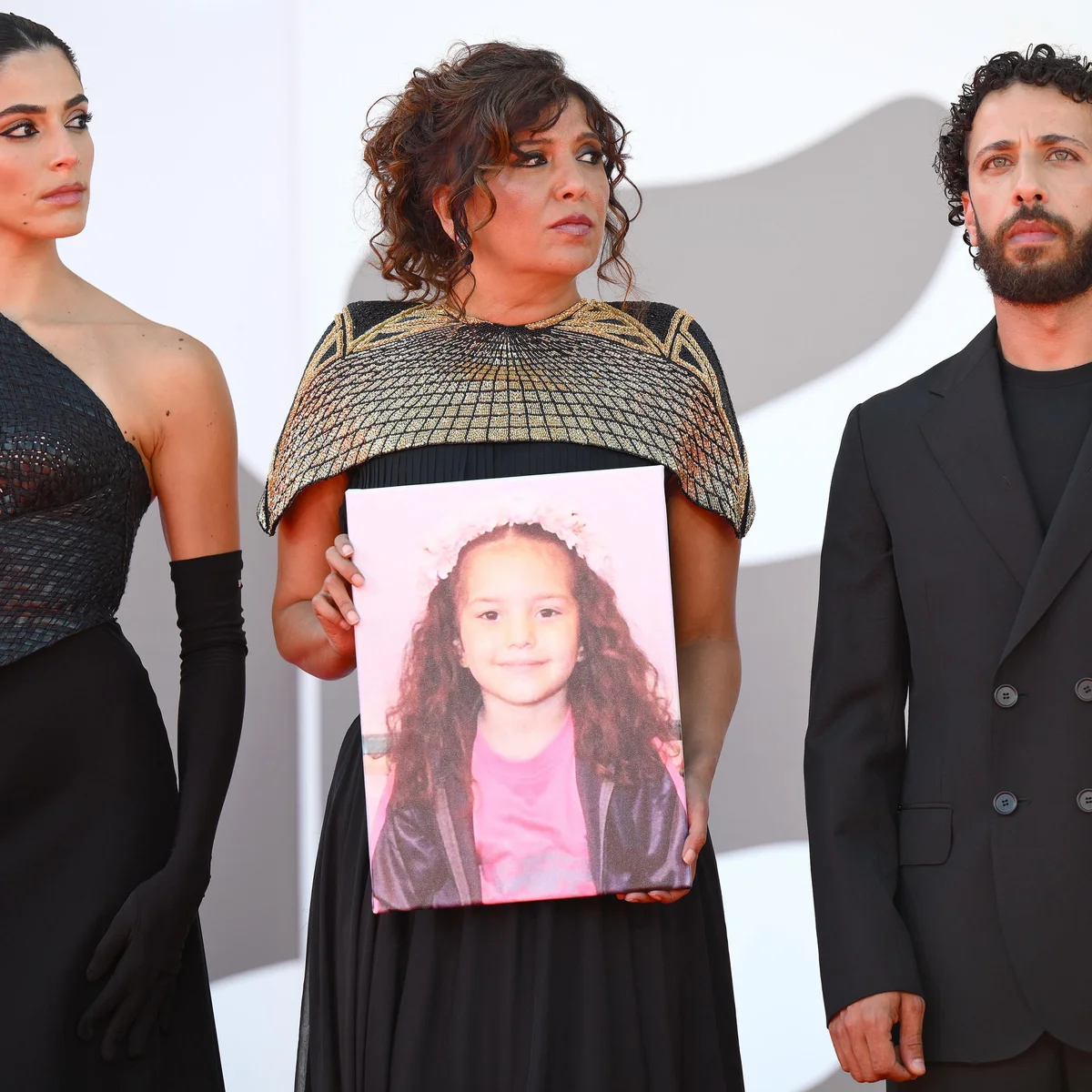
This film reminds viewers that wars are remembered not only through battles and diplomacy but through individual lives. Hind’s story forces audiences to confront the human consequences of conflict and the fragility of promises of safety during war.
The message many viewers take from the film is simple but profound: a child asked for help, and the world heard her too late.
It is no surprise that the film has resonated strongly with audiences sympathetic to Palestinian suffering. Many leave screenings repeating the same words, not as a slogan but as a plea born from grief and solidarity: Free Palestine.
Final Thoughts
The Voice of Hind Rajab is a devastating, beautiful, and necessary film. It honors a child’s voice without exploiting it. It documents events without losing compassion. And it reminds us that cinema can still be a tool for witnessing truth and holding memory.
Some films entertain. Some inform. This one mourns — and makes sure we do too.


.png)
More
more
like this
like this
On this blog, I write about what I love: AI, web design, graphic design, SEO, tech, and cinema, with a personal twist.