Israel Film Boycott Signed by Joaquin Phoenix, Emma Stone
In a world where silence is often the safest choice, thousands of filmmakers have chosen to speak — not through their cameras, but through refusal.
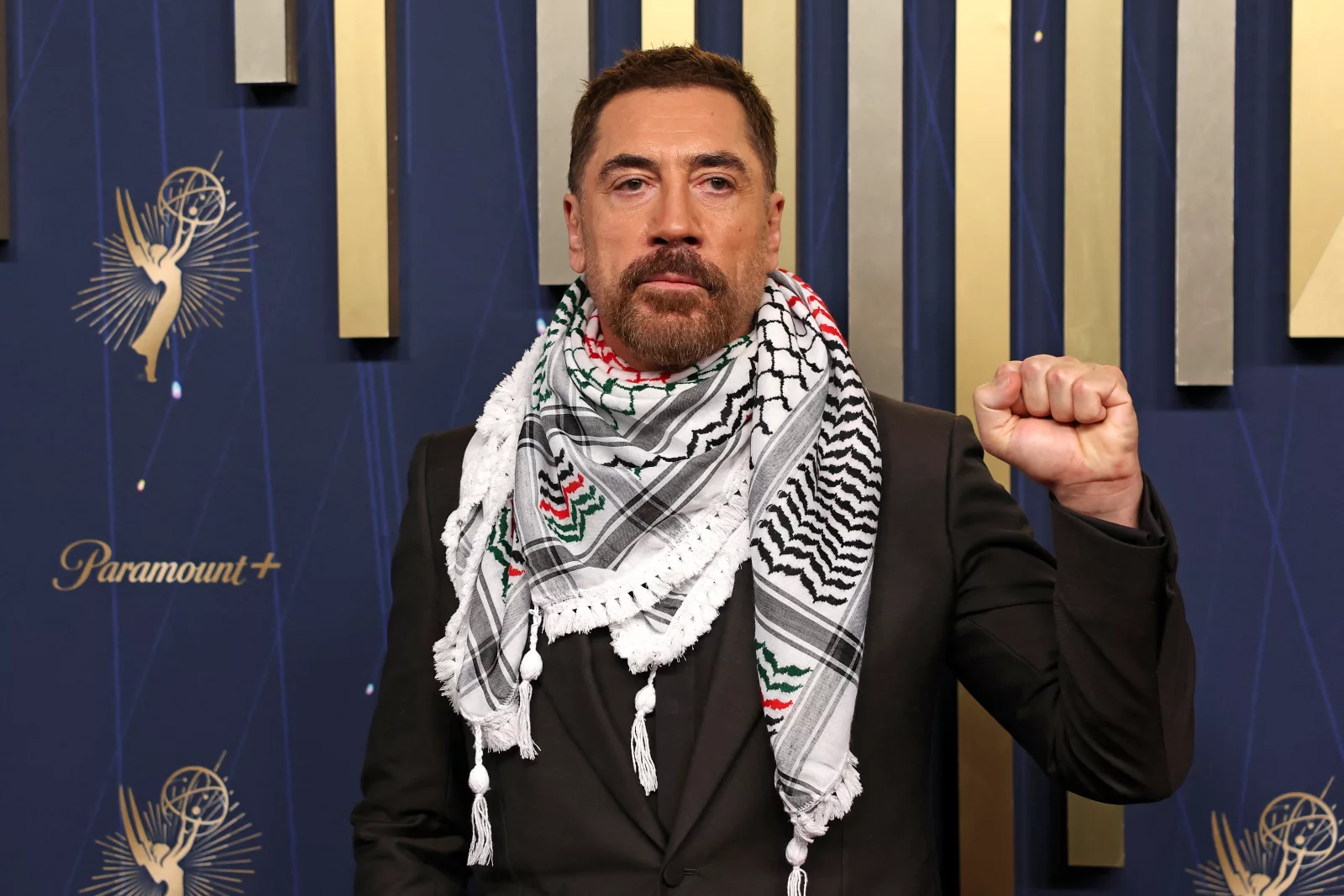
Earlier this year, Film Workers for Palestine, a collective of artists and crew from across the world, released a public pledge: they would not collaborate with Israeli film institutions they believe are complicit in the ongoing devastation in Gaza. The statement was clear and unapologetic — an act of moral witness by those who build the world’s stories.
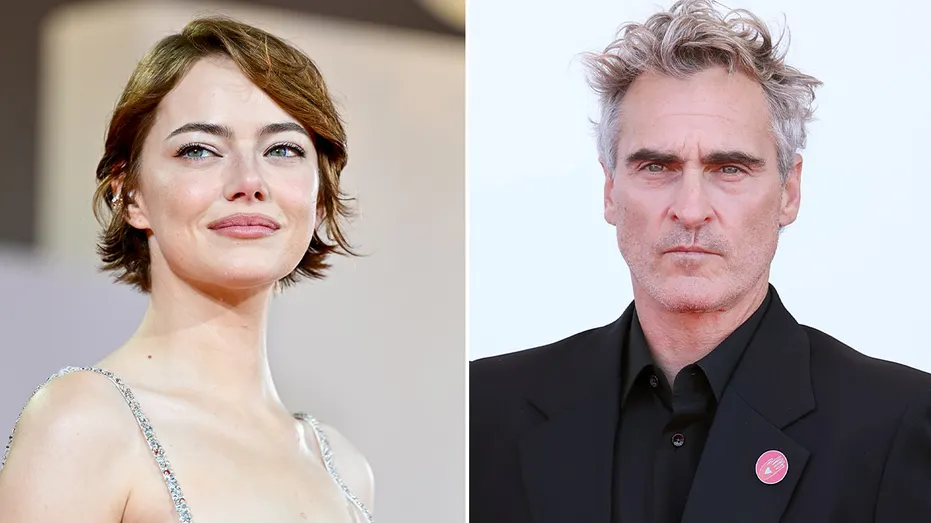
The list of names was striking. Emma Stone, Olivia Colman, Joaquin Phoenix, Mark Ruffalo, Ava DuVernay, Yorgos Lanthimos, Tilda Swinton, and hundreds more — from A-list actors to independent documentarians — signed together. They called for accountability, for art that refuses to separate ethics from creativity.
Their decision came amid reports from Gaza of widespread civilian casualties, destroyed neighborhoods, and UN agencies warning of humanitarian collapse. For many of these artists, remaining silent while Palestinian children died under bombardment was unthinkable. Speaking through art was no longer enough — they chose to act through absence.
“Cinema can’t pretend neutrality in the face of suffering,” one filmmaker said in a statement. “To tell stories of humanity, you must defend it.”
For some, the boycott echoed the historic cultural stand against apartheid South Africa — a nonviolent refusal to normalize or fund institutions tied to oppression. Others saw it as a plea for empathy, a way to remind an industry obsessed with visibility that who we choose to work with is also a message.
The backlash was immediate. Studios and media outlets warned of legal risks. U.K. Lawyers for Israel sent letters to Netflix, the BBC, Film4, and others, arguing that participation in the boycott could breach equality law. Insurers and funding bodies were cautioned that involvement might pose financial or compliance risks.
But through the noise, the artists’ reasoning remained rooted in conscience. The pledge’s organizers clarified that their action does not target individuals — not Jewish or Israeli people, but institutions linked to state policy. Their goal, they said, was to withdraw legitimacy from systems complicit in harm, not from human beings.
That distinction matters. It’s what keeps this act in the tradition of moral protest, rather than exclusion.
Even among critics, few deny the emotional weight behind the choice. To risk careers, endorsements, and reputations in an industry that prizes image over conviction is not an easy thing. Yet, in that risk lies the very essence of art: courage — the kind that insists the human story is more important than any screen.
This movement doesn’t erase anyone’s pain; it asks the world to look directly at it. Whether one agrees with the method or not, the gesture reminds us of what art is meant to do — to hold a mirror to power, and to insist that empathy is not optional.
When history looks back at this moment, it may not remember every headline or legal letter. It may, however, remember that at a time of unbearable loss, artists chose not comfort, but conscience.

Sources
- Film Workers for Palestine — official pledge and statement
- The Guardian: “Actors and directors pledge not to work with Israeli film groups ‘implicated in genocide’” (2025)
- Al Jazeera: “Hundreds of artists pledge boycott of Israeli film institutions over Gaza” (2025)
- Variety: “Netflix, BBC and others sent legal letter over Israel film boycott” (2025)
- Deadline: “Paramount condemns Israeli film boycott” (2025)
- Creative Community for Peace: “Entertainment leaders respond to boycott letter” (2025)


More
more
like this
like this
On this blog, I write about what I love: AI, web design, graphic design, SEO, tech, and cinema, with a personal twist.

.png)